


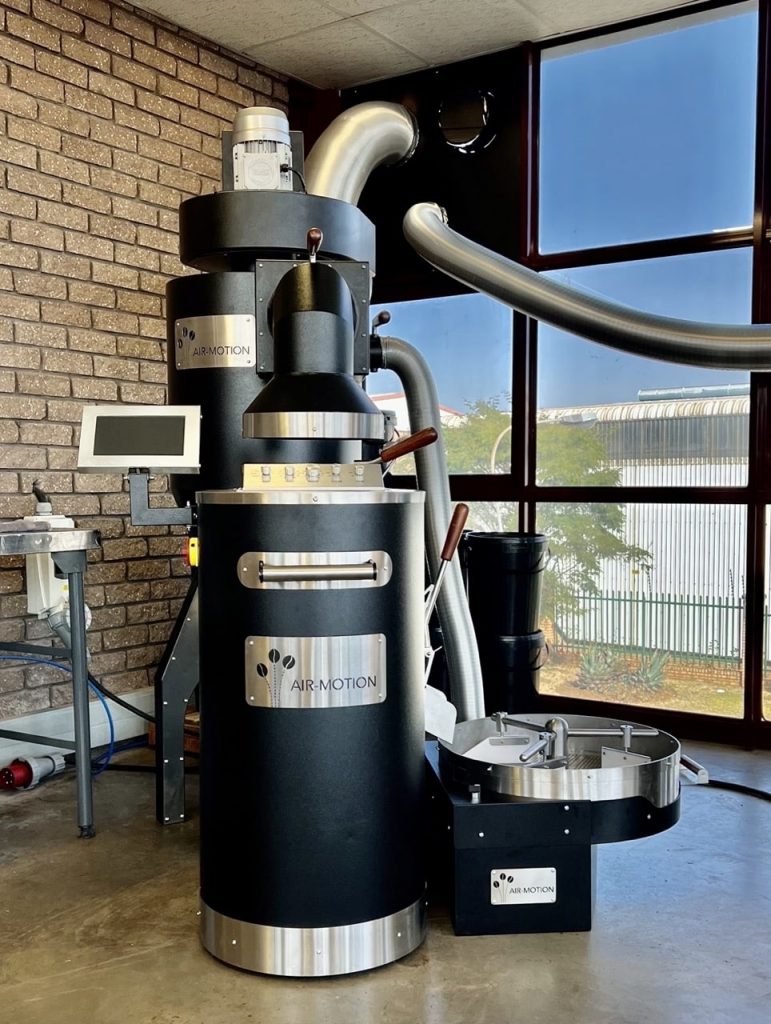
Why Small Capacity Shapes Better Decisions… A 6kg electric coffee roaster often appears modest when judged by output alone. Yet capacity is not the metric shaping its value. What matters is how deliberately each batch is approached, refined, and repeated.
This article examines why this size consistently favors iteration over volume, and why that mindset quietly influences roast quality, operational discipline, and long-term product consistency—often in ways that are easy to underestimate at first glance.
What Does Iteration Really Mean in Coffee Roasting?
Iteration is not repetition without thought. It is structured learning. Each batch becomes a data point, not just a product. Smaller batch sizes support faster feedback loops, allowing adjustments without long delays or wasted material.
With controlled capacity, changes are noticed sooner. Adjustments have already happened, they are happening now, and they will happen again with greater confidence. This mindset aligns closely with how skilled teams develop consistency over time rather than chasing immediate scale.
Why Does a Smaller Batch Size Encourage Better Control?
A 6kg electric coffee roaster naturally slows the process in a useful way. Throughput demands do not rush you. Instead, attention remains on airflow, heat response, and bean behavior. Each variable becomes easier to track.
Compared to larger systems, smaller loads respond faster to input changes. That responsiveness builds intuition. Over time, this control supports repeatability, which many consider the foundation of quality-focused operations using the best coffee air roaster technology available today.
How Does Electric Power Support Precision Over Speed?
Electric systems remove several variables that complicate consistency. Heat delivery remains steady and predictable. Environmental fluctuations have less influence, allowing profiles to stay stable across sessions.
This stability helps you focus on development rather than correction. You are not reacting to inconsistencies; you are refining intention. While larger machines emphasize output, electric formats reinforce learning, especially when paired with smaller capacities.
Why Not Simply Start Bigger and Scale Down?
Starting large often limits flexibility. A 12kg electric coffee roaster demands commitment to volume before profiles are fully proven. Mistakes cost more. Adjustments take longer to validate.
In contrast, a 6kg electric coffee roaster allows experimentation without pressure. You test, adjust, and confirm before scaling. That approach reduces risk and supports smarter long-term growth rather than premature expansion driven by assumptions.
How Does Iteration Improve Long-Term Consistency?
Consistency is built, not assumed. Smaller batch roasting allows patterns to emerge clearly. You see how minor changes influence outcomes across multiple runs.
Those insights compound. Profiles become intentional instead of accidental. Remembering what worked yesterday informs what you refine tomorrow. Over time, this process builds reliability that often outperforms larger systems focused solely on throughput.
How Should a 12kg Roaster Fit Into a Scaled Roasting Strategy?
A 12kg electric coffee roaster plays an important role, but timing matters. Larger capacity excels once profiles are locked and demand is predictable. It amplifies decisions already made, rather than helping create them.
Without iteration-first learning, scaling can magnify inconsistency. Many teams, therefore, treat smaller systems as development tools before committing to larger production equipment aligned with the best coffee air roaster strategies.
Why Does 0Iteration Matter More Than Output in Specialty Operations?
Output satisfies demand. Iteration builds identity. When profiles are shaped deliberately, results become recognizable and repeatable. This recognition supports trust across wholesale, retail, and internal quality benchmarks.
A 6kg electric coffee roaster supports this philosophy by limiting distraction. Focus remains on improvement rather than speed. Over time, this discipline strengthens brand consistency and operational confidence.
How Does Smaller Capacity Support Training and Skill Development?
Learning happens faster when feedback is immediate. Smaller batches allow new operators to understand cause and effect without overwhelming complexity. Errors teach instead of punishing.
This environment supports skill transfer. Teams develop shared language and expectations. As experience grows, confidence follows. That foundation prepares operators for larger systems, including a future transition to a 12kg electric coffee roaster if needed.
What Role Does Flexibility Play in Modern Roasting Strategy?
Markets change. Preferences shift. Flexibility becomes insurance. Smaller systems adapt quickly, allowing profile updates without disrupting production flow.
A 6kg electric coffee roaster supports agility. You can respond, test, and adjust without long delays. That responsiveness keeps operations aligned with evolving goals rather than locked into outdated assumptions.
Conclusion: Why Iteration Quietly Wins
A 6kg electric coffee roaster may not promise dominance through scale, but it delivers something more durable. It supports learning, refinement, and confidence.
When a 6kg coffee roaster anchors development, decisions become intentional rather than reactive. Iteration leads. Volume follows. And the result is a roasting strategy built to last, not just to grow.