


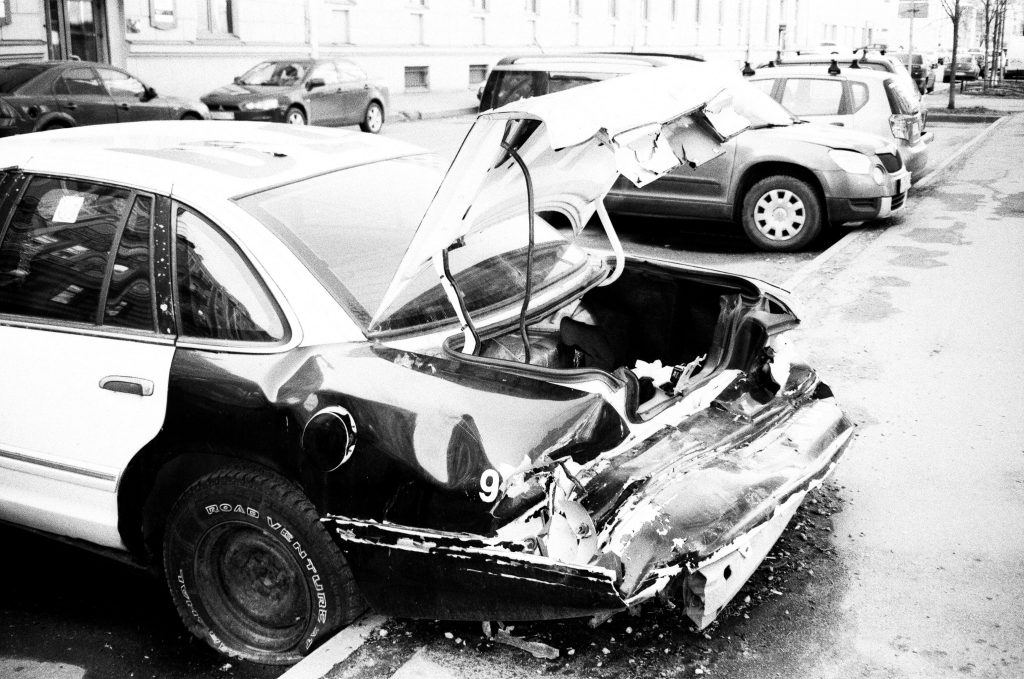
Car accidents shake people up. They’re stressful, confusing, and often too much to handle. Right after a crash, drivers feel a rush of emotions—shock, fear, confusion, and sometimes anger. These feelings can mess with their thinking and cause them to make mistakes. These errors can make recovery harder, mess up insurance claims, or even cause problems in court. Knowing the usual slip-ups drivers make after a crash helps ensure safety, protect rights, and reduce long-term issues.
Failing to Put Safety First
Drivers often make a big mistake after a crash by ignoring safety right away. Many stay in their cars or stand too close to traffic, not realizing how dangerous passing cars can be. Some don’t turn on their hazard lights or move their vehicles to a safer spot when they can. These mistakes can cause more accidents putting the driver and others in danger. After any crash, the top priority should be to make sure everyone involved is safe and the area is as secure as possible.
Not Recording the Scene
Another big mistake is not documenting the accident . When things get chaotic, drivers might forget to take pictures, get info from witnesses, or write down details about the cars involved. This lack of evidence makes it much harder to prove who’s at fault or defend against false claims. Even little things—like skid marks, the weather, or where cars ended up—can matter later on. Police reports give an official account, but having your own records adds extra protection.Take a california highway patrol accident report as an example. It might list the basic facts, but photos and notes from the driver can give context that boosts an insurance claim or helps in court.
Admitting Fault Too
When things get heated, drivers often say sorry or take the blame without thinking even if they’re not at fault. It’s normal to feel for others, but these words can come back to bite them later. Figuring out who’s to blame isn’t simple – it takes evidence, what witnesses say, and sometimes experts piecing things together. By owning up too soon, drivers might hurt their case before all the facts are clear. The smart move is to stay cool, swap the needed info, and let the pros and insurance folks sort out who’s responsible.
Skipping Medical Care
Another mistake people often make is not realizing how crucial it is to get checked out by a doctor. Many drivers think they’re okay if they don’t feel hurt right after a crash. But the rush of adrenaline can hide pain, and some injuries – like whiplash or internal damage – might not show up for hours or even days. Skipping the doctor visit can put your health at risk and make it harder to get money later if you need it. Insurance companies tend to doubt injuries that aren’t recorded , which can make it tough for victims to get fair coverage. Going to the doctor right after an accident keeps you healthy and protects you .
Talking to Insurance Companies the Wrong Way
Lastly, drivers often mess up when they’re dealing with insurance companies. Some don’t tell their insurer right away, while others give incomplete or wrong info. Sometimes, drivers say yes to quick payouts without getting how much repairs, doctor bills, or missed work might cost down the road. Remember, insurance companies are out to make money so they want to pay as little as possible. Drivers need to be careful when they talk to these companies. They should give accurate paperwork and not guess about things they’re not sure about. It’s a good idea to talk to a lawyer or expert before agreeing to any deals. This can stop you from making expensive mistakes.
Conclusion
The time right after a crash plays a key role in shaping both short-term safety and long-term results. People often make mistakes that can make recovery harder and increase risks. These include not putting safety first failing to record the crash scene saying sorry too fast, skipping medical checks, and talking to insurance companies . Drivers can protect themselves and smooth out the path ahead after a crash by keeping cool making safety the top concern, and taking each step with care. Knowing about these traps is the first move to dodge them and handle post-crash events with sureness and duty.