


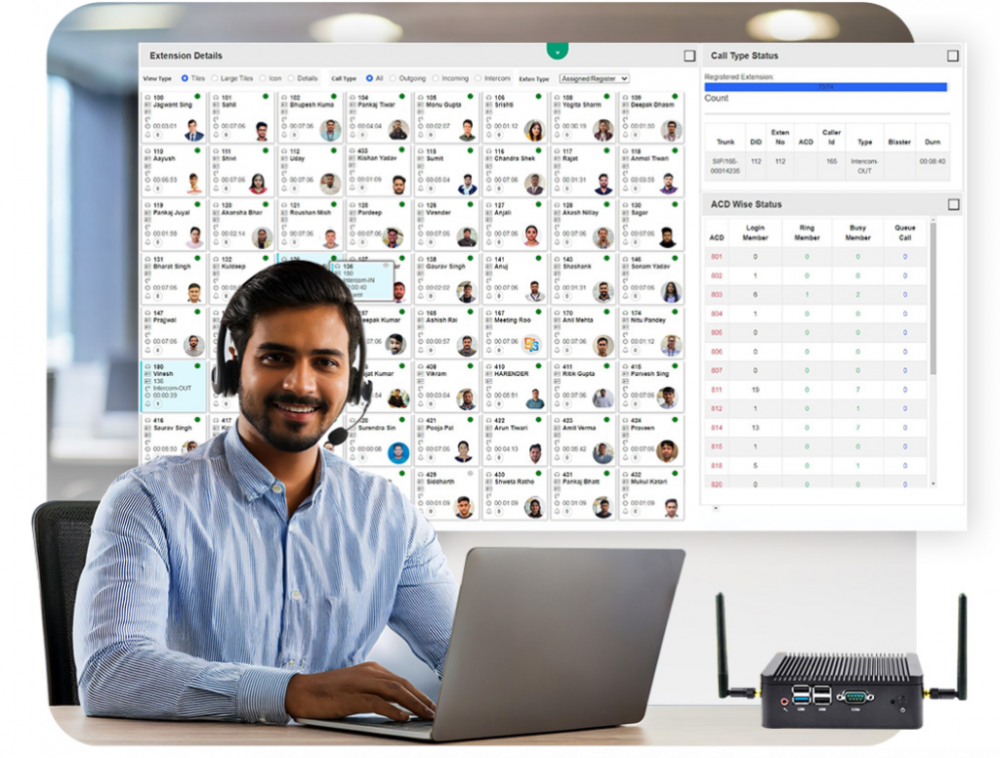
Most call centers don’t notice a dialing issue right away. The signs show up slowly. Agents stay busy, screens are always open, calls are happening—but results don’t quite line up with the effort. Connect rates fall. Follow-ups get delayed. Managers start adjusting targets or scripts, thinking the issue sits with people. In many cases, it doesn’t. The real problem hides in the gaps between calls. Those small pauses add up fast. That’s usually when automated dialers enter the discussion, not as a fancy upgrade, but as a way to get back time that was already being spent.
Automated Dialers and the Reality of Call Center Work
Anyone who has managed or closely observed a call center knows the rhythm matters. Long gaps kill momentum. Constant switching between tools drains focus. Automated dialers change that rhythm. They handle the dialing so agents can stay in conversation mode instead of task mode.
I’ve seen teams where agents were making fewer calls but closing more conversations after dialers were introduced. Not because the system pushed them harder, but because it removed friction they had simply learned to live with.
This is where automated dialers quietly prove their value inside a modern call center solution.
What Actually Changes on the Floor
Talk Time Becomes the Default
Manual dialing creates invisible downtime. Automated dialers remove it. Calls connect when someone answers, not when a number finishes ringing.
In real terms, agents stop listening to dead air. Their day is filled with actual conversations. Energy levels stay more consistent, especially during long outbound shifts.
Call Assignment Feels More Intentional
Not every call should land with every agent. Automated dialers can route calls based on skills, availability, or past interactions.
In one support team I worked with, senior agents handled renewal objections while newer agents focused on confirmations. Transfers dropped. Customers noticed. Agents felt less pressure to “fake it” on complex calls.
Compliance Stops Being a Daily Worry
Manual dialing makes compliance fragile. One mistake, one wrong timing window, and issues start stacking up.
Automated dialers quietly handle rules in the background—call timing, retry limits, suppression lists. Managers spend less time firefighting complaints and more time improving service quality.
Managers Get Clear Signals, Not Guesswork
Live reporting shows what’s happening without hovering. Answer rates. Agent availability. Campaign performance.
Instead of reacting emotionally to slow days, managers can spot patterns early. Bad data lists. Poor time slots. Fixes become practical instead of reactive.
A Familiar Scenario, Just Handled Better
A growing SaaS team once relied on manual dialing for onboarding calls. It worked when volumes were low. As sign-ups increased, follow-ups slipped.
After adding automated dialers as part of their call center solution:
- Same team size
- Same scripts
- Faster first contact
- Fewer missed onboarding calls
Nothing dramatic changed on the surface. Underneath, the process finally matched the pace of the business.
What Automated Dialers Won’t Do for You
They won’t fix weak messaging
they won’t teach empathy
and they won’t replace coaching.
And that’s fine.
Automated dialers aren’t meant to be the hero. They’re meant to clear the path so people can do better work without unnecessary friction slowing them down.
Practical Takeaways Before You Roll One Out
- Start with one campaign, not the entire operation
- Let agents test and give feedback early
- Measure conversation quality, not just call volume
- Use dialer data to coach, not to pressure
When automated dialers are applied thoughtfully, agents don’t feel monitored. They feel supported.
I usually explain it this way in meetings: automated dialers don’t change how your team talks to customers. They change how often they get the chance to talk at all.
Inside the right call center solution, that difference adds up quietly—day after day—until better results feel normal rather than forced.