


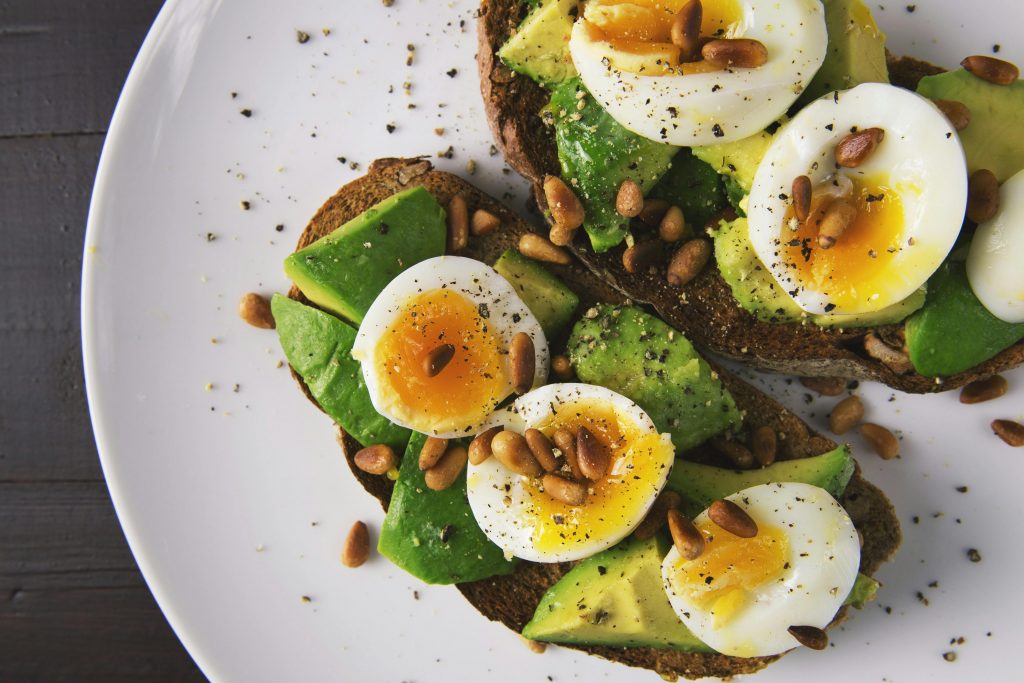
Weight loss isn’t just about cutting down on calories; it’s about following a nutritionally balanced diet plan that supports your metabolism, fuels your body with the right nutrients, and helps you make sustainable lifestyle changes. With growing awareness about fitness, healthy living becomes as significant as selecting the right home or investment-and that’s what even the Pune Realty market emphasizes as part of the demands of modern lifestyle expectations. Presently, modern homebuyers search for communities that promote healthier lifestyles, but personal habits like a balanced diet are still seen playing a major role in managing one’s weight.
This guide can help you grasp just how to build a diet that will be balanced and work for your lifestyle, preferences, and long-term health if effective and sustainable weight loss is your objective.
1. Understand What a Balanced Diet Really Means
A balanced diet contains just the right proportion of macronutrients-carbohydrates, proteins, and fats-and micronutrients, like vitamins and minerals, which your body needs for optimum functioning. Balance, rather than restriction, is more important when one aims at weight loss. Instead of cutting out food groups, choose smarter combinations.
Key components:
- Complex carbohydrates include whole grains, oats, brown rice, millets.
- Lean proteins: eggs, chicken, fish, paneer, tofu, and legumes.
- Healthy fats: Nuts, seeds, olive oil, avocados.
- Fiber-rich vegetables and fruits: Maintain digestion and fullness.
- Hydration helps with metabolism and detoxification.
These are all required by your body to burn fat effectively, support muscle, and maintain hormone balance.
2. Begin with Calculating Your Calorie Needs
The very first step in creating a balanced diet for weight loss is understanding your daily calorie requirement.
Step-by-step approach:
BMR Calculation: Basal Metabolic Rate
Consider your level of activity: sedentary, moderately active, highly active.
A calorie deficit of 300-500 calories per day needs to be created to experience gradual weight loss.
Crash diets restrict calories drastically and often cause a slowdown in metabolism, leading to specific nutritional deficiencies. A balanced plan assures you of losing weight but continuing to feel energetic, active, and healthy.
3. Prioritize Protein for Better Weight Loss
Protein is considered the key nutrient in weight loss because:
- It increases satiety.
- It increases metabolism.
- It doesn’t burn muscles but instead burns fat.
Daily Protein Target:
Aim for 1–1.5 grams per kg of body weight, depending on your activity level.
- Good sources include:
- Chicken, fish, eggs
- Paneer, tofu, soy
- dal, chana, rajma
- Greek yogurt, sprouts
Including protein in each meal helps to stabilize blood sugar and prevents overeating.
4. Healthy carbs should not be avoided.
Many people blame their intake of carbohydrates when they experience weight gain. On the other hand, healthy, complex carbs play a crucial role in energy, digestion, and workout performance.
Choose carbs like:
- Millets: ragi, bajra, jowar
- Quinoa
- Whole-wheat rotis
- Oats
- Sweet potatoes
- Avoid refined carbs like:
- White bread
- Sugar
- Maida-based foods
Balanced carb consumption maintains even energy levels and avoids cravings.
5. Healthy Fats Are Mandatory
Fat doesn’t make you fat—overconsumption of the wrong kinds of fat does. Healthy fats enhance the absorption of nutrients, reduce inflammation, and keep you full longer.
Best sources include:
- Almonds, walnuts, chia seeds
- Olive oil, coconut oil, ghee (in moderation)
- Avocado
- Fatty fish
Include 2–3 teaspoons of healthy fats per day.
6. Fill Half Your Plate with Vegetables
Vegetables are low in calories and high in nutrients and fiber. They keep you full while ensuring your meals remain balanced.
Best picks:
- Leafy greens like spinach and kale
- Cucumbers, carrots, beans
- Broccoli, zucchini, cauliflower
Aim for at least 4–5 servings of vegetables daily for optimum results.
7. Plan Small, Frequent Meals
Instead of 2–3 heavy meals, having 4–5 smaller meals prevents hunger spikes, boosts metabolism, and improves digestion.
- Ideal daily meal structure:
- Morning detox drink
- Protein-rich breakfast
- Light mid-morning snack
- Balanced lunch
- Evening snack
Light dinner It will also keep your body energized and avoid overeating.
8. Create Your Daily Meal Plan – Sample
The following is a simple balanced diet plan for weight loss:
Morning:
- Warm lemon water or green tea
- Breakfast:
- Oatmeal with nuts
OR
- Vegetable Omelet
OR
- Poha with sprouts
- Mid-Morning Snack:
- Fruit bowl
- Coconut water
Lunch:
2 rotis + sabzi + dal + salad
OR
- Brown rice + paneer/chicken + vegetables
- Evening Snack:
- Roasted chana
- Herbal tea
OR
- A handful of nuts
Dinner:
- Grilled fish or paneer + veggies
OR
- Soup and salad
OR
- Light roti + sabzi
- Bedtime Routine:
- Turmeric milk (optional)
9. Hydration Is More Important Than You Think
- Water increases metabolism, aids digestion, and diminishes unnecessary snacking. Consume 8 to 10 glasses each day.
- Add detox drinks like:
- Jeera water.
- Cucumber-lemon water
- Mint-infused water
These enhance metabolism and support fat burning.
10. Common Mistakes in Making a Diet Plan
Even the best-planned diets go wrong because of certain common mistakes:
- Skipping meals
- Eating too much of “healthy” snacks
- Over-consuming fruit juices
- Not counting calories
Consuming large portions at night Following fad or extreme diets Awareness of these mistakes will ensure long-lasting results. 11. Consistency Matters More Than Perfection A balanced diet for weight loss is not about being perfect every day; rather, it’s to do with following a sustainable lifestyle. Be it juggling a busy career, working from a premium home in a Pune Realty project, or managing a hectic family routine, consistency will always deliver better results than temporary diets.
Conclusion
Creating a balanced weight loss diet involves understanding your body’s needs, choosing the right foods, and building a meal routine that supports long-term health. Focus on proteins, complex carbs, healthy fats, vegetables, and hydration, while avoiding processed foods and extreme dieting methods. Remember, successful weight loss is a combination of good nutrition, active living, and persistent habits. With the right plan, you can achieve your goals in a healthy, sustainable manner.