


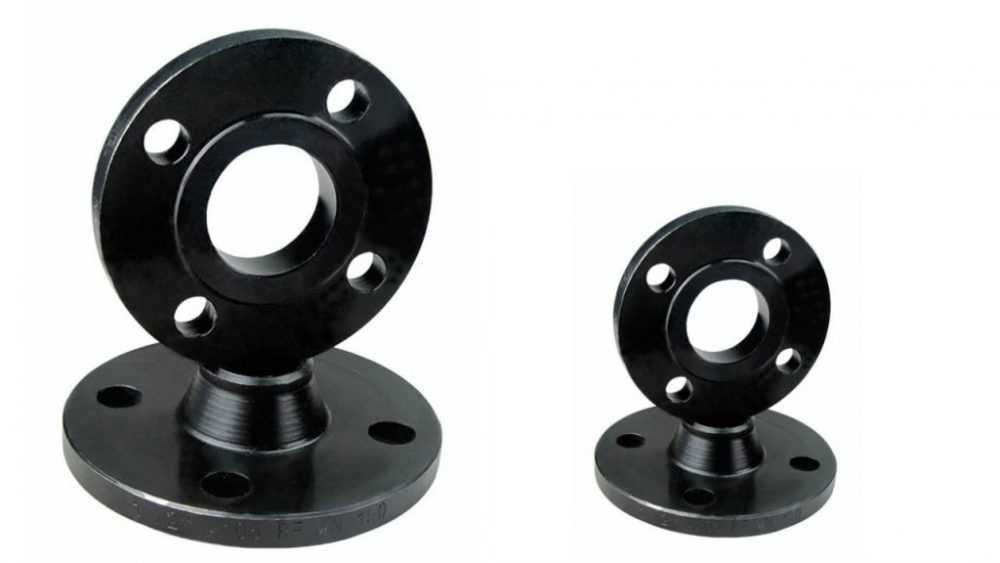
Carbon steel flanges show up in piping systems long before most people notice them, holding joints together while everything else takes the credit. They sit between pipes and equipment, taking pressure, heat, and vibration as part of the job. This role sounds ordinary. It is not. One weak joint can shut down a whole line, and that is why flanges made from carbon steel are trusted again and again in demanding plants.
Carbon steel earns its place through a mix of strength, workability, and cost that feels practical rather than fancy, and this balance lets engineers use it across many systems without overthinking every connection. The metal reacts well to welding, handles stress without sudden failure, and stays available almost everywhere industrial piping exists. Reliability matters here. So does habit.
Understanding carbon steel flanges means looking at how they are shaped, graded, and used in real conditions, where drawings meet heat, bolts stretch, and small gaps turn into leaks if choices are careless. This is not abstract theory. It is hardware that keeps systems running, and where a reliable carbon steel flanges supplier often makes the difference between smooth operation and long, costly downtime.
What Are Carbon Steel Flanges?
Carbon steel flanges are metal rings used to connect pipes, valves, pumps, and other equipment in a piping system, and they matter because they hold pressure, heat, and weight without much complaint. They are usually bolted together with a gasket in between, forming a tight seal that can be opened later if needed. This sounds simple. It is not always simple. In real plants, flanges compete for space, deal with vibration, and sit quietly for years until someone needs to break the joint and hopes it comes apart without a fight.
At the core, carbon steel is steel where carbon plays the lead role in shaping strength and hardness, and that carbon content, even when it shifts by small amounts, changes how the flange behaves under stress, heat, and long-term use in rough service. Strength comes first. Yet toughness stays close. A flange has to survive tightening, thermal cycles, and pressure surges, sometimes all in the same week, and this is why carbon steel stays popular even when shinier alloys try to take its place.
Common Types of Carbon Steel Flanges
When people talk about types of carbon steel flanges, they usually mean the shape and how the flange connects to the pipe, and these shapes grew out of practical needs rather than neat theory or a single design vision. Slip-on flanges slide over the pipe and get welded, which makes alignment easier on site but can slightly reduce strength under high pressure. Weld neck flanges, with their long tapered hub, spread stress more evenly and are trusted in lines where pressure and temperature push hard over time. Blind flanges close off a line completely. Nothing passes. They sit there, solid and stubborn, often waiting for a future expansion that may or may not happen.
Socket weld and threaded flanges exist too, used where pipe size is small or welding access is tight, and the choice between them often depends on worker aptitude and the habits of the plant rather than a rulebook. Decisions are not always clean. Someone remembers what failed last time, or what took too long to install, and that memory shapes the flange choice more than any chart.
Carbon Steel Flange Grades Explained
Grades of carbon steel flanges add another layer, and this part does not have a single, agreed statement that fits every case, because grades reflect chemistry, heat treatment, and testing standards that grew up in different regions and industries. ASTM A105 is common for forged carbon steel flanges used at ambient and higher temperatures, and it balances strength with weldability in a way that feels forgiving on the shop floor. A350 grades come into play when low temperatures threaten brittleness, while A694 grades serve pipelines where high pressure demands extra muscle. Grades guide trust. They also limit misuse.
A grade number on a flange does more than label it; it signals how the steel was made, how it was tested, and what kind of service it can survive without cracking, leaking, or slowly wearing itself into trouble under repeated load and heat swings. This matters more than many admit. Using the wrong grade may not fail today, or even this year, but it can make the patterns worse later, especially when combined with poor bolting or uneven gaskets.
Applications of Carbon Steel Flanges
Applications of carbon steel flanges stretch across oil and gas plants, power stations, chemical units, water systems. And even some food processing lines where corrosion risk stays low and cost pressure stays high. They sit in refineries under scorching sun, then cold rain, then steam. They do not complain. In pipelines, they allow sections to be isolated for repair, inspection, or rerouting. And this ability to open and close systems keeps operations flexible without cutting and rewelding pipe every time plans change.
In power generation, carbon steel flanges handle steam lines that expand and shrink daily. And that movement tests both metal and bolts in ways that drawings rarely capture fully. A small gap in alignment can turn into a leak months later. Chemical plants use them where process fluids are stable and predictable, choosing carbon steel. Because it behaves well and does not surprise operators with sudden corrosion modes. Cost matters here. So does familiarity.
Strengths and Practical Limits
Carbon steel flanges also show their limits, though people often learn this the hard way. Since high corrosion environments or extreme temperatures can push them beyond their comfort zone. And into failure paths that no amount of torque can fix. Still, for many services, they hit a sweet spot between performance, availability, and price that other materials struggle to match. This balance keeps them in use.
In the end, carbon steel flanges remain a quiet backbone of industrial piping. Shaped by decades of field experience, small compromises, and practical choices that keep systems. Running even when conditions are far from ideal. They are not flashy. They endure. And that, for many engineers and maintenance crews, is reason enough.