


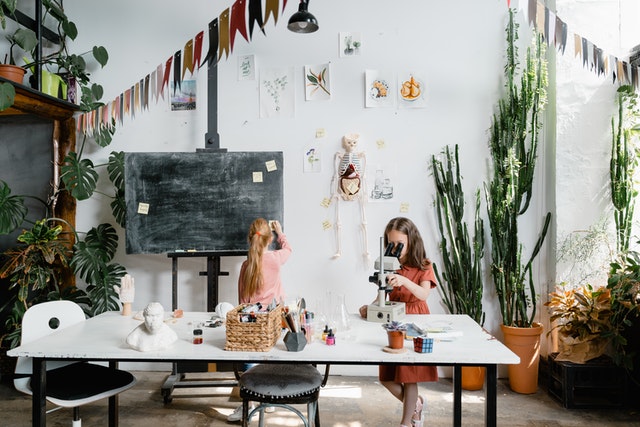
When it comes to sharing knowledge about science, some parents might prefer to hide under the bed and avoid listening to any lectures by their kids’ teachers. Others might be more adventurous and sit up front in the class and ask intelligent, probing questions.
Parents should not let their personal beliefs about what is or isn’t scientific get in helping their children learn about science. Allowing them to explore things on their own is one of the best ways for children to learn new things.
With all that education out there, it can be challenging for parents to know where to begin when it comes to teaching our kids about science. The good news is that there are many great tips out there that you can use as a reference point when trying to educate your child on something new.
Let’s look at five tips to help parents guide their kids into loving learning about science.
1. Measure Their Masterworks
One of the best ways for parents to help their kids learn about science is to have them participate in scientific experiments. You can do this by having them measure the height, weight, and other physical properties of objects they create using materials collected from around the house.
This type of hands-on learning can help children appreciate science and math as they learn how to use these measurements to analyze data. This can be anything from the height of a tree to an apple’s volume. You should involve your children in scientific measurement early to help them develop a love for it.
2. Support Further Exploration
Encouraging your children to keep exploring science topics beyond what they are currently learning is one of the best things you can do for them. This will help them develop a greater understanding of the world around them and enhance their ability to think critically.
Please help your child find scientific journals and magazines that cover different areas of science, and let them read articles that interest them. This will help create a curiosity about science in your child and encourage them to keep learning more about the subject.
3. Encourage Creative Thinking
To help kids learn science, encourage them to think outside the box. By letting them explore things on their own, they will be able to develop their ideas and theories about what’s happening in the world around them.
This type of creativity is essential for kids when it comes to learning new things. When you let children use their imagination and develop their own ideas, they become more interested in learning about the topic. You can encourage this by giving them materials that help them explore their creative side, such as books, websites, and other resources.
4. Teach Them How To Ask Questions
Exploring human anatomy for kids is a great place to start when it comes to teaching science. When children explore different organs and body parts, they can ask questions and spark their curiosity. Make the lesson fun by engaging your child in conversation and turning it into an enjoyable experience.
Children need to be able to ask questions about the things they are learning. This will help them learn how to think critically, and problem solve. When it comes to science, having questions beyond the teacher’s explanation is an excellent way for kids to show their engagement in the class.
5. Encourage Children to Record Their Observations
You can do this in various ways, such as taking notes during class, writing down questions you and your child have about the lesson, or even capturing photos or videos of classroom activities. This helps kids document what they’ve learned and share their discoveries with others.
Wrapping Up
By applying these tips to your child’s science education, you can help them learn and retain information more effectively. Involving them in the learning process increases their interest in the material and improves their memory. Additionally, encouraging creativity and questioning helps your child develop the skills to become a better scientist in the future.