
Cyprus doesn’t rush meals. It stretches them out. Plates arrive slowly, keep coming, and somehow you’re still eating long after you thought you were done. That’s not inefficiency. That’s the point.
Food here is built around sharing, patience, and ingredients that don’t need much fixing. Olive oil, herbs, vegetables, cheese, meat cooked carefully rather than cleverly. If you expect sharp contrasts or dramatic presentation, this is where trips often go wrong. Cypriot food is quieter than that. And better for it.
I’ve eaten in Cyprus the right way and the wrong way. Ordering too much. Eating too fast. Sticking only to “famous” dishes. This guide is meant to help you avoid those mistakes and eat like people who actually live here.
If you’re visiting on Cyprus holiday tours for UAE travelers, understanding how meals work will make the whole trip feel easier and more grounded.
Cyprus – how eating really works here
Meals in Cyprus are social by default. Even when you eat alone, food arrives as if company might join at any moment.
Lunch is often the main meal. Dinner starts later than many expect. And ordering multiple small dishes is normal, not indulgent.
Most people miss this: you don’t need to order much. Food keeps appearing anyway.
Meze – not a dish, but a commitment
Meze isn’t something you order lightly. It’s a procession.
Small plates keep coming. Dips, salads, vegetables, cheeses, grilled items, meat or fish depending on what you choose. You don’t control the pace. The kitchen does.
This is where trips often go wrong. People order meze when they’re already hungry and in a hurry. Bad idea. Meze is an evening. Not a meal squeezed between plans.
If you want the full experience, go in relaxed. If you don’t, order à la carte instead.
Halloumi – eat it fresh, or don’t bother
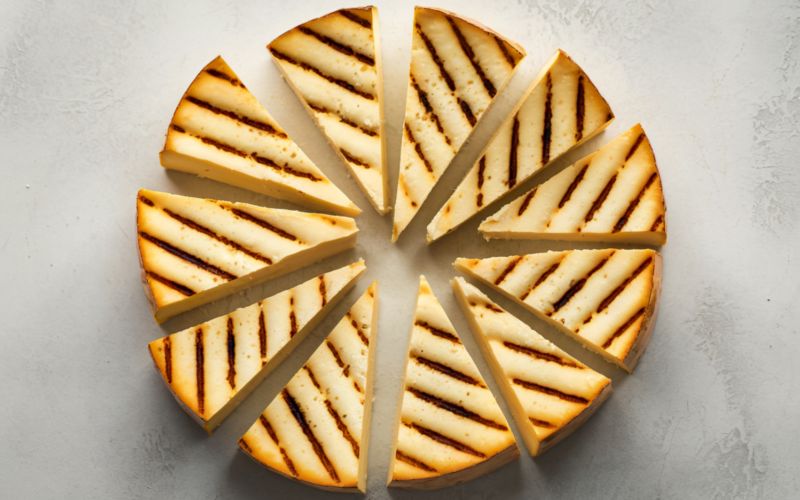
Halloumi is Cyprus’ most famous export, but most visitors don’t eat it at its best.
Fresh halloumi, lightly grilled or even raw, is salty, milky, and satisfying. When it’s overcooked, it turns rubbery and loses its charm.
Look for it served simply. With watermelon in summer. With bread and olive oil. Not drowned in sauces.
Real-life moment: eating warm halloumi at a village taverna, barely melted, no garnish, and realizing why locals don’t dress it up.
Souvla – not the same as souvlaki
These two get confused constantly.
Souvlaki is small pieces of meat on skewers. Quick. Casual. Often eaten in pita.
Souvla is large chunks of meat cooked slowly over charcoal. Usually lamb or pork. It takes hours and shows up mainly on weekends or special occasions.
If you see souvla on the menu, order it. It’s meant to be shared and eaten slowly.
Kleftiko – tender, but not everywhere
Kleftiko is lamb cooked slowly with herbs until it falls apart.
Done right, it’s soft, aromatic, and deeply comforting. Done poorly, it’s dry and forgettable.
Most people assume every restaurant does it well. That’s a mistake. Ask what’s good today. If kleftiko isn’t mentioned confidently, skip it.
Koupepia – small, careful food
Stuffed vine leaves filled with rice, herbs, sometimes meat.
They look familiar if you’ve eaten elsewhere in the region, but Cypriot versions tend to be lighter and more herb-forward.
Eat them early in the meal. They disappear quickly.
Cyprus potatoes – quietly excellent
Cypriot potatoes deserve their reputation. Grown in red soil, naturally sweet.
You’ll encounter them fried, roasted, or simply boiled with olive oil and lemon. They don’t need much else.
This is one of those things people don’t expect to remember, but do.
Fish and seafood – coastal logic applies
Along the coast, seafood is straightforward. Grilled fish. Calamari. Octopus.
The rule is simple: ask what’s fresh. Don’t insist on a specific fish.
This is where trips often go wrong—menus are treated as promises rather than suggestions.
If the fish arrived that morning, you’ll taste it.
Bread, dips, and small starts – don’t fill up too early
Tahini, hummus, yogurt-based dips, olives, bread. They arrive fast and disappear faster.
Enjoy them, but pace yourself. Main dishes are still coming.
Most visitors overdo the starters and regret it halfway through the meal.
Desserts – restrained, not flashy
Cypriot desserts are subtle. Syrup-soaked pastries, spoon sweets, fruit.
You’ll often be offered dessert “on the house.” Accept it. It’s part of hospitality, not a sales tactic.
Coffee comes after. Slowly.
Regional notes worth knowing
Nicosia
Best for traditional tavernas and everyday food. Less polished. More honest.
Limassol
Strong seafood culture. Modern dining mixed with classics.
Paphos
Touristy in parts, but excellent village food just outside the center.
Food quality often improves as you move slightly away from main tourist streets.
Final thoughts
Cypriot food isn’t about chasing highlights. It’s about settling in. Letting meals run long. Eating what’s seasonal and available rather than what’s famous.
If Cyprus is part of a broader plan, including Cyprus holiday tours for UAE travelers, give meals the same respect you give sights. They explain the place just as clearly.
Eat slowly. Share generously. And don’t rush dessert.
FAQs
1. Is Cypriot food similar to Greek food?
There are overlaps, but Cyprus has its own flavors, dishes, and habits.
2. Are vegetarian options easy to find?
Yes. Meze, vegetable dishes, halloumi, and salads make it manageable.
3. Do I need reservations for tavernas?
In busy seasons or weekends, yes—especially for popular local spots.
4. Is tipping expected in Cyprus?
Not mandatory, but rounding up or leaving a small tip is appreciated.
5. Are portions large?
Yes. Order less than you think you need.
6. Is Cypriot food spicy?
No. Flavors are mild and herb-based.
7. What’s the biggest food mistake visitors make?
Ordering meze without time or appetite to enjoy it properly.