


Small Gardens Aren’t They Lovely?
Small gardens can be just as lovely and charming as larger ones. In fact, small gardens have many advantages over larger ones, such as being more manageable and easier to maintain. With a little creativity and planning, a small garden can be transformed into a beautiful and inviting outdoor space. One of the keys to creating a lovely small garden is to make the most of the available space. This can be achieved by using vertical space, such as installing trellises or hanging baskets, or by creating raised beds. Utilizing different levels and textures can also add depth and interest to a small garden. Another important aspect of a small garden is choosing the right plants. Plants that are well-suited to small spaces, such as dwarf varieties or those that can be trained to grow in a specific shape or size, can make a big impact in a small garden. Choosing evergreen hedges that are low-maintenance and easy to care for can also help make a small garden more enjoyable to maintain.
Lighting and decor can also play a big role in making a small garden lovely. Lighting can add ambiance and create a cozy atmosphere, while decor such as statues, fountains, or outdoor artwork can add a personal touch and enhance the garden’s aesthetic appeal.
Evergreen Hedges for Small Gardens
These are a popular and practical landscaping solution for homeowners with small gardens. They provide year-round privacy, noise reduction, and windbreak, while also enhancing the aesthetic appeal of the garden. In this article, we will explore the many benefits of evergreen hedges and the types that are suitable for small gardens.
Benefits of Evergreen Hedges for Small Gardens
- One of the most significant benefits of evergreen hedges is their ability to save space. Unlike trees, hedges take up very little space, making them ideal for small gardens.
- Additionally, evergreen hedges provide year-round privacy, as they do not lose their leaves during the winter months.
- They also act as a noise reduction barrier, helping to block out the sounds of traffic or neighboring homes.
- Furthermore, evergreen hedges serve as a windbreak, providing a sheltered area for outdoor activities and protecting delicate plants from harsh winds.
- Hedges also add visual appeal to the garden, creating a natural and beautiful backdrop.
- Finally, evergreen hedges require very little maintenance, making them an easy and low-cost solution for small garden landscaping.
Types of Evergreen Hedges Suitable for Small Gardens
There are many types of evergreen hedges that are suitable for small gardens.
- Boxwood is a popular choice for its ability to be pruned into various shapes and sizes.
- Yew is another popular choice, with its dense foliage and attractive red berries.
- Holly is an excellent option for its beautiful red berries and glossy, dark green leaves.
- Privet is a fast-growing hedge that is easy to maintain and can be pruned into different shapes and sizes.
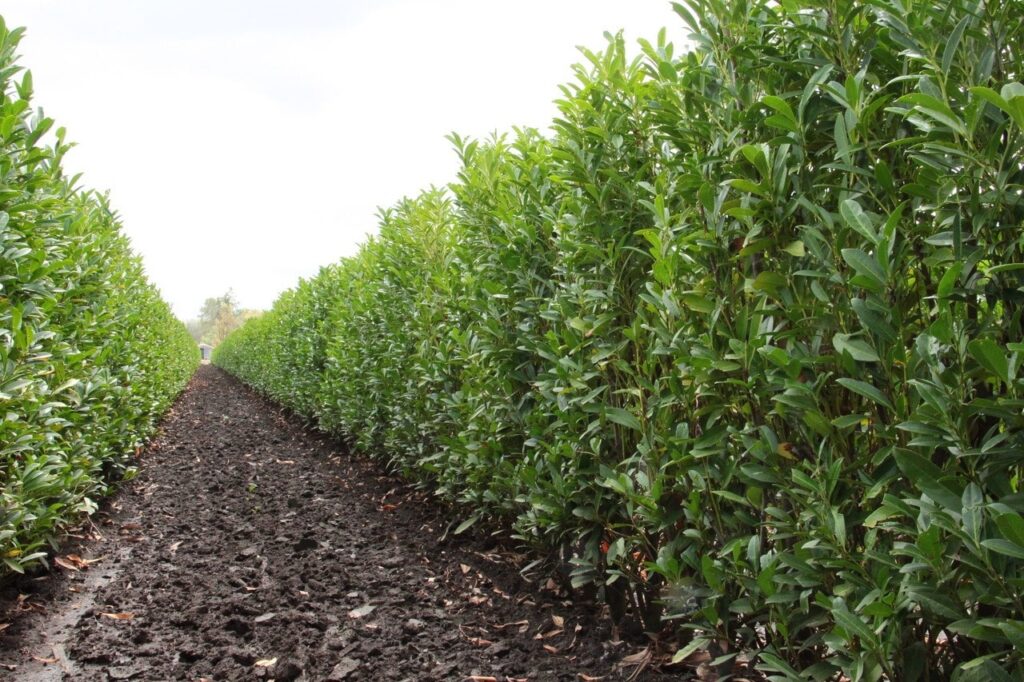
- Finally, laurel is a versatile and hardy hedge that is perfect for small gardens.
Planting and Maintaining Evergreen Hedges in Small Gardens
To plant an evergreen hedge, it is important to choose a suitable location with well-draining soil. Proper spacing and planting techniques are also essential to ensure healthy growth. Soil preparation involves adding organic matter such as compost or manure to the soil to improve drainage and nutrient uptake.
Watering and fertilization should be done regularly to promote healthy growth. Pruning and shaping are necessary to maintain the desired size and shape of the hedge. Finally, pest and disease control measures should be taken to prevent infestations and keep the hedge healthy.
Conclusion
Evergreen hedges are a savior for homeowners with small gardens, providing year-round privacy, noise reduction, windbreak, and visual appeal. Boxwood, yew, holly, privet, and laurel are popular types of evergreen hedges that are suitable for small gardens. Proper planting and maintenance techniques are essential for healthy growth and to ensure the longevity of the hedge. With proper care, evergreen hedges can be an excellent and low-maintenance solution for small garden landscaping.