


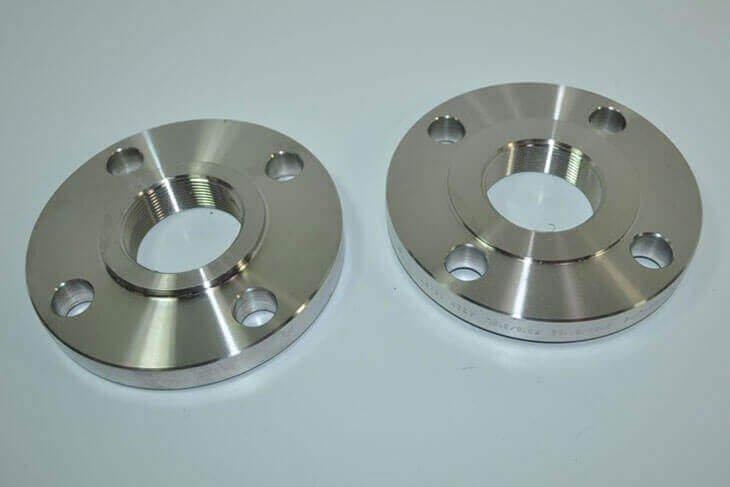
In every piping installation, flanges are the quietly unsung heroes that hold everything together. Pipes and valves may well be the darling of every machinery installation, while the performance of the whole setup relies heavily on the quality of the flanges used in the process. While choices abound in terms of the different materials to use, Stainless Steel 304L flanges remain the tried and trusted choice through the years.
What sets 304L apart is not complexity, but balance. It delivers dependable performance without unnecessary cost or overengineering.
What Makes Stainless Steel 304L Different?
SS 304L is known as the low carbon version of the widely used SS 304 stainless steel material. The low carbon content within it makes it quite valuable for the welding process. The presence of carbon in conventional stainless steel can be a problem when it comes to welding, which can lead to the formation of prone-to-corrosion points along the welds. This problem remains greatly mitigated in SS 304L.
This makes it suitable for use in pipe systems where large weld lengths and/or extensive fabrication and installation of the pipe would be involved.
Why 304L Is Preferred for Flanges
The flanges have to meet the requirements of mechanical stress, temperature variations, as well as environmental factors. The Stainless Steel 304L flange resists such conditions efficiently since this material retains its strength without becoming brittle or showing reduction in corrosion resistance.
Some of the key reasons engineers prefer 304L flanges include:
- Stable performance in mildly corrosive environments
- Strong resistance to oxidation and rust
- Excellent weldability without special heat treatment
- Smooth surface finish suitable for hygienic systems
- Long service life with minimal maintenance
These characteristics make 304L a reliable option rather than a specialized one.
Types of SS 304L Flanges
304L flanges are manufactured in several standard designs, each serving a specific purpose within piping systems:
- Weld Neck Flanges are used where strength and pressure resistance are critical.
- Slip-On Flanges offer easier alignment and are often used in low-pressure systems.
- Blind Flanges are installed to close off pipe ends for inspection or future expansion.
- Socket Weld Flanges are preferred for smaller pipelines requiring strong joints.
- Threaded Flanges eliminate the need for welding in certain applications.
Choosing the right flange type is just as important as choosing the right material.
Industrial Applications
The Stainless Steel 304L flanges are widely used in many business applications. In the case of chemical and petrochemical processing, the ability of the material to resist corrosion and chemicals is very beneficial. For the food processing industry, the cleanliness and non-porous nature of the flanges are desirable properties. Pharmaceutical facilities rely on 304L flanges for similar reasons, while water treatment plants use them for their durability and reliability over long operating cycles.
Oil and gas operations also use SS 304L flanges in non-extreme environments where corrosion resistance and weld integrity are essential but exotic alloys are unnecessary.
Advantages Over Standard Carbon Steel Flanges
Compared to carbon steel, 304L stainless steel flanges offer better durability and stronger corrosion resistance. Although carbon steel costs less initially, it often requires painting, regular maintenance, and eventual replacement over time.
Selecting the Right SS 304L Flange
Prior to choosing a Stainless Steel 304L Flange, details such as operating pressure ratings, operating temperatures, fluid in transit, as well as industry standards could be considered. Choosing the correct rating standard helps in avoiding leaks in the system, as well as system failure.
It is also assured with the help of trusted manufacturers and suppliers because they follow the correct standards.
Conclusion
The stainless steel 304L flanges remain the most preferred choice not simply because they are the latest in the market, but the fact that they perform well. The stainless steel 304L flanges perform well and are easy to work with. Therefore, with proper choice and installation, the SS 304L flanges will offer long service life with minimal worries.