


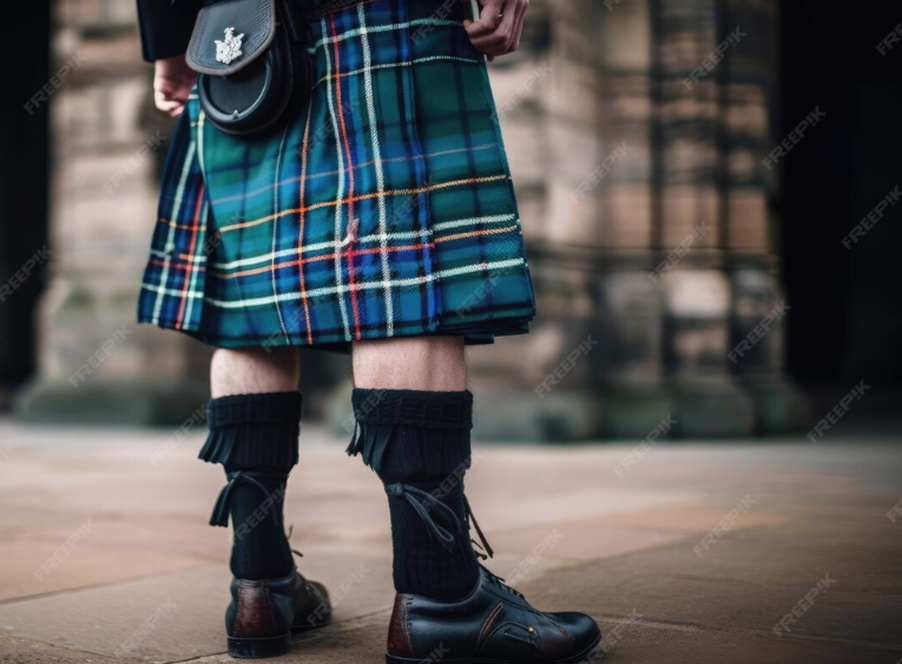
Ten years ago, spotting a utility kilt outside a festival or a Renaissance fair was genuinely unusual.
However, things change during these present times in a way not many expected. For one thing, people are wearing them as a trendsetting wave of vogue across construction sites or even those street markets, along with dine-ins. Furthermore, even those regular people who aren’t even affiliated with the Scottish culture nor blood line wear it due to the piquing interest of these clothing lines. Let alone, friends and family recommend these clothing lines to one another, which says more than enough.
Something real has happened here and it did not come from a marketing campaign. It came from the garment actually working.
What Are Utility Kilts and How Are They Different?
To begin, that particular image is accurate for traditional dress kilts, which are ceremonial garments through and through. They are worn at weddings, at Highland games, at formal Scottish occasions. Owning one often means wearing it three or four times a year at most.
Utility kilts share the basic silhouette and almost nothing else. Canvas, denim, heavy cotton, waxed nylon. Cargo pockets built into both sides. Buckle closures that adjust for a proper fit rather than relying on pleats and pins. Some models add rear pockets, D-ring attachment points and reinforced stitching at stress areas. The construction philosophy is active daily use rather than formal ceremony.
Why Utility Kilts Are Becoming a Global Fashion Trend
Several things converged at roughly the same time. Gender-fluid fashion moved from a fringe conversation into mainstream style coverage and utility kilts arrived in that space carrying no particular agenda. In fact, the visual spread fast. Audiences who had never considered a kilt before saw someone they already followed wearing one and became curious.
The working world piece of this story does not get enough attention. There are plumbers in Georgia and groundskeepers in Queensland who started wearing utility kilts to work because they are cooler in summer heat than any trouser alternative on the market. Not because they saw an advertisement. Because a colleague wore one, they asked about it, tried one and never went back. That kind of adoption, purely practical, spoken about honestly, carries credibility that no editorial coverage can manufacture.
On the other note. More recently, some makers have started combining the two worlds. Argyle tartan kilt fabrics and patterns showing up in utility-construction builds, keeping the pockets, the adjustability, the hardware, while giving the piece a visual connection to highland tradition. That particular crossover has pulled in buyers who love the aesthetic of traditional kilts but wanted something they could actually wear on a Thursday afternoon without it feeling like a costume.
The Versatility of Utility Kilts for Everyday Wear
There are not many garments that genuinely cover a full day without feeling wrong at some point during it. A well-made utility kilt at a mid weight is one of the rare exceptions. Morning coffee run, afternoon outdoor session, evening out with friends. The same piece moves through all of it. Swapping the top layer is enough to shift the register entirely.
Pockets in a utility kilt are a practical conversation worth having in full. Traditional kilts require a sporran for carrying anything at all. The sporran hangs at the front, holds a limited amount, swings around if the wearer moves quickly. Utility kilts replace that with pockets integrated directly into the fabric, six or more in most well-designed models. Phone, wallet, keys, small tools, all in separate locations without creating visible bulk. For anyone who spends serious time on their feet daily, the carrying capacity alone justifies the purchase.
Hot climates have driven a significant share of global adoption and climate coverage of utility kilts tends to underplay this. The American South in July, coastal Queensland in February, lowland Southeast Asia year round, these are environments where canvas trousers become genuinely unpleasant after an hour outdoors. Utility kilts breathe through the lower half in a way no trouser construction achieves regardless of how technical the fabric is. Coverage without heat retention is a combination that is genuinely difficult to find anywhere else in a menswear context.
Who Is Wearing Utility Kilts and Why?
The demographic spread is wider than most first-time observers expect. Hikers found utility kilts through the mobility argument. Free movement on uneven terrain without the restriction of fitted trousers makes a real difference over a long day on the trail and once a few visible outdoor creators started making that case publicly, their audiences followed the recommendation.
The heavy metal and hard rock communities have worn kilts for decades. Utility styles fit that world more naturally than formal dress kilts ever did. The weight of the hardware, the rugged fabric character, the overall silhouette belongs there without requiring any justification.
Cosplay communities, steampunk hobbyists, Renaissance fair regulars have each built their own kilt traditions independently. The adjustability and material variety in utility construction means hobbyists can build a complete themed look around the kilt as a central piece rather than an accessory.
Then there is the international buyer who approaches utility kilts specifically because the purchase does not feel like borrowing from another culture. A formal tartan dress kilt carries clear cultural ownership. A utility kilt built in canvas or denim reads as contemporary practical clothing. That distinction removes a real barrier for a large segment of global buyers who might have stayed away otherwise.
How to Style a Utility Kilt for Different Occasions
Casual days work best kept simple on top. A neutral canvas kilt, a plain or graphic tee, boots with some visual weight at the foot. Nothing competing for attention above the waist means the kilt reads as the anchor point of the look rather than one element fighting with others. Dark olive, brown, grey tones in the canvas carry across most casual contexts without looking like too much effort was involved.
Active outdoor use calls for lighter construction. Nylon utility kilts with a moisture-wicking shirt and proper trail footwear form a genuinely functional kit for physical days. A fitted base layer worn underneath handles coverage during any range of movement without adding restriction and most experienced outdoor kilt wearers consider this combination standard rather than optional.
Festival dressing allows the most latitude of any context by a considerable margin. Layering a kilt over leggings, building around a structured vest, adding arm wraps or layered accessories, all of these work because festivals genuinely reward considered personal style rather than penalizing it.
Conclusion
Utility kilts have genuine momentum because they solve real daily problems rather than simply looking interesting. Practical construction, honest climate performance, adaptability across wildly different contexts and communities have built a following that keeps growing without requiring much outside encouragement. The design category keeps improving as more serious makers enter it. First-time buyers today have better options available than buyers three years ago did and that trajectory shows no sign of reversing.