


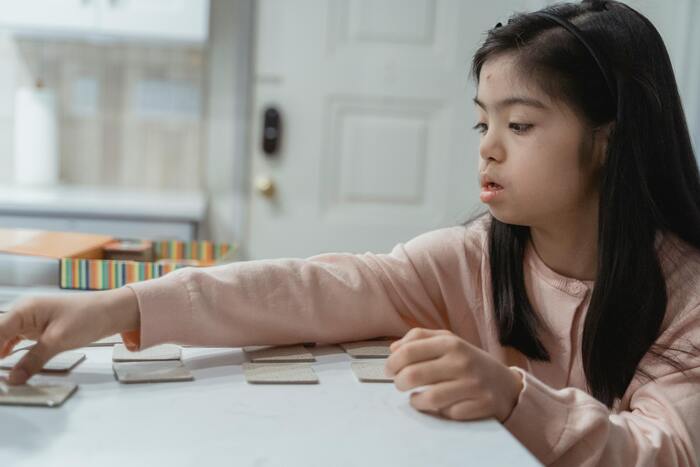
Finding the best therapy can be a frightening and hopeful process for families with autistic children. In-home autism therapy offers comfort, security, and the opportunity to develop essential skills in a familiar environment, while clinic-based therapies also have their own advantages.
Along with providing children a sense of safety, in-home therapy allows parents to stay intimately involved in the growth of their kids.
In this post, we’ll look at six successful in-home therapy methods that can help autistic kids thrive, speak better, and acquire vital life abilities.
1. Applied Behavior Analysis (ABA) Therapy at Home
ABA therapy is among the most recognized and evidence-based methods for supporting individuals with autism.When given in the home, ABA has a significantly greater success rate. In a controlled but friendly surroundings, it eliminates unacceptable conduct and teaches fresh skills via positive reinforcement.
Benefits:
- Throughout the day, parents can observe and take part, helping reinforce newly instructed habits.
- Programs are especially tailored to meet the goals and developmental phases of your child.
Example: If a kid has trouble getting dressed, an ABA therapist might help them learn through hands-on instruction by showing them what to do step-by-step during the morning routine.
2. Speech and Language Therapy
Speech problems or delays with expressive and receptive communication occur frequently in children with autism. Rather than relying solely on flashcards or clinical drills, in-home speech therapy aims at building these abilities through natural interactions.
Benefits:
- Learning opportunities result from routines, meals, and familiar toys.
- Family members may work with therapists to show effective communication skills.
Example:To turn a daily routine into a language-building session, a therapist could use snack time to teach requesting phrases like “more,” “please,” or specific food names.
3. Occupational Therapy (OT)
Occupational therapy assists autistic kids learn daily skills such as play, self-care, and coordination. In-home OT might concentrate on activities that are relevant to daily life, such washing teeth, using utensils or completing basic tasks at home.
Benefits:
- Therapists can make changes after assessing the effect of the child’s home environment on his or her functioning.
- The ideal environment for practicing abilities such as executive functioning, visual perception, and fine motor control is the home.
- Families develop ways to cope with issues like overstimulation and transitions.Therapists can make changes after assessing the effect of the child’s home environment on his or her functioning.
- The ideal environment for practicing abilities such as executive functioning, visual perception, and fine motor control is the home.
- Families develop ways to cope with issues like overstimulation and transitions.
Example: A child develops autonomy in everyday life as they learn how to perform tasks as zip their jacket, climb stairs, or use a fork for food.
4. Parent Training and Coaching
The development of children is significantly impacted by their parents, and parent-led therapies can be very effective. Through intended play, behavior management tactics, and interpersonal abilities, parents can support their child’s learning throughout the day with appropriate instruction.
Benefits:
- It strengthens the connection between everyday tasks and formal therapy sessions.
- provides parents the confidence they require to deal with difficult conduct.
- strengthens the bond among parents and their kids.
Example:To help regulate outbursts and create routines around bedtime, chores at home, or school preparation, a parent can discover how to use visual schedules or token systems.
5. Play-Based Therapy
Play is the best method for kids to learn, especially when therapy revolves around their interests and favorite hobbies. Structured play sessions that teach social interaction, taking roles, giving attention, and creative thinking are part of play-based therapy in the home.
Benefits:
- Makes learning fascinating and enjoyable.
- The child and the therapist build a stronger connection and more trust as a result.
- supports creativity and flexibility in thinking.
Example: A therapist may practice social cues like “stop,” “go,” or sharing with a youngster using their favorite toy automobile. This would also help the child’s vocabulary and attention spans.
6. Social Skills Training
Children with autism frequently struggle with social skills. Using one-on-one interactions or siblings as peer models, in-home social skills training focuses on teaching appropriate behaviors, conversational abilities, eye contact, and handling emotions.
Benefits:
- Include individualized teaching in an environment without distractions.
- The child’s natural interactions can be enhanced with practice with siblings or other family members.
- Assists children to get ready for community gatherings, playdates, or school.
Example: To practice greetings, sharing, or managing disappointment when a toy is unavailable, a therapist may set up a playdate or birthday party circumstance at home.
Why In-Home Therapy Makes a Difference
More than mere convenience, choosing in-home therapy is about providing a solid, loving atmosphere where kids with autism can learn useful skills. In their own environment, kids feel more at ease, which increases their capacity to learn & participate. Additionally, it provides chances to personalize each therapy session to meet needs in everyday life.
Key benefits of in-home therapy include:
Daily routines are used as a means of practising and strengthening skills.
- Parental collaboration: Families acquire abilities they can use all day long.
- Fewer transitions: Kids have nothing to worry about adjusting to new places or traveling.
- Personalized goals: The main focus of therapy is on your child’s and family’s goals.
Choosing the Right Approach for Your Child
Because each autistic child is distinct, no one therapy will be effective to them all. Mixing therapy that is unique to a child’s requirements, goals, and skills often produces the best results. Consider about the following factors prior to choosing in-home therapy services:
- The behavioural and communication needs of your child
- The tastes and routine of your family
- The therapists’ qualifications & experience
- To how much do you wish to take part in the process
If you are looking for ABA therapy in North Carolina? Symphony ABA offers tailored, caring care to support the growth of your kid.
Conclusion
A successful way to support your kid’s growth, learning, and success in the setting they feel most at ease in—their home—is through in-home autism therapy. These six tactics, which range from play-based learning and parent coaching to ABA and speech therapy, offer a foundation of significant progress. Children with autism can acquire the abilities necessary for a better, more independent future if they receive adequate support and grow up in a caring environment.