


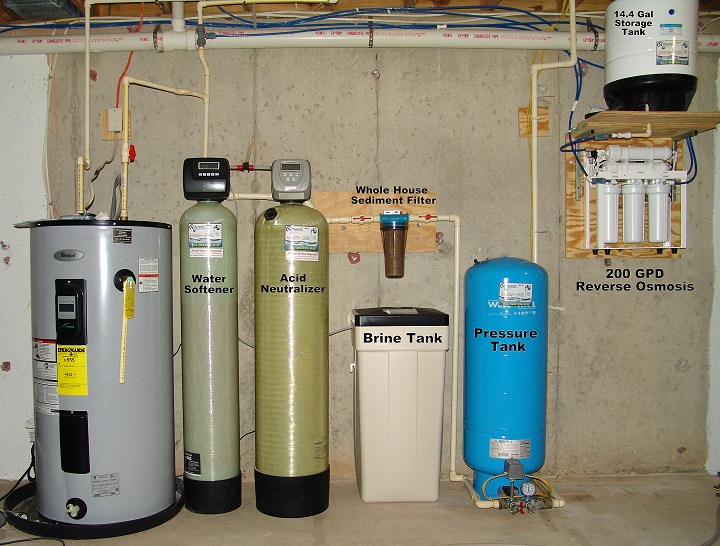
A well pressure tank is a vital part of any water system. Managing it requires careful planning, and well management should be a top priority. Additionally, the water pressure tank connected to a well pump must be properly installed to ensure smooth water flow and optimal performance.
In simple terms, a well pressure tank regulates the water pressure from the well. It works based on the volume of water flowing into the tank, while pumps maintain precise pressure levels for consistent delivery. Using a high-quality tank and pump ensures efficient water flow and stable pressure throughout the system.
Key Considerations Before Installing a Water Pressure Tank
Before installing a tank with a well pump, consider the following steps:
- Check for water fluctuation – monitor changes in water pressure and flow.
- Compare water level in the well – ensure the tank can handle expected volumes.
- Identify key switch locations – for easy maintenance and optimal operation.
- Determine the exact water source location – this ensures proper installation and efficiency.
By planning carefully and following these steps, you can ensure your water pressure tank and well pump system operates efficiently and reliably.
Exact Water Flow
The first important factor in any well system is ensuring precise water flow. A well pressure tank relies on the well’s pressure to regulate this flow effectively. By properly managing the water movement, the tank can respond efficiently, especially when paired with a high-quality pump. Achieving exact water flow ensures consistent performance and optimal operation of the tank.
Pressure from Wells
Another critical factor is the pressure generated by the well. This is where the well pump plays a key role. Pumps must be installed in the correct positions, with switches and controls properly configured, to generate and maintain the necessary pressure. This pressure is then transferred to the water tank, allowing it to handle fluctuations efficiently. Properly functioning pumps ensure a balanced and steady flow between the well and the tank, maintaining the right water volume and consistent performance.
Connected Energy of Pumps
Lastly, to balance the entire process, the energy of pumps matter more than anything, they have to be of premium quality, one who can handle the force in between the transfer of wells and the water tank to release and drag on such water quantity, and this is where the fixed quality of such pumps play a vital role to blend in the entire process and use such energy to perfect water transfer response into such good pressure tank and use it for larger requirements for you.
Conclusion
This is how a well pressure tank system works. First, you need a strong and reliable water pressure tank. Then, it is essential to select high-quality pumps that can handle fluctuations and maintain consistent pressure within the tank. Following these steps in a systematic manner ensures the tank performs efficiently, delivers the right amount of water, and provides reliable operation. By understanding each part of the system, you can manage your well pressure tank effectively using this complete guide.
Usually, the thing that you have to take care of is to see how much water you actually want, you better not try to wastewater or limit it while setting the process by which pumps transfer water to the tank by using pressure from well, and if you can arrange things by the smart switch and hold in process in between all three equipped segments, then it can surely help you to have best possible water arrangement done for you.