


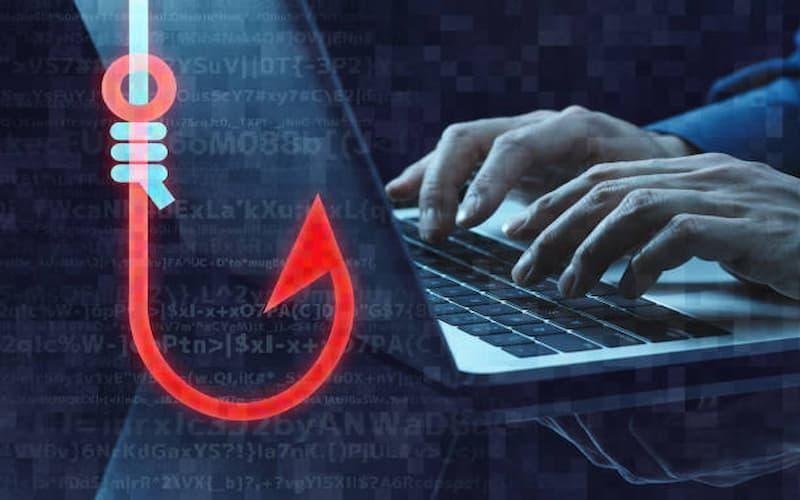
The cybercriminals are targeting small businesses in Saudi Arabia, and phishing attacks are among the most prevalent forms of threats. Such scams do not merely capitalize on the weaknesses in the software but they capitalize on human behavior. Firms in need of a trusted Cybersecurity for SMEs Saudi Arabia should rely on the services of professionals such as Securelink who can guard the confidential information and enhance the protection of the businesses.
Phishing attacks deceive employees into making costly mistakes by exploiting trust, fear, or curiosity. Effective threat detection strategies for SMEs provide early warnings about suspicious activity, reducing the risk of serious breaches and protecting financial and operational stability.
Understanding Phishing Attacks on Small Businesses
1. What Phishing Is and Why Small Businesses Are Targeted
Phishing is a computer attack that tricks the workers to disclose confidential data, including passwords or bank details. Small businesses are especially susceptible since they do not necessarily have big IT departments or security systems. Attackers take advantage of human behavior and they are aware that employees are the most convenient method of gaining access to confidential business information.
2. Exploiting Trust
Fraudsters are dependent on trust. Emails that seem to be sent by colleagues, vendors or executives will be opened and acted upon. Trust is the primary weak point since employees tend to react in an automatic way to the names of familiar people or the branding of the company. Awareness program will assist in making staff members aware of the possibility of suspicious communication and ask questions before it is too late.
3. Authority and Urgency
Phishing emails create a sense of authority or urgency. Attackers often pose as CEOs or official organizations and use threats like account suspension or unpaid bills to push employees into making quick decisions without verifying the message. Being aware of these tricks will enable companies to introduce measures that inhibit impulsive behavior and protect information.
4. Fear as a Motivator
One of the major psychological tricks in phishing is fear. The employees get notified of security breach, financial punishment, or even suspicious activity, which instills panic and prompts them into action. Even careful employees can fall prey to unsafe links or open infected attachments under stress, which explains the importance of informing employees and verifying them.
5. Social Influence and Peer Pressure
A large number of phishing campaigns replicate the internal message and emails can seem to be sent by a coworker or supervisor. Employees tend to do what they believe to be the norm, and they already know that every other person has already confirmed the message. By promoting the culture of doubt towards the strange requests, a significant decrease in susceptibility to such manipulative actions can be achieved.
6. Cognitive Overload and Decision Fatigue
The phishing of employees with several responsibilities is one of the most appropriate targets. Cognitive overload is taken advantage of by attackers since mental exhaustion decreases the attention to detail. The presence of deadlines or post-holiday workloads, which are characterized by high-pressure, predisposes the occurrence of errors. Organized processes and regular alerts on security best practices are useful in keeping the watch and minimizing risk.
7. Curiosity and Reward-Based Tactics
Other phishing messages do play on curiosity or the promise of perceived rewards, e.g. unread messages, bonuses, or special offers. Employees can just press links without thinking of the dangers and this may lead to exposure of sensitive information. Employee education on how to identify such manipulative tricks assists in data security. And is a guarantee that businesses have proactive security.
8. Small Business Vulnerabilities
Small businesses usually encounter special cybersecurity challenges such as reduced staffing, low budgets, as well as less formal training. Attackers take advantage of these loopholes by developing messages which are easy, urgent and persuasive. A single breached account can cause operational disruptions, loss of money or reveal sensitive client data. Which is why preventive actions are necessary.
9. Building a Security-Conscious Culture
It is important to have a culture of security awareness. Employees are supposed to be empowered to investigate the strange messages, check the sources and report suspicious behavior. The regular demonstration of leadership and continuous training enhances internal vigilance. The practices do not just decrease the risk but also enhance the resilience of operations so that SMEs. Can learn to use effective threat detection for SMEs approaches in a natural manner.
10. Continuous Awareness and Adaptation
Phishing attacks keep on changing and that is why constant awareness is needed. Threat intelligence sharing, frequent updates and strengthening of security measures are used to keep employees vigilant. The integration of cultural programs with technical surveillance can help to identify the threats at the initial stages. Collaboration with such specialists as Securelink can also result in a more effective business response to phishing attacks.
Conclusion
Phishing attacks are more psychological than technical and they play on trust, authority, urgency, fear and social influence. Small businesses are especially susceptible because of the lack of resources and multitasking conditions. The understanding of these tricks and the proactive measures taken will enhance the threat detection. For SMEs and will avoid expensive breaches and sensitive data.
Small businesses can be resilient through the creation of awareness, constant training, and the use of professional guidance. When investing in the education of employees and specialized cybersecurity solutions, the application. Of phishing threats is timely identified, and business processes are safe and stable.