


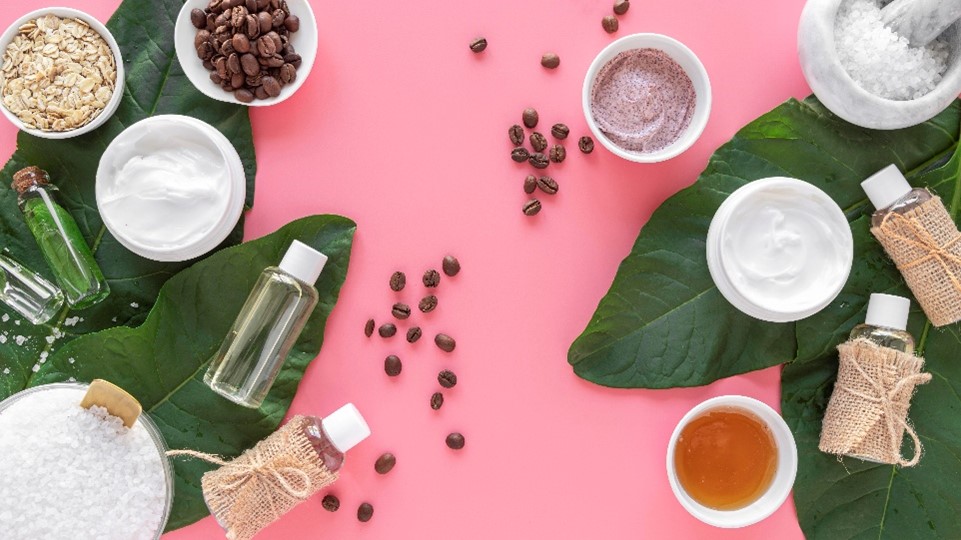
For the past few years, the usage of plant-based ingredients has moved from being a minor application to becoming the main source of innovation in the global beauty industry. The change, which is often called “farm to face”, reflects a significant change in the priorities of consumers, the methods of science, and the market dynamics. Fundamentally, the idea is to shift broadly the fashion of resins, which are synthetic, animal-derived, or chemically intensive, and to choose more natural, eco-friendly, and morally plant-based products that are compatible with the lifestyle of the modern ethical consumers.
Consumer Values and Market Forces Reshaping Beauty
Many skincare routines today are influenced by the trend to use more plant-based components, and this is largely due to customers being more aware. Consumers of today are demanding that brands not only be more transparent but also source their ingredients ethically and take into consideration the carbon footprint of the products that they put out. Problems such as animal welfare, chemical exposure, and climate change have gone from being small considerations to the most determining factors for which products to buy, particularly for the Millennials and Generation Z. Besides that, 68% of consumers globally express that they would be more inclined to purchase products having clear sustainability certificates, of which those endorsing plant-based and cruelty-free sourcing are examples.
Plant-based products have become a major trend throughout the whole beauty industry with the market size of these products expanding roughly 15-20% over the last five years. The growth of the vegan beauty segment, which has become a significant global phenomenon due to the clean and ethical beauty trend, is where most of this expansion can be attributed. The foremost companies are slowly deciding to employ biodegradable botanicals in their products and reducing the amount of harsh synthetic ingredients. This move demonstrates a commitment to not only incorporating sustainability and ethical sourcing in the production of products but also in the marketing and communication aspects.
What Does “Plant-Based” Mean in Beauty Formulations?
One of the main factors that led consumers to be more selective about brand transparency, ethical sourcing, and product carbon footprint is their awareness of these issues. Consequently, the inclusion of plant-based ingredients in skincare has become the very supply-side answer to the informed consumer demand.
Botanical Oils and Butters: Beyond their benefits for overall well-being, coconut oil, argan oil, and shea butter are among the best sources of natural hydration for the skin. What is more, they ensure the skin’s protective barrier is not only maintained but they also help to keep the skin healthy, resistant, and soft.
Plant Extracts: Green tea, aloe vera, and chamomile are three biologically pure, plant-derived products, which respectively, provide to the skin soothing, antioxidant, and anti-inflammatory properties to the skin. They are nature’s way of helping the skin heal and protect itself. The skin utilizes these extracts to alleviate the discomfort, to protect itself from the environmental aggressors, and to maintain a nice and fresh appearance.
Bio-Derived Actives: A great example is vegan collagen which is created by a fermentation method rather than an animal extraction. This is an ideal case of how innovative biotechnology and eco-friendly plant farming practices can be mixed in a very effective way to produce high-quality, morally sourced skincare products that are designed for the lifestyle of eco-conscious consumers.
The transition to ingredient sourcing from this point is a reflection of the industry’s commitment to farm-to-face principles which involves the emphasis on traceability, less processing, and the confirmation of the source of the botanicals.
Benefits and Challenges of Plant-Based Ingredients
Plant-based ingredients possess a range of benefits that appeal to both customers and product developers of the latest products, for instance:
Gentle and Natural: Plant-derived components are by nature extremely kind to the skin, including sensitive skin and they are practically always lacking harsh types of preservatives, sulfates, or other strong chemicals. Therefore, these items are allowed to be used daily without any harm, and they actually help the skin to become healthier gradually.
Sustainability: Generally, carbon emissions from biobased ingredients that are grown in a good and eco-friendly way are lower than those emitted from animals or from petrochemicals.
Functional Diversity: Plants have a wide range of complex phytonutrients such as antioxidants, vitamins, and flavonoids that attract one by one multiple benefits. These compounds can inter alia rejuvenate, protect from ageing, and strengthen the skin’s natural barrier which thus becomes a skincare solution with multiple functions.
Despite these strengths, challenges persist:
Supply Complexity: The quality of plant materials can be a great challenge for the supplier especially when they have to deal with rare botanicals or crops that are grown. This complication can cause delays in production and affect the availability of the product.
Certification and Transparency: Different standards for vegan, organic, and other eco-certifications can cause a great deal of confusion for consumers, as well as problems for compliance with regulations. Being truthful in labelling and following recognized standards are the two main things that help create trust and ensure that a business is credible in the market
Innovation and Future Directions
Innovation is still accelerating at the intersection of agriculture, biotechnology, and cosmetic science. One of the most-discussed is algae-based ingredients (algae extracts). Being a one-ingredient solution, they give hydration, antioxidants, and help the skin’s barrier all from their multifunctional properties. Moreover, a biotech-driven plant derivative like vegan collagen and a plant-based hyaluronic acid alternative is a sign of the future when performance and ethical sourcing will be more consistent with each other. Meanwhile, the vegan beauty products market is evolving into personalized skincare, functional makeup, and hybrid wellness formulations that are neither beauty nor health, but somewhere in between. These changes indicate that the industry’s farm-to-face revolution is not only expanding in the number of products but also in the company’s moral principles.
According to Pristine Market Insights, the incorporation of plant-based components in health and wellness has ceased to be a trend and is rather indicative of a significant change towards more eco-friendly, research-based, and sustainable product solutions. This shift is not only changing the standard of the industry and the expectations of the consumers, but also the concept of beauty. Although there are still some difficulties in obtaining ingredients, in their stability, and in certification, this trend is a clear signal of a different way of looking at beauty, like a way in which nature, morality, and effectiveness meet not only in our fields but also on our faces.