


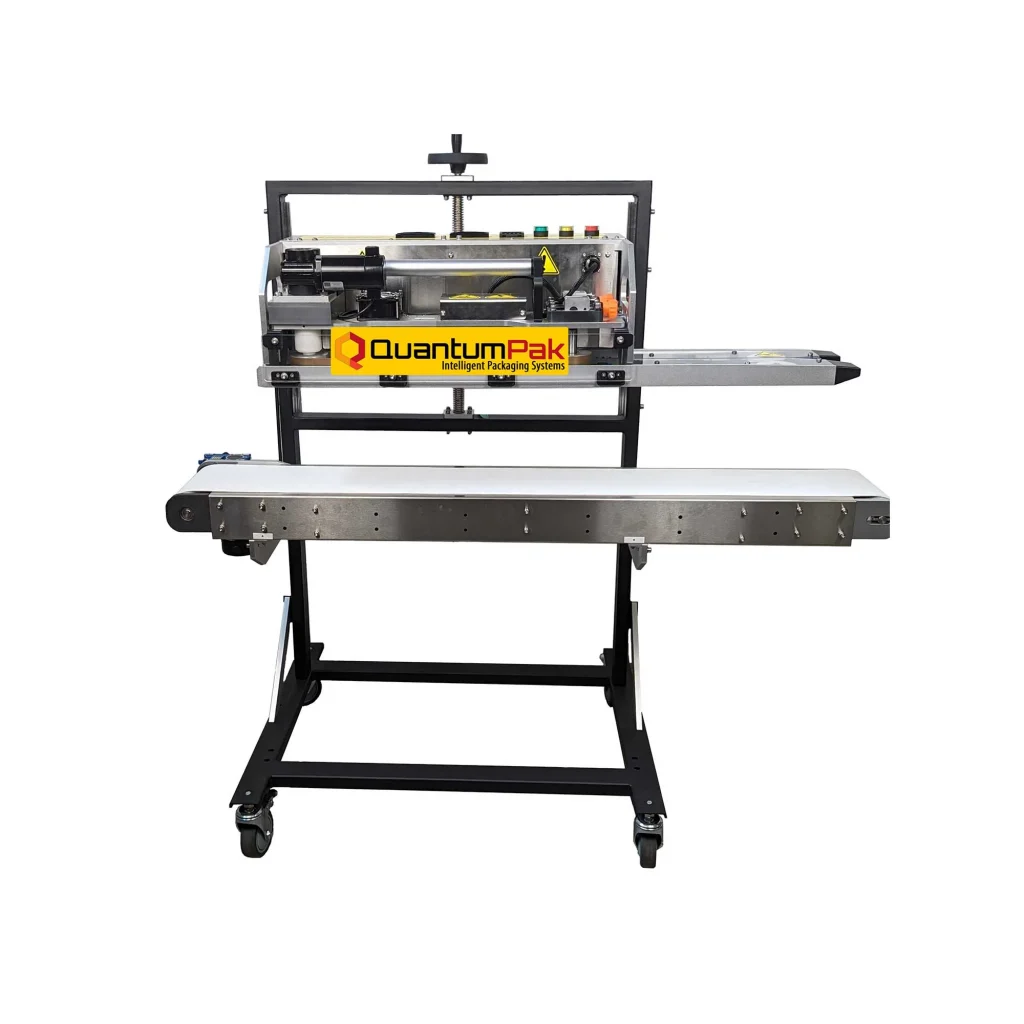
Every packaging line carries a quiet assumption: if yesterday’s seals held, today’s will too. That assumption works—until it doesn’t. Materials shift slightly, ambient conditions change, and production speed evolves, often without drawing attention to itself. Temperature does not fail loudly in those moments. It drifts. And drift is what turns a stable sealing process into a source of inconsistency.
This article approaches calibration from a systems perspective rather than a troubleshooting one. Instead of reacting to failed seals, the focus is on how temperature settings should be interpreted, tested, and confirmed as part of normal operational awareness. You already know how a continuous coffee bag sealer functions mechanically.
What should be looked at again is how often its temperature is considered to be set in a static condition instead of one that reacts to actual conditions present on the floor. By shifting perception to consider calibration to be an ongoing decision process instead of one intended to correct problems, risk is minimized before it is introduced in the final product.
Why Does Temperature Calibration Matter In Continuous Sealing?
Heat drives polymer fusion. If the temperature runs low, seals channel or peel. If it runs high, films thin, scorch, or wrinkle. Studies across flexible packaging lines show that seal defects account for a large share of rejected units when thermal settings drift. Calibration aligns displayed setpoints with actual jaw temperature, ensuring every pass meets tensile and burst standards without wasting film.
What Factors Influence Sealing Temperature Accuracy?
Several variables affect real heat at the seal interface. Heater band aging reduces output. Thermocouples shift over time. Line speed changes dwell time, altering effective heat transfer. Ambient airflow cools the jaws between cycles. Even film thickness variance matters. Calibration corrects for these realities, especially on a continuous coffee bag sealer operating at high throughput.
How Should Preparation Be Handled Before Calibration?
Begin with a controlled baseline. Power down and lock out the unit. Clean sealing jaws to remove oils and residue that insulate heat. Inspect heater bands and sensors for wear. Confirm the film specification and target seal window. Restart and allow full warm-up until readings stabilize. Skipping prep introduces error before calibration even begins.
Which Tools Are Required For Accurate Temperature Checks?
Surface temperature probes or calibrated thermocouples provide direct measurement at the jaw face. Infrared guns help with spot checks, but can misread reflective metals without emissivity control. Use a data logger to capture variance during operation. Reliable instruments matter because calibration aligns the controller to measured reality, not assumptions.
How is The Actual Calibration Performed Step By Step?
Set the controller to a known value within the film’s seal range. Measure jaw temperature at multiple points. Compare readings to the display. Adjust the controller offset until the displayed and measured values match. Repeat across low, mid, and high setpoints. On a coffee bag sealer, this multi-point method reduces nonlinearity at speed.
When Should Dwell Time And Pressure Be Verified?
After thermal alignment, verify dwell and pressure. Temperature never works alone. Faster belts reduce contact time, requiring higher heat. Excess pressure can squeeze molten layers thin. Run test seals and perform peel and burst checks. Balanced settings confirm that calibration translates into mechanical performance, not just accurate numbers.
How Often Should Recalibration Be Scheduled?
Routine schedules prevent drift from becoming scrap. High-volume lines benefit from quarterly checks. New heater bands or sensor replacement require immediate recalibration. Environmental changes also matter. Seasonal temperature shifts alter heat loss. Regular verification keeps the coffee bag sealerwithin specification without reactive troubleshooting.
What Role Does Upstream Equipment Play In Seal Quality?
Fill accuracy affects seals. Overfilled bags contaminate jaws, acting as heat sinks. A synchronized weigh filling machine reduces spillage and improves thermal consistency. Package format changes, including gussets or thicker laminates, may also require recalibration. Sealing never operates in isolation on a modern line.
How Do Different Packaging Formats Affect Temperature Needs?
Flat pouches, valve bags, and specialty formats respond differently to heat. Materials used in K-Cup packaging, for example, require narrower seal windows due to layered structures. Operators should store validated temperature profiles for each format. Switching products without recalibration risks hidden failures later in distribution.
What Signs Indicate Calibration is Drifting Again?
Watch for subtle indicators. Seal gloss changes, edge curl, or inconsistent peel force often appear before outright failure. Increased film odor near the jaws suggests overheating. Frequent micro-stops for seal alarms also point to a mismatch. Early response keeps adjustments minor and controlled.
How Can Documentation Improve Long-Term Consistency?
Record setpoints, measured values, and test results after each calibration. Trend data highlights heater or sensor degradation before failure. Clear logs support training and audits. Over time, documented calibration stabilizes output and reduces reliance on operator intuition alone…
The Final Word
Accurate calibration protects product quality, material efficiency, and uptime. By aligning controller settings with true jaw temperature, a continuous coffee bag sealer delivers repeatable seals across long runs and changing conditions. With disciplined preparation, proper tools, and scheduled verification, temperature control will remain stable today, adapt tomorrow, and continue supporting reliable packaging performance.