


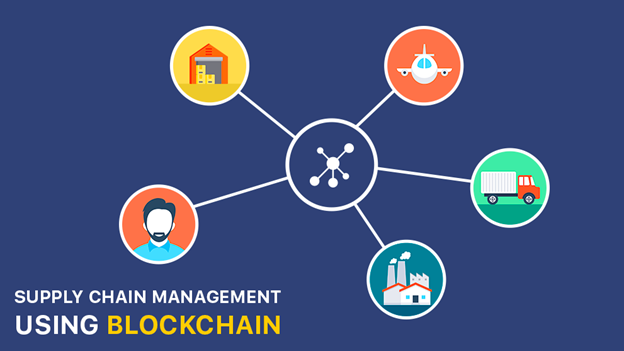
Big Data and predictive analysis transform the financial sector, improving decision making, personalization of services and efficient risk management. Blockchain technology, known primarily for its use in cryptocurrencies like Bitcoin, is emerging as a powerful and transformative solution in the world of supply chain. This article explores in depth how blockchain implementation can revolutionize supply chain operations, providing greater transparency, efficiency, and security.
Introduction to Blockchain in the Supply Chain
The global supply chain faces significant challenges, such as the complexity of supply networks, lack of transparency, and inefficiency in product tracking and authentication. With its decentralized structure and ability to immutably and transparently record transactions, blockchain can significantly improve traceability and reliability in the supply chain.
Advantages of Blockchain in the Supply Chain
Using blockchain in the supply chain has several key advantages:
- Improved Traceability : The ability to trace products from their origin to the end consumer is crucial. Blockchain allows for a detailed and permanent record of each product, making it easier to identify the source of raw materials and authenticate products.
- Transparency and Trust : By providing an unalterable record of transactions, blockchain increases transparency and fosters trust among supply chain participants, from suppliers to consumers.
- Operational Efficiency : Blockchain implementation can automate processes through smart contracts, reducing the need for intermediaries and streamlining operations.
- Enhanced Security : The decentralized and encrypted nature of blockchain offers robust security against fraud and manipulation.
Blockchain in the Supply Chain
Several industries are already exploring and adopting blockchain to improve their supply chains:
- Food and Agriculture : To ensure food quality and safety, companies like Walmart are using blockchain to track the provenance of food products.
- Pharmaceuticals : In a sector where the authenticity and safety of medicines are critical, blockchain helps combat counterfeit pharmaceuticals and ensure regulatory compliance.
- Electronics and Manufacturing : Companies like Samsung are applying blockchain to track and manage their global inventories more efficiently.
Challenges and Considerations for its use
Despite its benefits, implementing blockchain in the supply chain presents challenges:
- Integration with Existing Systems : Blockchain adoption requires careful integration with existing IT systems, which can be expensive and complex.
- Scalability : Blockchain solutions must be able to handle a large volume of transactions to be effective at scale.
- Standards and Regulation : The lack of universal standards and the evolving regulatory landscape can be obstacles to global adoption.
Future of Blockchain in the Supply Chain
Looking ahead, blockchain adoption in the supply chain is likely to accelerate. With the continued development of more scalable solutions and the creation of regulations and standards, blockchain has the potential to become a fundamental element in supply chain management. Furthermore, combining blockchain with other emerging software development solutions, such as artificial intelligence and the Internet of Things, can unlock even more possibilities for optimizing and securing global supply chains.
Blockchain Integration with Other Technologies
Integrating blockchain with other emerging technologies can amplify its benefits. For example, combining blockchain with the Internet of Things (IoT) enables real-time data collection throughout the supply chain, further improving traceability and efficiency. Artificial intelligence (AI) can analyze large data sets on blockchain to optimize logistics and predict market trends.
Success stories
There are numerous success stories that illustrate the potential of blockchain in the supply chain:
- Maersk and IBM : In their collaboration, they have developed TradeLens, a blockchain-based platform that improves information sharing and transparency in global shipping.
- De Beers : The company uses blockchain to track diamonds from the mine to the point of sale, ensuring their authenticity and ethical provenance.
These cases demonstrate how blockchain can solve specific problems in the supply chain, from improving efficiency to ensuring ethics and sustainability.
Expert Perspectives and Sector Opinions
Subject matter experts and industry leaders are increasingly recognizing the value of blockchain. They see this custom enterprise software development not only as a tool to improve current operations, but also as a catalyst for new ways of doing business. However, they also warn about the need for a careful approach, considering the technical, economic and regulatory aspects of its implementation.
Preparing for the Future: Recommendations for Companies
For companies looking to implement blockchain in their supply chain, it is recommended:
- Needs and Objectives Assessment : Identify specific areas where blockchain can provide the most value.
- Strategic Partnerships : Collaborate with software development consulting firms and other companies to share knowledge and resources.
- Focus on Scalability and Integration : Ensure that blockchain solutions can scale and integrate effectively with existing systems.
- Trend and Regulatory Monitoring : Stay up to date with emerging trends and changes in the regulatory landscape.
The implementation of blockchain in the supply chain represents a significant evolution in the way companies track, manage and secure their operations. Although there are still challenges to overcome, its potential to improve transparency, efficiency and security is indisputable. As companies continue to explore and adopt this technology in the software development service sector, we are likely to see profound transformations in supply chain practices globally.
Blockchain implementation in the supply chain is in its early stages, but the potential to revolutionize this industry is immense. Companies that adopt this technology will not only improve their current operations, but will also position themselves at the forefront of innovation in supply chain management. As we move towards a more digitalized and connected future, blockchain is emerging as a key tool to achieve more secure, efficient and transparent supply chains.