


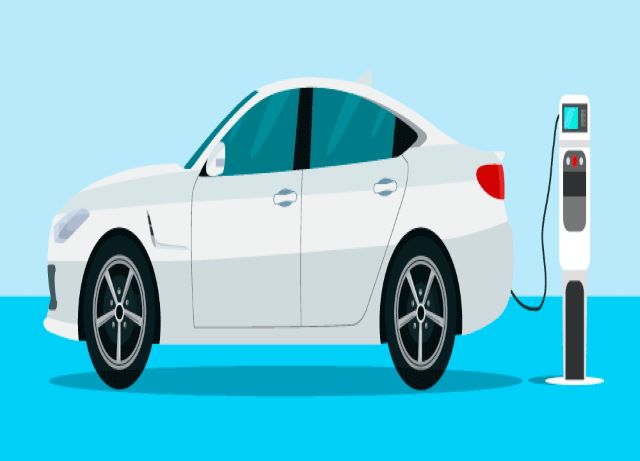
Electric vehicles are great for winter, but you need to know what you’re doing. In this article, we’ll discuss how electric cars perform in the cold and recommend some ways to prepare if you want to drive in winter without an issue.
Yes, You Can Drive Electric Cars in Winter
You can absolutely drive an electric car in winter as long as you take the right precautions and plan your trips well. Cold weather affects the battery, but not in the way many people assume. Instead of improving range, low temperatures reduce battery efficiency, which can shorten driving range.
Even with this limitation, EVs perform reliably in winter when drivers pre-heat the cabin, keep the battery charged, and use built-in thermal management systems. In fact, studies show that a battery’s capacity increases in colder weather. That means your car will have more energy available as you drive it! But there are some things you should keep in mind:
- Batteries charge more slowly in extreme cold, especially when their power level is low. At freezing temperatures, electricity moves through metals less efficiently, which slows the entire charging process.
- If you need to charge your EV in very cold weather, warm the car first. Pre-heat it for about 15 minutes before plugging it in. This quick step helps the battery reach a more efficient temperature so it can charge faster once you connect it to the charger.
Large Battery Packs and All-Wheel Drive Make a Difference
Larger battery packs give electric cars a clear advantage—especially in winter. Take the Tesla Model 3, for example. It offers a range of about 220 miles on a single charge. With the optional $750 fast charger, you can recharge it from empty in roughly 30 minutes.
Battery size becomes even more important in cold weather. Your EV uses extra energy to heat the cabin and keep the battery warm enough for efficient charging. For short trips under 40 miles, a small battery pack may be sufficient with one or two charges per day. However, long winter drives require more power. If you frequently travel over 40 miles in harsh weather and drive above 45 mph, consider an EV with a larger battery. Bigger packs not only store more energy, but they also tend to charge faster.
Cold Weather Reduces Battery Efficiency
Cold temperatures pose the biggest challenge for electric cars in winter. Batteries work less efficiently in low temperatures, and their ability to store and release energy can drop by as much as 30% once the weather dips below freezing. This reduction directly affects your driving range.
To manage this, preheat your EV before heading out on an icy day. Many drivers use an engine block heater to warm the coolant before it circulates through the system. This warms the car from the outside, allowing components to heat smoothly rather than forcing cold parts to warm themselves all at once. This simple step prevents strain, improves performance, and protects the vehicle from potential damage.
Charging Takes Longer in Winter
Your battery range may not drop significantly while driving, but charging will take longer in cold conditions. The battery must reach an optimal temperature before it can deliver full acceleration and power. If you plug in for a quick charge on a cold morning, your battery may not be fully charged by the time you leave.
Extreme cold or heat mainly affects charging speed, rather than range. Planning your charging times carefully is essential for efficient winter driving.
Also Read: 5 Best Places to Visit in Denver This Weekend with Family
It might be worth charging overnight
During summer, your EV battery requires less cooling since cars are usually parked in the shade or left with the windows slightly open. Even so, it’s smart to charge overnight if you plan to drive a long distance the next day. This ensures you reach your destination with enough power to spare.
Extreme cold creates the opposite challenge. When temperatures drop below –20°C, the battery’s internal resistance increases. As a result, the battery holds less energy and your overall driving range drops, even on a full charge.
In these cases, you should consider using an EVSE extension cable to keep your vehicle warm while charging it.
In extreme situations where the temperature is very low (-20C or lower), you may want to consider pre-heating the car (and battery) to avoid charging when it’s at its coldest point. This can be done with the car plugged in while stationary, tapping into grid energy rather than the car’s own battery. If you live in a cold-weather area, preheating the car may be a good option for you. If you don’t have access to a garage or charging station, this can be done with the car plugged in while stationary on a regular basis. This is also an option if your commute typically takes place during freezing temperatures. While it won’t charge as quickly as it would at full temperature (the battery will warm up throughout your commute), it will still get some power flowing into its cells and help keep them from getting too cold.
Electric vehicles are great in winter as long as you know how to prepare
While electric vehicles can be great in the winter, you do need to know how to prepare. In particular, cars with a large battery pack and all-wheel-drive are highly capable. In fact, they’re even better than some gasoline or diesel models in cold conditions.
The key challenge for Tesla electric cars for sale in winter is simple: cold temperatures reduce battery range. As the battery gets colder, its efficiency drops. Anyone who has been stuck on a highway with a drained battery in freezing rain knows how inconvenient—and unsafe—that can be.
To avoid this, take a few precautions.
First, run the defrosters at full power for at least 15 minutes before a long winter drive. This warms the cabin and helps the battery operate more efficiently.
Next, check that your tires are properly inflated. Cold air lowers tire pressure, which affects traction and range.
Finally, always rely on basic safety features such as seatbelts and airbags. They matter even more when winter conditions make the roads unpredictable.
Conclusion
So, are electric cars good to drive in winter? Yes—absolutely! You just need to prepare properly.
First, plug your car into a charger that can handle the required power. Also make sure the battery pack is warm before you start driving on a cold day.