


Ugandan food doesn’t chase attention. It shows up quietly, does its job, and grows on you the longer you stay. Meals are built around energy, sharing, and availability—not presentation. If you’re expecting dramatic spice or elaborate plating, you’ll miss what makes the food here work.
Most travelers encounter Ugandan food while moving between parks, lodges, and cities—often as part of Uganda luxury safari experiences where meals are comfortable but slightly softened for visitors. Step outside that bubble when you can. The everyday dishes tell you far more about the country than the lodge menus do.
This guide is based on eating where locals eat, ordering the same thing twice, and learning which foods actually travel well on long days.
Matoke
The backbone of many meals
Matoke—steamed and mashed green bananas—isn’t flashy, but it’s everywhere for a reason. Soft, mild, and filling, it acts as a base rather than a centerpiece.
First impressions can be underwhelming. That’s normal. Matoke makes sense when paired with sauce—groundnut stew, beans, or meat. On its own, it’s quiet. With the right accompaniment, it works.
Most people miss this: matoke tastes better the second or third time you eat it. Familiarity matters here.
Groundnut Sauce
Uganda’s comfort food
Groundnut (peanut) sauce shows up across the country, usually spooned over matoke, rice, or sweet potatoes. It’s rich without being heavy, nutty without being sweet.
This is one of the safest and most satisfying dishes for travelers. It’s cooked thoroughly and sits well even on long travel days.
Real-life moment: after hours on the road, this was the one dish everyone finished without hesitation. That says a lot.
Rolex
Street food done right
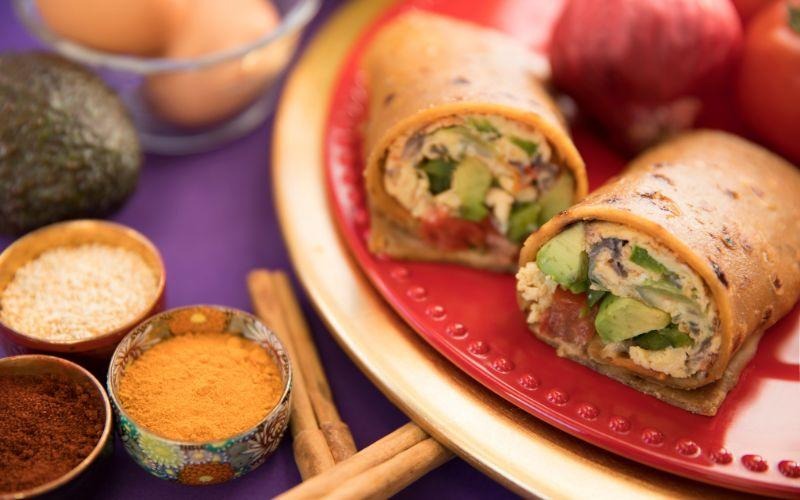
A rolex is an omelet rolled inside a chapati. Simple. Cheap. Effective.
You’ll find them on street corners, especially in and around Kampala. Eggs, tomatoes, onions. Sometimes cabbage. Sometimes avocado.
This is where trips often go wrong—people skip street food entirely. Choose busy stalls. Watch it being cooked. Eat it hot. Rolex is one of Uganda’s most reliable quick meals.
Luwombo
Worth seeking out
Luwombo is a slow-cooked dish—meat, fish, or groundnuts steamed in banana leaves. The flavors are gentle and deep, not aggressive.
You won’t find good luwombo everywhere. It’s more common at family gatherings or traditional restaurants. When it’s available, order it. Waiting is part of the process.
Most travelers miss luwombo because it’s not fast food. That’s exactly why it’s special.
Posho and Beans
Simple, filling, everywhere
Posho (maize meal) paired with beans is everyday fuel. You’ll see it at roadside stops, local cafeterias, and markets.
It’s not exciting. It’s dependable.
This is the meal people underestimate and then appreciate halfway through a long afternoon. If you’re moving between destinations or on safari drives, posho and beans keep energy steady.
Muchomo
Grilled meat with patience required
Muchomo is grilled meat—often goat or beef—slowly cooked over open flames. It’s social food. Shared plates. Fingers encouraged.
Timing matters. Rushed muchomo is tough. Good muchomo takes time.
This is where expectations go wrong—people order and expect instant service. Settle in. Order a drink. Let it arrive when it’s ready.
Fresh Fish from Lake Victoria
When it’s good, it’s very good
Near Lake Victoria, fish dominates menus. Nile perch and tilapia are common, usually grilled or fried.
Freshness is everything. Ask what’s available today. Avoid anything that feels reheated or rushed.
Best enjoyed simply. Salt. Fire. Time.
Street Snacks: Mandazi and Roasted Groundnuts
Mandazi—slightly sweet fried dough—shows up everywhere in the mornings. It pairs well with tea and doesn’t demand much thought.
Roasted groundnuts are sold by the roadside, often still warm. Simple, satisfying, and easy to carry.
These are the small foods people forget to try—and end up missing.
Food While Traveling and on Safari
Uganda’s distances are real. Days get long. Meals need to hold up.
If you’re traveling on Uganda luxury safari experiences, lodge food will be comfortable and predictable. That’s fine. Just don’t assume that’s the full picture.
On the road, cooked foods, stews, and staples like matoke and posho are safer and more satisfying than anything cold or rushed.
A Few Honest Warnings
- Start slow with spice and street food
- Eat hot, freshly cooked meals
- Don’t judge dishes on first bite alone
- Ask locals what they recommend that day
Most food issues come from impatience, not hygiene.
Final Thoughts
Ugandan food isn’t about chasing highlights. It’s about rhythm. Eating what’s available, when it’s ready, and often with other people.
Whether you’re exploring independently or balancing local meals with Uganda luxury safari experiences, stepping outside the expected menus adds depth to the trip.
Eat the same thing twice. Wait for it. Share it. That’s when Ugandan food starts to make sense.
FAQs
1. Is Ugandan food spicy?
Generally no. Heat is mild and often optional.
2. Can vegetarians eat well in Uganda?
Yes. Beans, groundnut sauce, vegetables, and matoke are common.
3. Is street food safe?
At busy stalls with fresh cooking, usually yes.
4. What’s the best food to eat while traveling long distances?
Cooked staples like matoke, beans, and stews.
5. Do safari lodges serve local food?
Some do, but often in simplified versions.
6. Will I get bored of the food?
Possibly—but repetition is part of how meals work here.