


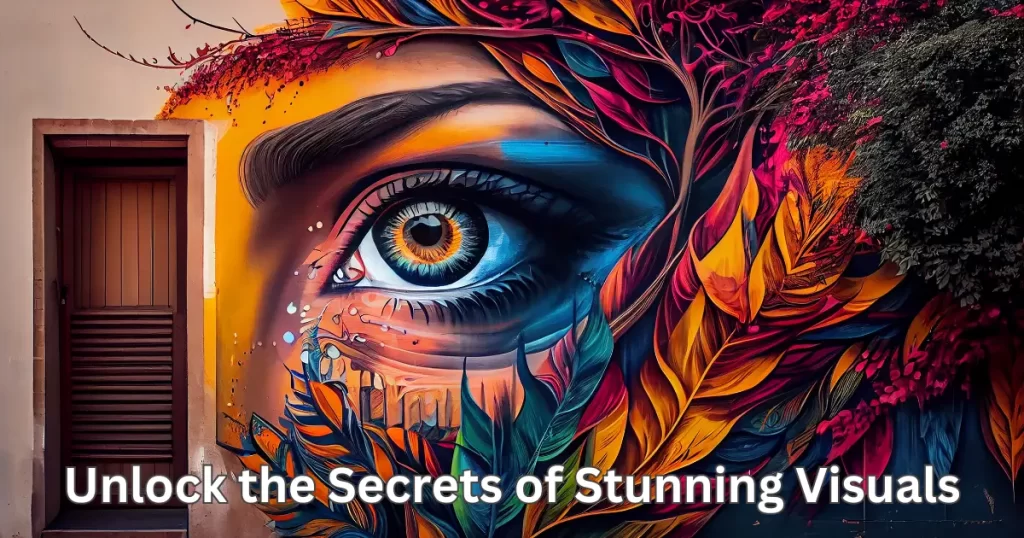
Ever felt your photos or artwork lack that certain creativity? The secret may lie in composition, the art of arranging elements within a frame to create a visually pleasing and impactful experience.
Think of composition as the foundation of your visual story. Whether you’re a seasoned photographer, a budding artist, or simply someone who wants to elevate their social media posts, mastering composition can transform the way you see and create visuals.
Importance of Composition in Visual Arts
From the iconic Mona Lisa’s enigmatic smile to the breathtaking sweep of a landscape painting, composition has always been a cornerstone of visual arts. It’s not just about technical rules; it’s about guiding the viewer’s eye, evoking emotions, and enhancing the message you want to convey.
By understanding key principles like balance, rule of thirds, leading lines, and negative space, you can consciously craft visuals that draw attention, tell a story, and leave a lasting impression. Imagine the difference between a cluttered snapshot and a photograph that effortlessly guides your gaze towards the heart of the scene.
Understanding Composition Basics
A. Definition of Composition:
Composition is the art of arranging visual elements within a frame, like photographers and videographers in London or any other places do to create stunning narratives in her work. It’s like the blueprint for your visual story, guiding the viewer’s eye and amplifying the message you want to convey.
B. Key Elements of Composition:
- Rule of Thirds: Imagine dividing your frame into nine equal squares. Placing key elements on or near the intersections creates a natural and balanced composition.
- Leading Lines: Use lines within the scene, like roads or architectural elements, to draw the viewer’s eye towards the main subject or into the image.
- Symmetry and Patterns: Repetition and mirroring can create visually pleasing order and emphasis, but too much can become static. Experiment to find the right balance.
- Framing: Use natural elements like doorways, windows, or foliage to frame your subject, adding depth and drawing attention.
- Balance and Symmetry: Distribute elements evenly across the frame for visual stability, or use deliberate asymmetry to create tension and energy.
C. Importance of Negative Space:
The empty space around your subject is just as crucial as the subject itself. It allows your image to breathe, prevents visual clutter, and emphasizes the key elements.
Remember, these are just starting points! Experiment, combine different techniques, and most importantly, have fun exploring the magic of composition.
Techniques for Effective Composition: Mastering the Visual Language (SEO Optimized)
Captivate viewers and elevate your photography/videography with powerful composition techniques. From creating depth to emphasizing key elements, these tips will transform your visuals:
A. Perspective and Depth:
- Play with perspective: Ground-level shots add drama, while bird’s-eye views offer context. Adjust camera angles to control the perception of distance and size.
- Layer your elements: Foreground, midground, and background create depth and guide the viewer’s eye. Utilize leading lines and overlapping objects for a natural flow.
B. Point of View and Angle:
- Challenge the ordinary: Don’t just shoot eye-level! Explore unusual angles to add dynamism and intrigue. A low angle can empower your subject, while a high angle offers a unique perspective.
- Empathize with your subject: Get close and personal for intimate portraits, or step back for expansive landscapes. Choose the angle that best conveys the emotion and message.
C. Use of Color and Contrast:
- Leverage color psychology: Warm tones evoke energy, while cool tones suggest calmness. Use complementary colors for vibrancy, or analogous colors for harmony.
- Embrace contrast: Play with light and dark to create visual interest and draw attention to key elements. Juxtapose textures and patterns for added impact.
D. Incorporating Light and Shadow:
- Harness natural light: Use golden hour for warmth, or overcast skies for soft diffusion. Experiment with backlighting for dramatic silhouettes or side lighting for texture definition.
- Control artificial light: Utilize shadows to add depth and dimension, or create light patterns for artistic expression.
E. Creating Depth and Dimension:
- Foreground interest: Include elements like flowers or leaves in the foreground to draw viewers in and create a sense of depth.
- Bokeh effect: Blur the background with a shallow depth of field to isolate your subject and add dimension.
F. Experimenting with Scale and Proportion:
- Emphasize size: Play with contrasting scales to create impact. Capture a tiny object against a vast landscape or vice versa.
- Breaking the rules: Sometimes, intentional distortion can add artistic flair. Experiment with exaggerated perspectives or unconventional framing.
G. Emphasis and Focal Points:
- Rule of thirds: Place your subject on intersections of thirds lines for a balanced composition.
- Isolation: Use selective focus or negative space to draw attention to your key element.
- Leading lines: Guide the viewer’s eye towards your subject with lines, shapes, or patterns.
Remember:
- Practice makes perfect: Experiment, explore, and find your unique style.
- Embrace intuition: Don’t be afraid to break the rules if it serves your vision.
- Tell a story: Use composition to guide the viewer’s journey and evoke emotions.
By mastering these techniques, you’ll unlock the power of composition to create visually stunning and emotionally engaging photographs and videos that stand out from the crowd.
So, unleash your inner artist and elevate your visual creations! Remember, composition isn’t just a set of rules – it’s a playground for exploring, experimenting, and expressing your unique vision. With practice and these core principles in mind, you’ll be crafting visuals that captivate viewers, tell powerful stories, and leave a lasting impression. Now, go forth and compose!