


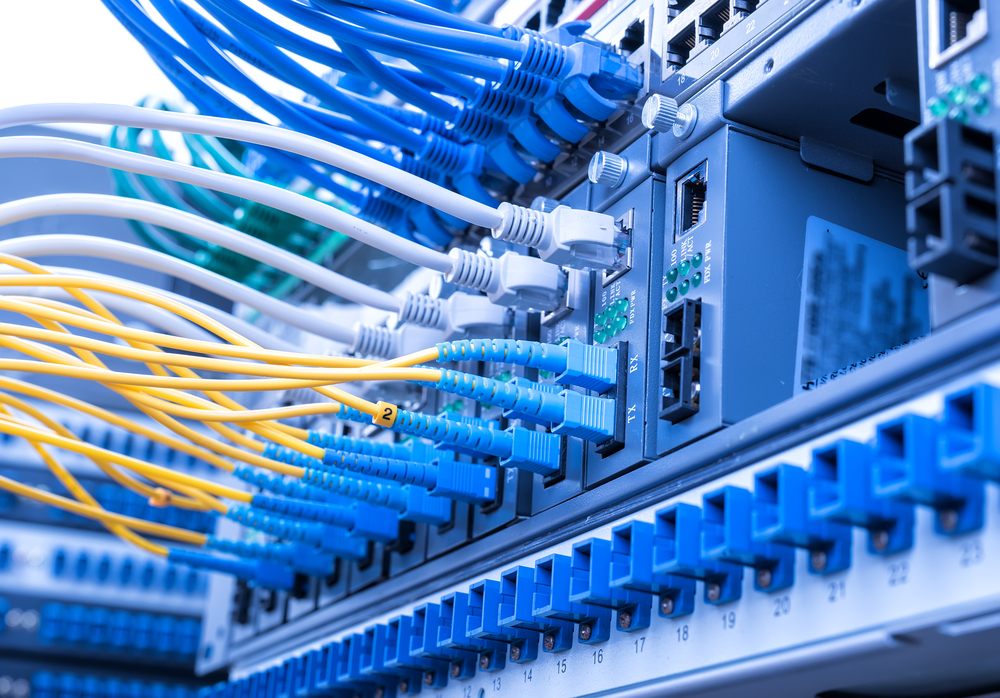
The network infrastructure is a backbone in an enterprise’s digital ecosystem as it provides a platform for user interaction with applications, devices and systems allowing for continuous data flow between departments, branch locations and cloud-based computing environments. The importance of a stable, secure and reliable network increases exponentially when businesses continue to grow and evolve. Without the right infrastructure, operations will slow and communication will cease, while also increasing the risk of cyber threats.
Enterprises today are relying on a highly structured, high-performance network infrastructure to enable automation, data analytics, remote operation capabilities and to support cloud-based workload requirements. The reliability of this infrastructure has a direct relationship with the ability to deliver network infrastructure services that meet or exceed business expectations regarding productivity, customer satisfaction and long-term sustainability.
What is Network Infrastructure
Network infrastructure typically includes both passive networking components—such as cabling, racks, patch panels and active networking components, including switches, routers, firewalls, and access points that manage and direct network traffic
Network Infrastructure is all the Hardware, Software and protocols that allow Communications inside an Organization. In addition to Routers, Switches, Cables, Firewalls, Wireless Systems, Management Tools, and Cloud Layers for Connectivity, this Infrastructure provides the underlying structure necessary for Internal Traffic, External Communication and Secure Data Transfer.
The network infrastructure also supports daily activities such as; Accessing Files, Running Applications, Connecting Devices, communicating with Clients and maintaining security across the digital environment. When designed correctly, the network becomes scalable, predictable, and resilient capable of supporting heavy workloads and future expansion.
Key Component for Effective Network Infrastructure
An effective, scalable network infrastructure will require a number of physical and logical elements to be in place and operating properly. The core elements are outlined below:
1. Structured Cabling Systems
Structured Cabling Systems (physical) support the performance of your network. If you have quality cabling that uses either copper or fiber, it provides a stable connection with low latency that can communicate reliably throughout your workstation, server room and communication room areas. In addition, structured cabling systems are designed to support future upgrades without a significant need to redesign.
2. Network Switches
Network switches manage the flow of data within your network. They connect PCs, printers, wireless access points, and servers, ensuring data packets are routed efficiently. Your enterprise-grade switch should provide you with increased bandwidth, segmentation, and a way to control and secure your data traffic.
3. Routers/Gateway Devices
Routers/Gateway devices will take the traffic from your internal network and route it to outside networks. This includes enabling safe Internet access, connecting remote office locations, establishing virtual private networks (VPN), and communicating with the cloud. Many modern routers also contain additional functions related to improving performance by managing traffic.
4. Firewall/Security Appliance Devices
Firewall/Security Appliance devices will protect your internal systems from unwanted access and malicious attacks, which can lead to a breach of sensitive information. A solid firewall/Security Appliance Layer is required to help meet regulatory requirements, minimize risks, and maintain business continuity.
5. Wireless Access Point Devices
The use of Hybrid Work Models and mobile devices has made Wi-Fi Architecture very important. Enterprise level wireless access point devices provide reliable, high density Wi-Fi coverage across all levels of an office campus.
6. Server/Virtualization Platforms
Your organization’s servers will house your organization’s applications, storage systems, databases, and enterprise software. Virtualization Platforms will provide you with the ability to manage resources flexibly, allowing you to create scalable, and cost-effective computing environments.
7. Network Monitoring and Management Tools
Monitoring and managing your network is key to preventing unexpected outages and increasing productivity. These tools provide you with real-time visibility into performance, bandwidth usage, device health, and potential security threats. Using proactive monitoring and management tools will prevent downtime and increase productivity.
Importance of Network Infrastructure
A solidly designed network will ensure that your enterprise is able to operate at its best and has numerous aspects, including performance, security, and flexibility for future development.
1. Ensures Business Continuity
A solid network establishes a consistent operational environment for all business services. The loss of these services can severely impact customer satisfaction, employees working remotely, the use of technology, automated workflow processes, and other related business functions.
2. Supports Operational Efficiency
Fast and efficient networks eliminate delays in using applications, communicating through various means and collaborating within different environments. An enhanced operations environment enhances employee productivity and overall service delivery.
3. Enables Scalability
An enterprise grows its demand for digital resources as it expands. Scalable network environments grow with new users, new locations and growing work loads without experiencing system failure or requiring large scale re-designs.
4. Strengthens Security and Compliance
Network Firewalls, segmentation, user access controls and monitoring tools help to minimize risks associated with breach attacks. The same network structure helps enterprises to be compliant with regulatory requirements concerning data protection and industry based security standards.
5. Enhances Cloud and Hybrid Adoption
Cloud-based transition environments require a consistent and reliable connection as well as architecture. A solid on-site network is necessary for securely migrating to the cloud and providing hybrid-based workflows.
Conclusion
Every business relies on the Network Infrastructure as the foundation for all its digital environments. Partnering with trusted Solution Providers such as KRK Technologies will enable organizations to create sustainable architectural designs utilizing an array of top-tier components, robust security, and scalability.
Sustainable network infrastructure solutions provide companies the ability to grow by making investments in modernized infrastructure, which will allow organizations to have long-lasting performance, security, and operational success in their networks.