


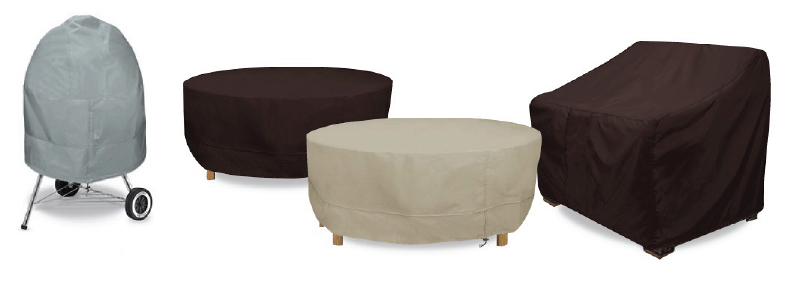
Living in a windy area comes with its own set of outdoor challenges. Patio furniture takes the brunt of it. Cushions shift, chairs fall, and even well-made furniture can face damage faster than expected. That is why outdoor patio covers become essential for protection in windy areas.
Yet, many buyers focus only on size or price and neglect the actual features that truly matter. In today’s blog, we will break down what actually makes a difference and how to choose outdoor patio covers that stay firm, protect properly, and last longer.
Wind does more than knock over lightweight chairs. It creates continuous movement, friction, and pressure against covered furniture. Over time, this action can weaken seams, stretch fabric, and expose furniture to moisture and sun damage.
In windy areas, a badly chosen outdoor furniture cover can act like a sail. Once air gets underneath, the cover lifts and rubs against surfaces. That conflict can lead to scratches or entrapped water.
This is why outdoor patio covers for calm climates often fail in open or elevated spaces. Windy conditions require a different level of design, fit, and material strength. Buyers who ignore this often end up replacing covers far sooner than expected.
Let’s take a look at some factors that will help you choose the best patio covers.
Fit Matters More Than You Think
A snug fit is the first line of defense against wind-related damage. Here are some factors to consider:
- Loose covers are the most common mistake in windy environments.
A regular outdoor furniture cover that is even slightly oversized may look fine at first, but additional fabric forms space for air to collect. Once the wind gets underneath, the cover starts lifting and rubbing against surfaces. - A snug, tailored fit dramatically reduces airflow.
Close-fitting patio covers remain in place without flying off like a sail. Size-specific shaping does us far better than universal. - Design details play a major role in stability.
Flexible hems, reinforced seams, and defined corners keep things tight. This makes the cover cling closer to the base of the furniture.
Fabric Strength and Weight Are Critical
The type of fabric used for an outdoor patio cover also determines how well it will stand up to wind.
Here are some factors to look out for:
- Lightweight fabrics struggle in windy conditions.
While such fabrics might be relatively easy to remove and store elsewhere, the thinner materials tend not to have the structure for exposed outdoor use. In strong winds, they flap too much and wear out quickly.
- Heavier fabrics offer better wind resistance.
The heavier and better-made the materials, the steadier will be the outdoor patio covers. The extra weight of the cover keeps it anchored over furniture rather than billowing like a sail.
- Woven polyester and marine-grade fabrics strike the right balance.
Primarily, these fabrics are found in high-end outdoor furniture cover designs, and they offer a combination of strength and flexibility. It is resistant to wear and can be used for a long time without tearing, stretching, or loosening.
- Breathability is just as important as strength.
A well-built patio cover allows airflow to be regulated. Integrated vents release trapped air so wind does not inflate your cover and create a sail effect. The Pentagon sources a proprietary vent that reduces moisture buildup that can cause mildew or rust.
- Better fabric design protects furniture finishes.
When airflow, weight, and durability work jointly, covers remain steady and help prevent rubbing, condensation, and surface damage.
Secure Fastening Is Not Optional
In windy locations, reliable fastening systems are essential to keep outdoor patio covers firmly in place and prevent constant shifting or lifting.
Here are some benefits:
- Multiple fastening options improve overall stability.
Tie-down straps, buckle systems, and adjustable cords all play a role in keeping an outdoor furniture cover firmly in place. Using more than one anchoring point helps spread wind pressure evenly. - Placement of fasteners matters more than most buyers realize.
Fasteners should sit low on furniture legs or bases where wind pressure is most fragile. High-mounted ties are more exposed and tend to loosen fast during winds. - Ease of adjustment is a sign of good design.
A well-constructed outdoor patio cover should clip on with little effort. They should be snug, not overly stretched or strained, once secured. - Proper fastening protects both the cover and the furniture.
When fastening systems are perfectly designed in harmony with the shape of the furniture, they will secure the cover without damaging stitching, which is great as well.
Final Thoughts
Choosing outdoor patio covers for windy locations requires more than a quick size check. Fit, fabric strength, and secure fastening all work together to determine how well a cover performs over time. When these elements are overlooked, even good furniture can suffer unnecessary wear. Well-designed outdoor patio covers help reduce movement, protect finishes, and extend the life of outdoor furniture in challenging conditions. By focusing on practical features rather than shortcuts, homeowners can protect their outdoor spaces with confidence and avoid repeated replacements in the long run.