


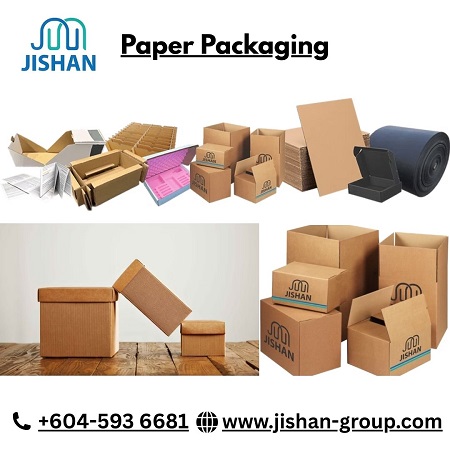
Walk into any café, bakery, or bubble tea shop in Malaysia and you’ll see one clear trend. Bags feel lighter. Cups feel sturdier. Wrappers feel cleaner. Many outlets now switch to paper packaging because customers want something safer and kinder to the planet. People pay attention. They notice what brands pack, not just what brands serve.
The shift didn’t happen overnight. It grew as diners asked simple questions. “Why so much plastic?” “Why can’t we use better materials?” “Why not choose greener options?” And slowly, the industry responded. The change now shows up everywhere, from small stalls to big chains.
Let’s break down why paper works so well for food and beverage businesses in Malaysia.
10 Benefits of Paper Packaging For Malaysian F&B Industries
Paper Packaging Helps Build Customer Trust
Customers worry about hygiene. They worry about safety. They worry about materials touching their food. Paper packaging feels clean. It feels breathable. It doesn’t trap odd smells. Also, it doesn’t feel greasy in the hand.
People link paper with care. They assume the brand pays attention. They assume the business chooses safer materials. That trust matters. Trust helps people return.
It Matches Malaysia’s Push for Greener Choices
Malaysia’s public awareness keeps rising. Consumers want sustainable packaging solutions. They want guilt-free takeaways. They want brands to care about waste management.
Paper fits well. It breaks down faster. It works with recycling systems. Also, it reduces plastic use daily. Businesses adopting paper look more responsible. They look more future-ready. They look like they listen to their customers.
Even large suppliers like Jishan Berhad now offer paper-based options to meet these needs.
Paper Holds Food Well Without Feeling Heavy
You’ve carried a plastic box before. It sweats. It warps. And it traps steam and softens fries. Paper breathes. It manages moisture better. It holds shape during short trips. Also, it keeps snacks crisp. It keeps pastries dry. It keeps your fingers from burning when you grab hot meals.
Many cafés pick paper cups and paper bowls for this reason. The feel stays pleasant. The structure stays stable. Food arrives in better condition.
Paper Packaging Supports Local Branding Efforts
Paper prints nicely. Logos look clean. Colours pop. Text stays sharp. This helps restaurants and cafés build identity fast. People carry branded bags on trains. They snap photos. They post online. Paper becomes free walking advertising.
Plastic rarely offers the same effect. Prints look dull. Colours fade. Texture feels cheap. Paper packaging simply tells a better brand story every time someone carries it home.
It Reduces Storage Headaches for Small Shops
Many Malaysian eateries run in compact spaces. Storage matters. Stacks of paper containers store neatly. They weigh less. They don’t collapse easily. Staff move them without stress.
Plastic boxes often need more space. They feel bulky. They dent under weight. Create clutter. Paper saves room and keeps operations smoother.
Paper Works for All Kinds of Food
That’s the beauty of paper. It adapts. You can pack noodles, sandwiches, pastries, fried snacks, rice bowls, cakes, wraps, and more. Paper trays hold shape. Wraps seal well. Paper cups handle both hot and cold drinks.
For busy F&B outlets, flexibility saves time. Staff don’t need ten versions of packaging. They need two or three strong paper options that work across multiple menus.
Paper Packaging Supports Health-Conscious Customers
Many diners now avoid materials with chemical concerns. They want safer contact surfaces. Paper feels natural. It gives diners peace of mind. It feels less industrial than plastic.
This small detail helps eateries attract customers who worry about long-term exposure to synthetic materials. Choosing paper makes the entire dining experience feel cleaner.
It Helps Businesses Comply With Community Expectations
Residents in many Malaysian cities push for better waste habits. Some neighbourhoods encourage recycling. Some events ban single-use plastics. Cafés and stalls using paper packaging find it easier to meet these expectations.
When businesses adapt early, they avoid sudden changes later. They look prepared, not pressured.
Paper Supports Better Heat Control
Food temperature matters. Too much trapped steam ruins meals. Too much leakage ruins deliveries. Paper manages heat better than plastic. It keeps hot food warm but not soggy. It lets small amounts of air escape without losing stability.
Delivery riders appreciate this. Customers appreciate this. Businesses avoid complaints about soggy fries and damp fried chicken.
Paper Packaging Connects With Global Trends
The world moves toward greener packaging. Tourists notice this shift. Travelers expect sustainable packaging solutions in modern eateries. Malaysia’s F&B scene grows stronger when it matches global expectations.
Paper packaging helps local brands stay competitive, especially in tourist-heavy areas. The move helps attract international customers who already practice eco-friendly habits at home.
Some suppliers, including Jishan Berhad, support this shift by offering options designed for food safety and daily use.
Final Thoughts
Paper packaging isn’t just a trend. It’s a practical choice for today’s Malaysia. Firstly, It supports cleaner habits. It protects food quality. It strengthens business identity. And, it aligns with modern customer expectations. LastIy, it helps shops run smoother in tight, busy kitchens.
Food and beverage businesses gain a lot when they switch to paper. Diners feel happier. Staff feel less stressed. The planet gets a small break. And the industry takes a smart step forward.
Key Points
- Paper packaging builds customer trust fast.
- It supports sustainable packaging solutions efforts nationwide.
- It keeps food stable and improves takeaway quality.
- It boosts branding and commercial appeal.
- It fits small kitchens and tight storage spaces.
FAQs
1. Why do F&B outlets prefer paper packaging now?
It feels cleaner, safer, and supports eco-friendly habits.
2. Does paper packaging hold food well?
Yes. It manages heat and moisture better than many plastics.
3. Are paper options good for branding?
Very. Printing looks sharp, clean, and eye-catching.