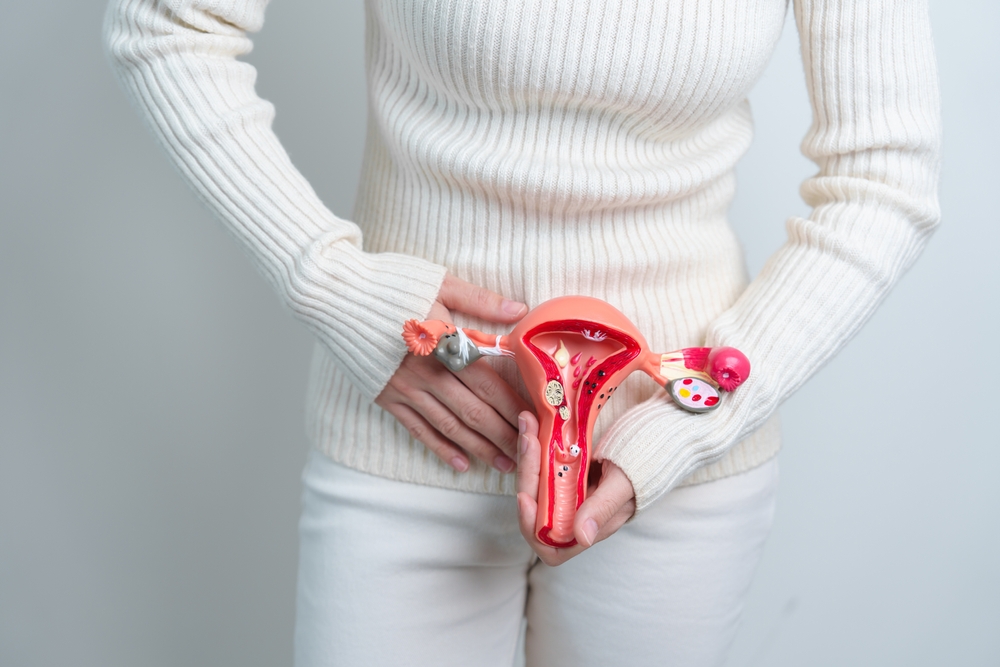
PCOD (Polycystic Ovarian Disease) is a very common endocrine-related problem in women today. Because of changes in their lifestyles, stress, and eating habits, the incidence of women suffering from PCOD has gone up. But lack of awareness in women often leads to late diagnosis and treatment.
Women often remain unaware for long years before realizing that PCOD could be the possible cause behind their symptoms. PCOD requires proper understanding for better management and prevention of further complications. The article will provide information about what PCOD is, what causes this disorder, symptoms exhibited by women, methods available for treating PCOD, and the need for properly incorporating changes in lifestyle and food habits into the daily routine for better results.
What Is PCOD?
PCOD is the abbreviation for Polycystic Ovarian Disease. If you are looking for PCOD Kya Hai, it is a situation where a woman’s ovaries begin to produce a lot of “male” hormones called androgens. Because of the hormonal imbalance in the body, many small follicles are formed in the ovaries but do not ripen and hence ovulation becomes irregular.
A normal menstrual cycle will witness the release of an egg by the ovaries every month. However, PCOD may lead to irregular occurrences of ovulation, causing periods to become irregular, along with instances of skipped menses.
For a proper understanding of PCOD in a simpler manner, you can also refer to this informative article:PCOD Kya Hai
PCOD can be controlled, and with proper lifestyle modifications and medical interventions, women with PCOD can lead a completely normal life.
Causes of PCOD
PCOD does not develop due to one sole cause; it develops by the culmination of multiple factors. These factors work in tandem with one another and worsen symptoms if left untreated early.
Hormonal Imbalance
In PCOD, excessive production of androgen impairs the normal release of the eggs through the ovaries. This hormonal disturbance affects menstrual periods or may cause acne, hair growth, and weight gain.
Insulin Resistance
Many women with PCOD also have insulin resistance, in which the body cannot use insulin properly. This, in turn, raises the levels of insulin, stimulating the ovaries to secrete more androgens and thereby exacerbating the symptoms of PCOD.
Genetic Factors
PCOD can be hereditary. If a close family member has PCOD, the risk of developing it increases.
Lifestyle Factors
Unhealthy eating habits, not enough exercise, sleep disorder, and chronic stress significantly contribute to triggering or worsening PCOD.
Common Symptoms of PCOD
PCOD symptoms can be different, but they often begin gradually and worsen with the passage of time.
Women with PCOD can have:
- Irregular, late, or skipped periods
- Sudden weight gain, especially in the abdomen
- Excessive facial or body hair growth
- Acne that is persistent; oily skin
- Thinning of hair or excessive hair loss
- Mood changes and fatigue
- Difficulty conceiving as a result of irregular ovulation
Because not all women have the same symptoms, many cases of PCOD go for years before the diagnosis is made.
How Is PCOD Diagnosed?
Diagnosis of PCOD usually entails a medical background and tests. The doctors go over menstrual history, symptoms in the body, and lifestyle. Blood tests help identify the level of hormones, and ultrasound scans check on the structure of the ovaries.
Diagnosis relies on overall patterns and not on any single test result, making early consultation important if symptoms appear.
Treatment Options for PCOD
PCOD does not have a permanent cure, but the problem can be kept under control effectively by proper treatment.
Doctors prescribe certain medications that can regulate menstrual cycles, balance hormones, or increase sensitivity to insulin. These treatments reduce symptoms and prevent complications.
Lifestyle modification also plays an important role. Regular exercise, weight management, and control of stress drastically improve hormonal balance and general health.
Best Diet for PCOD Management
Diet is a vital factor in controlling PCOD naturally. A balanced diet helps in controlling insulin levels and reducing hormonal imbalance.
Foods to Include
Whole grains rich in fiber, fresh vegetables, fruits, lean proteins, nuts, and seeds all support hormone balance and digestion.
Foods to Avoid
Refined sugar, processed foods, fried items, sugary drinks, and excess caffeine will aggravate insulin resistance and symptoms related to PCOD.
Eating smaller portions of more balanced meals frequently supports better metabolism and symptom control.
Can PCOD Affect Pregnancy?
Yes, PCOD can affect ovulation and make conception a little more difficult. However, most women with PCOD have been known to conceive naturally with some lifestyle changes and minimum medical intervention. Using tools like a pregnancy calculator will help identify the fertility timelines and better understand ovulation and due dates.
For comprehensive reproductive and maternal health information, exploring a trusted pregnancy guide in hindi can be beneficial for women planning pregnancy.
Can PCOD Be Controlled Naturally?
Yes, symptoms of PCOD can be managed through natural means with continuity. More significantly, regular exercise, nutrition, relaxation techniques such as yoga, meditation, and good sleep all help in balancing hormones.
Natural management works best when adopted as a long-term lifestyle rather than a short-term solution.
Final Thoughts
Understanding what is PCOD helps women take timely action and avoid long-term health issues. Though PCOD is a chronic condition, early diagnosis, proper guidance by the doctor, and making healthy choices towards lifestyle can help improve quality of life significantly.
Most women with PCOD can manage its symptoms with awareness, patience, and consistency and thus live healthy, confident lives.