


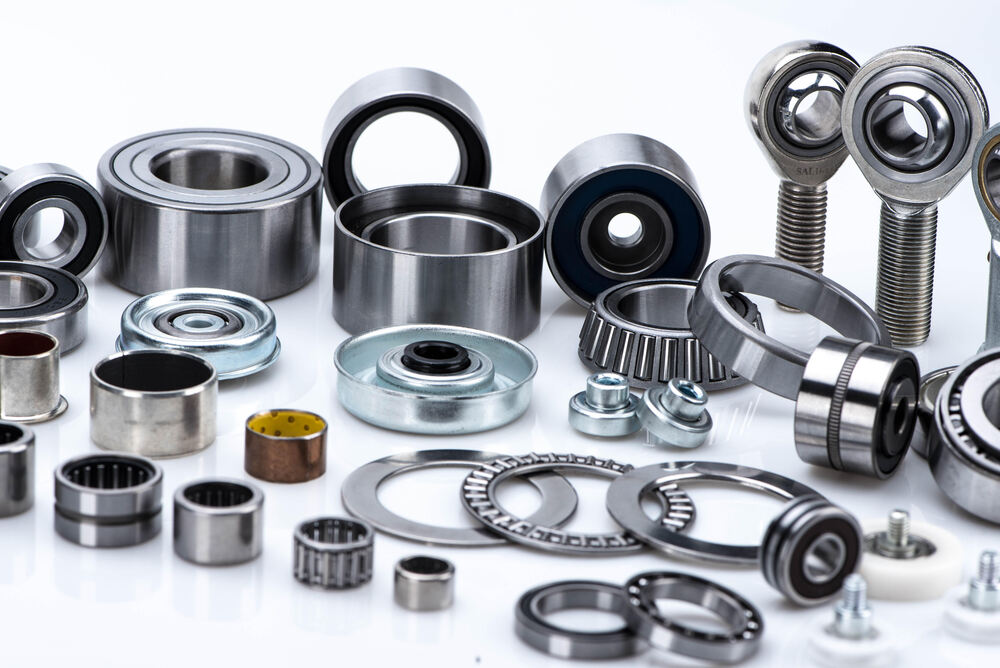
From large conveyor systems to sturdy agricultural equipment in the heartlands of Maharashtra, in the realm of industrial machinery, the dependability of rotating shaft operation is essential.
This dependability is mostly dependent on a key element: the pillow block bearing. Designed to hold a spinning shaft on a parallel mounting surface, these installed bearing units can handle many loads and allow misalignment.
But their lifetime and efficiency are not natural; they are directly the product of careful maintenance and good installation.
While a carelessly managed pillow block bearing may cause early failure and expensive unexpected downtime and possible damage to related equipment, a well placed and well-maintained one may provide years of trouble-free operation.
To guarantee optimal performance and lifetime, this book offers a full summary of the recommended methods for mounting and maintaining your pillow block bearings.
Pre-installation Prepare: Start Smart
Good prework prepares the ground for long-term performance even before the wrench touches the bolt.
- Check the shaft: To be sure it is straight, spotless, burr free. Micrometer readings help to confirm if the bearing’s inner bore matches the diameter.
- Check orientation: Bearing directions for load handling and grease fittings are sometimes clear-cut. Install them facing the appropriate direction by looking over the manufacturer’s schematic.
Installation in 5 Clear Steps
Let us proceed through installing a basic pillow block bearing:
1. Place and straighten the unit
Slide the shaft into position on the mounting base using the pillow block. Make that the bearings’ center line matches the shaft center and that the shaft spins smoothly before bolting anything down.
Pro Tip: Keep everything matched properly using alignment tools such a straight edge or laser.
2. Secure the Housing
Hand-tighten the mounting bolts once aligned. Tighten them diagonally and progressively then to equally apply clamping force. One side over-tightening might tilt the housing or strain the bearing.
3. Shaft Lock
Pillow block bearings use set screws, eccentric locking collars, or adapter sleeves to attach to the shaft. Make sure to follow the manufacturer’s recommendation for torque carefully because if it is too loose, the shaft may slide; if it is too tight, there is a possibility of damaging the raceway.
4. Lubricate as Needed
Several pillow block bearings arrive pre-lubricated. Others call for grease added via the built-in zerk fitting. Choose the grease type recommended for your use—food-safe, marine-grade, or high-temp, for example.
5. Last Test
Once completely mounted, manually spin the shaft. Listen for binding, grinding, or resistance. Any problems here would indicate incorrect locking or misalignment.
Preventive Maintenance: Safeguards Your Outlay of Funds
If the installation is good the performance of your bearing mostly relies on the treatment it gets during its lifespan.
Plan Lubrication
Frequently? Usually every one hundred to five hundred running hours. High-load or high-speed operations call for more regular maintenance.
How much? Just enough to show new grease at the seal; over-greasing may blow out seals or produce drag.
Tip: Think about smaller lubrication intervals if your bearing is outside in dust, water, or chemicals.
Regular Inspections
- Look for unusual vibration or noise.
- Feel the casing after the machine operates; red flags include high heat.
- Check texture and color of grease. Milky grease would suggest water penetration; gritty grease would suggest contamination.
Clean Surroundings
Build-up of trash surrounding the house may damage seals and restrict ventilation, which causes overheation. Regular cleaning of the region guarantees that your bearing runs in a healthy surroundings.
When Things Go Wrong: Indices When Replacement Is Need
- Bearing wear down occurs even with excellent maintenance. These indicate that your pillow block bearing could be almost retired:
- Strange Noises: Clunking, grinding, or squealing when in motion
- Visible Wear: Seals’ cracks, corrosion, or grease leaks
- Unusual Shaft Movement: Too much play or trouble firmly securing the shaft
- Increased Vibration: Usually seen in formerly flawless devices
- Don’t wait to repair defective bearings; they may compromise gear assemblies, belts, and shafts.
Effective Practices for Extended Performance
- Establish these sensible routines to maintain seamless operations:
- Put the date of installation and last lubrication on every bearing.
- Keep a service interval and result journal.
- Where you can, standardize bearing sizes across your fleet to streamline inventory.
Guide the technicians or operators the essentials of bearing maintenance; most mistakes result from ignorance rather than intention.
Conclusion
Though it’s not rocket science, installing and maintaining a pillow block bearing calls for correctness, care, and few mechanical sense. These small parts will silently run your equipment for years to come with the correct preparation and frequent maintenance.