


Travelling offers you the unique opportunity to experience a variety of different cultures and lifestyles, as you adventure to different parts of the world. For some travellers, going to one location is enough to satisfy their thrill for adventure, but others prefer to tick off multiple cities and towns in one trip as they go from country to country. This way of travelling gives you more opportunities for exciting exploration, but it can take a lot out of you trying to find the best ways to get around.
When you’re planning your trip, you should consider the travel methods you’re going to be taking along the way. While the options from getting from point A to point B the quickest is by far the most appealing, this can often increase your carbon footprint and further damage the environment. For example, taking an airplane from place to place is only recommended for long distance travel, when there’s no other way of getting there within a reasonable amount of time.
This guide will explore how you can minimise your carbon footprint while travelling, so you can take better care of the environment as you get around. Continue reading to find out more.
Green Ways to Travel
Cycling
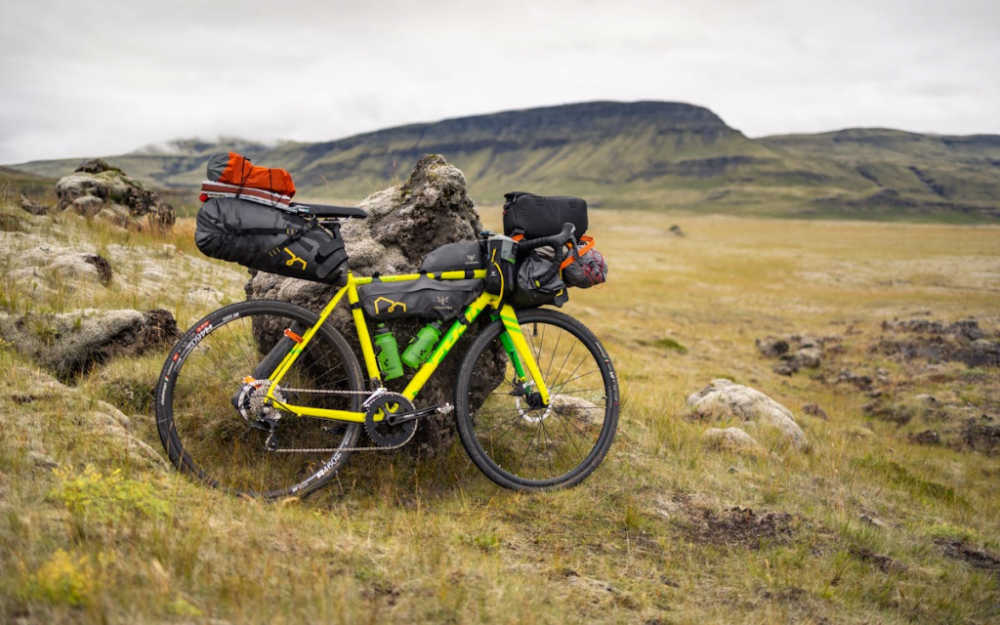
There’s no more fulfilling way of getting around a city than cycling. Not only is it the healthiest travel method, giving yourself a full workout as you get from one place to another, but it’s also a zero-emission travel method that will significantly reduce your carbon footprint. Knowing you’re making a real difference to the environment by not using a transport method that uses gas or petrol. Cycling is also great for sightseeing, as you can traverse beautiful scenery at your own pace and take it all in.
Public Transport
Using public transport significantly reduces per-passenger carbon emissions, air pollution and traffic congestion by moving more people in fewer vehicles. This makes it far more efficient than individual car use, especially trains and buses which offer major CO2 savings compared to driving. This supports cleaner air and improves the chances of achieving net-zero goals. Rail travel is the most efficient, as it’s the quickest way of ground travel and uses less emissions than road vehicles.
Carpool
Sharing a vehicle with as many people as possible will reduce your carbon footprint. Finding a few people to carpool with is an effective method of getting around, especially if you meet some like-minded individuals who want to travel to the same destinations as you. It can add an element of fun to getting around too, as you can all share stories while on the road. If you have a really large group, you can get transport training and hire a minibus to take everyone around.
Offset Emissions
Purchasing carbon offsets allows you to compensate for the emissions that you can’t reduce yourself. This helps you contribute to a project that reduces carbon emissions in another part of the world. For example, a project could neutralise existing emissions through rainforest restoration or prevent future ones by installing wind turbines. These projects also support community development and protect important habitats.
Choose Eco-Friendly Hotels
Reducing your carbon footprint while you travel isn’t just about how you get around, as your accommodation can also play a big part. When booking a hotel, opt for one that is dedicated to reducing its carbon footprint. To check if a hotel or hostel is active in becoming sustainable, you can start by visiting their website and seeing if they have any updates of their activities. Most hotels that are doing something to combat their carbon footprint will be talking about it on their website.
Eat Locally
When you eat locally from the places that you visit during your travels, you will lower your carbon footprint by cutting food miles. It means you aren’t advocating for long-distrance transport of consumable food, as you are eating locally sourced ingredients. Supporting local farming practices over energy-intensive industrial methods is also important during your travels, as you can even get involved with some farm volunteering as you get around Europe.
Refuse Single-Use Items
While you’re adventuring, you should refuse items that you can only use once. This will cut out energy-intensive production and waste management processes associated with disposable products. Almost all single-use plastics are derived from fossil fuels and their entire lifecycle will release greenhouse gases. Plastic bottles are a big problem, so having your own metal flask is recommended for greener travel.
Final Thoughts
Having a greener approach to travel will reduce your carbon footprint, while also enhancing your experience. No matter what green activity you’re doing, you are ensuring that your presence. Has a positive impact on both the local community and the global climate. If you follow the steps in this guide, you can satisfy your wanderlust while keeping your carbon footprint light. And your conscience clear.