


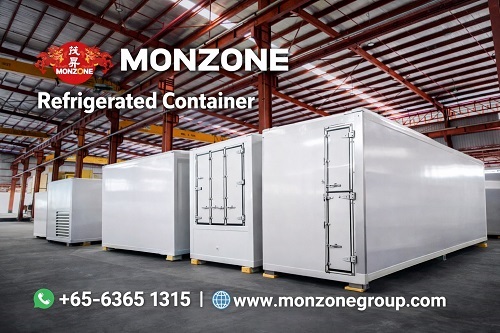
Fresh food, medicine, and flowers travel very far to reach people around the world. These items spoil quickly without proper care during their long journeys. Keeping the right temperature is vital to save quality and stop waste. Special shipping boxes with built-in cooling systems resolve this problem well. A refrigerated container works like a moving cold room on ships, trains, and trucks. It keeps products at steady temperatures no matter the outside heat or cold. Across continents and seasons, nations can share food thanks to this technology. People now enjoy fresh food all year round thanks to these smart tools. The system also cuts down spoilage, which saves money and goods for all.
How Cool Boxes Work
These special boxes look like normal shipping containers but have complex inner parts. A built-in cooling machine pushes cold air through the whole space. Sensors check inside temperatures all the time to keep exact settings. The system changes itself when the outside weather shifts during the trip.
Main Parts That Make These Boxes Work
- The cooling machine sits on one end and pushes cold air through the box. It runs on power from the ship or a generator during travel. This part works non-stop to hold the set temperature.
- The foam layer fills the walls with special stuff that traps cold air inside. It blocks outside heat from warming up the cargo space. Adequate foam means the cooling machine does not have to work as diligently
- The brain box uses sensors to watch temperatures every second of the trip. It turns the cooling on and off to keep things steady. Alerts sound if anything goes wrong with the system.
These components collaborate to protect goods during transportation. Each piece plays a key part in keeping temperatures steady through the trip.
Why Temperature Matters for Different Goods
Many products need exact temperature ranges to stay fresh and safe. Fruits and veg need cool but not freezing temps during travel. Meat and fish need much colder temperatures to stop bacterial growth. For shots and medications to remain effective, temperature control is crucial. A single reefer container can handle many different needs with careful setting.
Product Types With Different Cooling Needs
- Fresh foods, like fruits and vegetables, need cool air above freezing point. Too much cold hurts cell walls and turns them soft. Too little warmth lets ripening speed up too fast during travel.
- Frozen items need a profound cold way below zero degrees at all times. Any thawing ruins texture and lets bacteria grow again. Ice must stay frozen solid through the whole trip.
- Medical goods need exact temperatures without any changes during travel. Shots lose power if they get too warm, even for short times. Some meds need cold chains that never break from the factory to the clinic.
Each type needs different settings that workers must set right before loading. Mistakes in temp choice can ruin whole loads worth huge money.
Temperature Needs for Food Items
Milk and cheese need steady cool temperatures throughout their whole trip. They go bad fast if the cold chain breaks, even for a few hours. Frozen foods need a deep cold that stops ice from melting and refreezing.
Smart Tech in New Cooling Boxes
Today’s cooling boxes use smart tech way past simple cooling. Computer brains handle every part of the cooling cycle on their own. Faraway watching lets shipping firms check conditions from anywhere in the world. Alerts warn staff right away if temps leave safe ranges.
Tech Features That Boost Safety
- Smart eyes placed through the box send steady temp updates to screens. They find hot spots that might spoil goods near those areas. Workers see just what happens inside without opening the doors.
- Faraway Watching lets firms check their load from anywhere using phones. Alerts come right away if temps move outside the safe range. Staff can act fast even when boxes travel across oceans.
- Data keepers make full temp stories for every single trip. Buyers check these logs when goods arrive to confirm proper care. This proof helps settle fights about who caused any problems.
These tech features turn simple boxes into smart shipping tools. They provide insights that never existed before in world trade.
How These Boxes Help World Food Supply
Countries now depend on each other for food throughout the year. A refrigerated container makes this world swap possible and steady. Summer fruits from one side reach winter tables in another place. Rare foods travel from farms to far cities without losing quality.
Ways These Boxes Help World Trade
- Making food last longer lets it travel weeks without spoiling during the trip. Farmers can ship food to lands far from their farms. The process reaches buyers who cannot grow those foods in their climate.
- Cutting waste means less food gets tossed before reaching hungry folks. Good cooling keeps harvests fresh until they get to markets worldwide. This approach conserves the resources required to cultivate food that remains uneaten.
- Making changes lets farmers in poor areas sell to rich lands far away. They obtain better prices than local markets could ever pay them. This money lifts whole towns and makes jobs for many folks.
These gains show why cooling boxes have changed world trade so much. They link growers with buyers who were out of reach before.
Cutting Food Waste Worldwide
Spoilage used to wreck huge amounts of food during travel in the past. New cooling cuts these losses big time by keeping perfect conditions throughout. Farmers can now send food to far markets that once seemed out of reach.
Different Kinds of Cooling Boxes for Various Needs
Not all cooling boxes work the same way for every load type. Some units focus on keeping one steady temp through the whole trip. Others can make different temp zones inside the same box. Workers pick the right type based on what they plan to ship.
Box Types for Different Loads
- Standard cooling boxes keep one steady temperature throughout the whole space. They work well for loads carrying just one type of product. Most food trades use these common boxes every day.
- Air control boxes also handle oxygen and carbon dioxide inside the box. Changing these gases slows down how fast fruits and vegetables ripen. This allows for longer travel times without quality loss.
- Multi-temp boxes split the inside into zones with different temp settings. Frozen items can travel next to cool goods in one single box. This bend helps small shippers fill their space all the way.
Picking the right box type matters just as much as setting the right temps. Each kind serves clear aims that match different load needs.
Care Steps That Keep Goods Safe
The right use of cooling boxes needs careful steps from all who handle them. Workers must cool the empty box before loading any temp-sensitive goods. Items need to be cooled to the right temp before they go in the box. Packing styles affect airflow, so the stack must let air move around all packs.
Key Steps for Safe Care
- Cooling the empty box brings its inside temp to the right level first. Loading warm goods into a hot box strains the cooling system too much. This simple step stops temp spikes that hurt cargo.
- Chilling goods before loading means items go in already at their target temp. Warm items take too long to cool down inside the box. This causes water loss and quality issues for soft items.
- Leaving space for airflow between packs lets cold air reach every pack. Stacking too tightly makes warm spots where spoilage starts unseen. The right styles ensure even cooling throughout the whole space.
These care steps need training and focus from all who touch the load. Skipping any step risks the whole load, no matter how effective the gear.
Final Thoughts
Cooling boxes have changed how the world shares food and meds across borders. These moving cold rooms keep perfect temps from loading to drop-off anywhere on earth. Smart tech watches every moment of the trip and warns staff of issues fast. Different box types take everything from fresh fruit to frozen shots with ease. The right care by trained staff makes sure this pricey gear works as intended. The end hits tables everywhere with fresh, safe goods available all year. Firms like Monzone Group give these key tools that keep world supply chains moving smoothly. Their gear helps farmers reach markets and sick folks get meds on time. Such tech truly makes the world smaller and healthier for all.
Common Questions
What range can a refrigerated container hold during travel?
Most units keep temperatures from minus thirty degrees to plus thirty degrees Celsius. This wide range holds everything from frozen fish to warm fruits.
How long can a reefer container run without outside power?
New boxes run on power sets for many days without shore power. They switch on their own between power sources during travel on ships or trucks.
Do these boxes work for shipping meds and shots?
Yes, drug firms use them for temp-sensitive med shipments worldwide. A special watch keeps shots good throughout the whole trip.
What if the cooling breaks down during a long sea trip?
Backup systems kick in right away, and alerts warn shore staff of the issue. Fast action usually stops cargo loss before temperatures rise too high.