


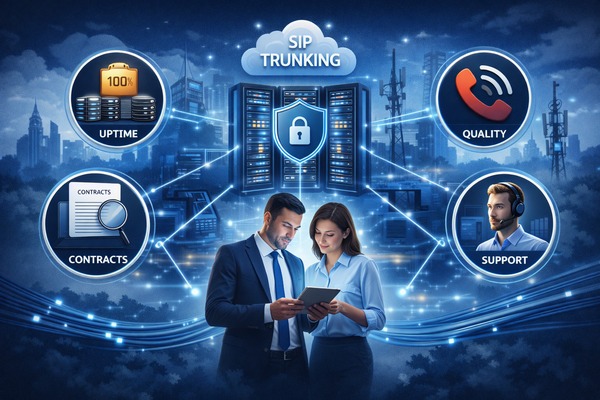
Companies need communication. Phone calls are still important for businesses.. Old landlines are being replaced by new technologies. One of the important technologies is the SIP line.
Understanding SIP lines helps businesses choose the communication system. It also helps reduce costs. SIP technology works with VoIP systems. It allows businesses to make and receive calls over the internet.
This approach makes communication simpler. It also provides scalability and advanced features.
What Is a SIP Line?
A SIP line is a phone line. It uses the internet to transmit voice calls. The technology behind it is called Session Initiation Protocol trunking. It enables communication between devices and phone systems over the internet.
Using physical copper telephone lines a SIP line connects a company’s telephone system to the internet. Voice signals are converted into data. They are sent through networks to reach the recipient.
Because the system operates digitally, companies can manage calls at the same time. They do not need to install physical lines.
How SIP Lines Work
To understand SIP lines it is helpful to look at how they function with VoIP.
A SIP line works by establishing a connection between a VoIP system and an internet service provider. When a user makes a call using a VoIP phone or a softphone application the system converts the voice into packets.
These packets travel through the internet. They are reconstructed into audio at the receiving end. The process happens quickly. It feels like a phone call.
This system is often supported by SIP trunking. It allows businesses to manage virtual phone lines through a single internet connection.
The Role of SIP Trunking in VoIP Systems
SIP trunking plays a role in modern business communication systems. It allows organizations to connect their phone infrastructure to external networks using the internet.
Through SIP trunking businesses can replace telephone circuits with digital connections. This approach reduces infrastructure costs. It also allows companies to scale their phone systems easily.
For example if a company needs to add employees to its call center it can simply add more SIP lines. It does not need to install hardware.
SIP trunking is widely used in telephone VoIP systems. It provides flexibility and scalability.
Benefits of Using SIP Lines for Businesses
Businesses adopt SIP technology because it offers advantages.
Lower Communication Costs
One of the noticeable benefits is cost efficiency. Traditional landline systems require infrastructure. They also have charges for long-distance calls. SIP lines rely on internet connectivity. This significantly reduces call expenses.
Scalability
Companies can easily. Remove lines. They do not need installations.
Improved Flexibility
Employees can connect to the system from devices. These include computers, smartphones and VoIP phones. This flexibility supports work and distributed teams.
Advanced Features
A modern VoIP telephone system often includes features. These are call routing, voicemail to email automated attendants and call analytics. These tools help businesses manage communication efficiently.
SIP Lines vs Traditional Phone Lines
Understanding the difference between lines and SIP lines helps businesses make informed decisions.
Traditional phone systems rely on wiring. Each phone line must be installed separately. Expanding the system can be expensive.
In contrast a SIP-based internet phone system operates digitally. Multiple virtual lines can function within the connection. This allows businesses to handle call volumes without increasing hardware.
This digital approach also makes it easier to integrate communication tools with business software systems.
Devices Used with SIP Lines
Businesses can use devices to access SIP communication systems.
- One of the common devices is the VoIP phone. It looks similar to a desk phone but connects directly to the internet.
- Another option is softphone software. It is installed on computers or smartphones. These applications allow users to make calls using headsets or built-in microphones.
Both options work with a telephone VoIP system. They allow companies to maintain communication across multiple platforms.
Why Businesses Are Switching to VoIP Systems
The shift from phone systems to VoIP technology is largely driven by efficiency and adaptability. Businesses want communication tools that support work environments.
A business telephone system built on VoIP technology allows organizations to connect employees, customers and partners easily. Teams can collaborate across locations. They do not rely on infrastructure.
In addition an internet phone system can integrate with digital tools. These include customer relationship management software, call analytics platforms and support systems.
This integration helps companies streamline operations. It also improves customer service.
Sip Trunks UK Provider in the UK
In the UK Wavetel Business provides Sip Trunks UK solutions designed for stability and easy integration. Of focusing on technical jargon the emphasis is on reliable SIP trunking infrastructure that supports modern business telephone system requirements. For companies navigating the UK network transition dependable service is more valuable than features. Speak with Wavetel Business to discuss scalable SIP Trunking solutions tailored to your operational needs.
Conclusion
Understanding SIP lines is essential for businesses. They are exploring communication solutions. Mental health apps in uk allows organizations to replace telephone lines with flexible internet-based connections.
With the help of SIP trunking companies can manage calls through a single network. They can reduce infrastructure costs.
When combined with a VoIP telephone system and devices such as VoIP phones SIP lines create an efficient communication environment. It supports both office and remote teams.
For businesses looking to modernize their communication infrastructure, adopting a SIP-based system is often a choice.
Frequently Asked Questions
What is a SIP line in terms?
A SIP line is a phone line. It allows calls to be made over the internet.
How is SIP different from phone lines?
Traditional phone lines use wiring. SIP lines operate digitally through internet connections using VoIP technology.
What is SIP trunking?
SIP trunking connects a company’s phone system to the internet. It allows multiple calls to be handled simultaneously.
Do businesses need phones for SIP?
Businesses can use VoIP phones, softphone software or other internet-connected devices.
Is SIP suitable for businesses?
Yes. SIP systems are scalable and cost-effective. They are suitable for both businesses and large organizations.