


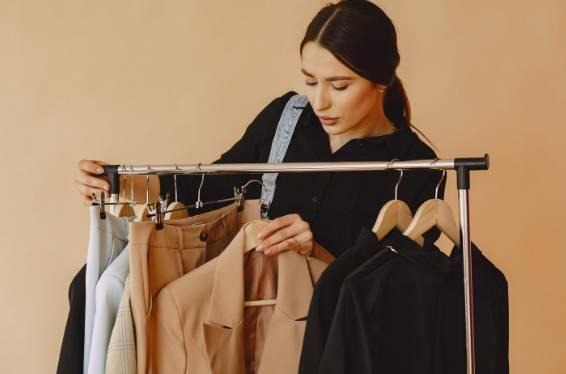
In today’s society, fashion is not only an outward sign of style, it also reflects values more today than in the past. With climate change and environmental destruction being part of the daily conversation, many have changed the way they think about how their clothing affects the world they live in.
There is a perception that when thinking of sustainable clothing, people equate it with spending tons of money because it is only for the luxury subculture. The simple facts are, you do not have to have a luxury budget to have a thoughtful, responsible wardrobe.
With some planning and creativity and thinking about what we choose to wear, it can be possible to devise a wardrobe that is responsible, without a budget that will break the bank.
What Is Sustainable Fashion?
Sustainable fashion is the concept of producing clothes that are eco-friendly and also socially beneficial for those who produce them. It can include fabrics that are responsibly sourced; practices that reduce waste; ethical labor; and in general a commitment to making clothes that last rather than be discarded.
Traditionally, fast fashion not only has produced fast and cheap clothing but also fast fashion produces guilt about destroying the planet through waste and carbon emissions. Sustainable fashion seeks to address this guilt with quality, recycling products, and full transparency about how the product was made.
According to Dataintelo, “The global sustainable fashion market size is projected to reach USD 15.3 billion by 2032, growing at a Compound Annual Growth Rate (CAGR) of 9.1% from USD 7.8 billion in 2023.”
Why Choose Sustainable Fashion?
Prior to examining any action steps it is first important to acknowledge what sustainability means in the clothing industry.
- Environmental footprint: The clothing industry is one of the world’s highest polluting industries. Cotton farming generally also requires considerable amounts of water and other resources, then every time synthetic/blended clothing is washed even more microplastics are released into the waterways to further pollute the planet at every stage of clothing production.
- Waste: On top of that, over 92 million tons of textile waste ends up in landfills every year as well. In summary, selecting sustainable clothing options is one way to support a downward movement in the ongoing landfill crisis.
- Ethics: Many fast fashion and mass-market retailers rely solely on exploiting labor while supporting brands that respect living wages, fair treatment, working conditions is a first step towards earning, their right to earn, a living wage in working conditions we would impose for ourself and children.
- Self-fulfillment: Lastly, an appreciation for mindfulness, for creativity, for pride, in the decision to wear clothing that you can feel confident, comfortable and proud to wear will emerge through the experience of curating a sustainable wardrobe.
How to Build an Eco-Friendly Wardrobe on a Budget
You don’t have to overhaul your entire closet overnight. A sustainable wardrobe evolves through mindful decisions and gradual changes. Here’s how to do it affordably.
1. Start with What You Already Have
The most sustainable piece of clothing is the one already in your wardrobe. Before buying anything new, take inventory of your current clothes.
- Declutter thoughtfully: Sort your wardrobe into categories — keep, repair, donate, and upcycle.
- Repair and alter: A missing button or loose seam doesn’t mean a piece is ready for the bin. Simple repairs can extend a garment’s life significantly.
- Reimagine your outfits: Mix and match existing pieces in new ways. Sometimes a fresh combination can make an old outfit feel brand new.
2. Buy Second-Hand or Thrift
Thrift shopping is likely the easiest and most affordable way to join in on sustainable fashion. Second-hand shops, consignment shops, and online thrifting shops have great, distinctive, and reliable items that are sold far less than retail prices.
Plan your trip: Don’t just go to browse, think through what you do or do not need for objects.
Be aware of quality: Take time to check out seams, weight of fabric, and construction — you may be surprised by how well-made some gems are at thrift stores.
Shop online: Sites like Poshmark, Depop, and ThredUp let you thrift from your couch anywhere you have service.
When you select a pre-loved item, you are keeping clothing out of the landfill, not adding to cycle waste by supporting new production, and saving money for yourself.
3. Choose Timeless Over Trendy
Fast fashion is about short-lived trends, while sustainable style is about long-lasting attractiveness. When you are thinking of buying anything new – whether it be clothing, shoes, or accessories – ask yourself if it will last.
Opt for classic styles that are plain shapes and neutral colors that you can mix and match to reinforce their timeless appeal.
Quality over quantity: a few pieces that are high quality is far superior than owning a closet full of low-quality items.
Fit matters: clothing with a good fit will last longer and look better.
In this mindset, you also benefit environmentally and financially when you won’t be susceptible to the cycle of chasing trends.
4. Learn About Sustainable Fabrics
When buying new clothing, pay attention to fabric composition. Some materials are significantly more eco-friendly than others.
- Choose natural fibers: Organic cotton, linen, hemp, and bamboo are biodegradable and often produced with fewer chemicals.
- Recycled materials: Look for clothes made from recycled cotton, polyester, or nylon.
- Avoid synthetics when possible: Conventional polyester and nylon are derived from petroleum and shed microplastics into waterways.
Learning about fabrics helps you make informed choices and ensures your wardrobe has a smaller environmental footprint.
5. Support Ethical and Transparent Brands
While sustainable fashion brands can be pricier, they’re often more durable and responsibly made — a worthwhile long-term investment. However, you don’t have to spend a fortune.
- Look for certifications: Labels like Fair Trade, GOTS (Global Organic Textile Standard), and OEKO-TEX indicate ethical practices and eco-conscious materials.
- Check brand transparency: Many brands share their supply chain details and sustainability commitments on their websites.
- Shop during sales: Sign up for newsletters or use discount codes to find affordable deals without compromising your values.
Supporting responsible companies sends a message to the industry that consumers value sustainability.
6. Embrace Clothing Swaps and Rentals
If you enjoy variety in your wardrobe, consider clothing swaps or rental services.
- Host a swap party: Gather friends and exchange pieces you no longer wear. It’s social, sustainable, and free.
- Try fashion rentals: For special occasions, renting is an affordable and eco-friendly alternative to buying a new outfit.
These options extend the life of existing garments and reduce the demand for fast fashion production.
7. Wash and Care Responsibly
How you care for your clothes is just as important as how you buy them. Proper maintenance can double a garment’s lifespan.
- Wash less frequently: Unless necessary, avoid overwashing. It saves energy and water while preserving fabric quality.
- Use cold water: Reduces energy use and prevents color fading.
- Air dry instead of tumble drying: Extends the life of your clothes and saves electricity.
- Avoid dry cleaning: Many dry-cleaning chemicals are harmful to the environment. Choose eco-friendly cleaning services if needed.
These small habits make a big difference in reducing your fashion footprint.
8. Upcycle and DIY Your Wardrobe
If you enjoy creativity, upcycling is a fun way to refresh your style sustainably.
- Repurpose old pieces: Turn worn-out jeans into shorts, tote bags, or patchwork projects.
- Add details: Embroidery, dyeing, or fabric painting can give old clothes a new personality.
- Learn basic sewing: Simple skills can save you money and keep your clothes in rotation longer.
Upcycling promotes a circular fashion mindset — one that values creativity over consumption.
Long-Term Benefits of a Sustainable Wardrobe
Selecting clothing that is more sustainable helps the planet, but it also helps you.
- Financial Benefits: Clothing made from quality materials and craftsmanship is built to last and will end up saving you money, as it will either last longer or require less purchasing of replacements, depending on your purchasing habits over time.
- Emotional Benefits: Knowing that the clothing you wear is reflective of your values will ultimately help you to feel more aligned and connected to the clothing you put on your body.
- Less Clutter: Having a well-curated wardrobe will serve to satisfy your impulse to have more clothes less frequently, as well as help you simplify the clothing combinations of outfits that you wear on a daily basis based on your own personal style.
In the end, you will come to understand that sustainable fashion is not about limiting your options, but sustainable fashion is intentional. Sustainable fashion believes that we can all be intentional beings about the way we live, the way we display ourselves, and what social and environmental resources are being used to make our clothing and the choices that we make about the clothing we wear.
Final Thoughts
It is quite achievable to create a sustainable wardrobe without overspending, if you are committed to being aware of what you are purchasing and why. It does not mean a perfect wardrobe, it is about progress, however small – which may mean that doing one small thing at a time. Like mending a hole in a shirt or deciding to buy something second hand instead of brand new.
Those small simple actions, which may feel insignificant on their own, are all part of us shifting the norm that society deems acceptable or normal – whether you realize that or not and whether as an individual it seems to make a difference on your surroundings or not. Fashion can occur at an inexpensive choice, so ethical choices can as well.
It just requires thoughtfulness behind our decisions, habits can change, and with just a little more creativity your style could change and you are beginning to contribute to shifting our society to a more sustainable future.