


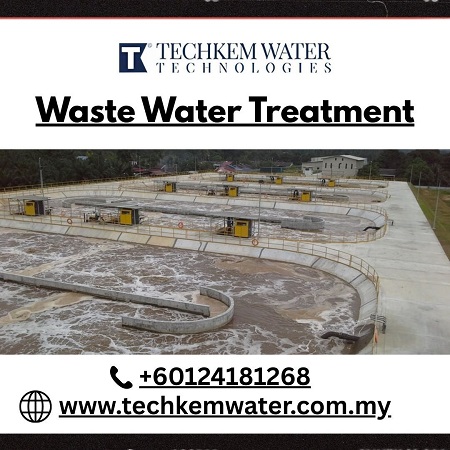
Waste water treatment has become a core need in Malaysia’s manufacturing sector. More factories rely on steady water supplies, and many now face pressure to protect rivers and meet stricter rules on discharge.
When treatment is part of daily operations, the gains stretch far beyond compliance. It helps firms cut costs, lower risks, and build trust with buyers and communities.
This guide explores the main benefits and why more manufacturers now place wastewater management at the centre of their plans.
Why Waste Water Treatment Has Become Important
Malaysia’s manufacturing sector keeps growing. Plants that handle chemicals, metals, food, paper, textiles, and electronics produce large volumes of wastewater each day. If this water enters drains without treatment, it can cause harm to local ecosystems and raise health risks for nearby communities.
Most firms now understand the need for waste water treatment and plan for systems that fit their daily output. The move is driven by long-term goals rather than short-term fixes. Many factories want stable operations, clean water use, and better control of discharge. The wider shift has also created stronger interest in industrial wastewater treatment Malaysia solutions that support plant needs and help firms stay competitive.
Building Strong Compliance and Lowering Legal Risk
Meeting Malaysian Rules
Malaysia has clear rules on industrial discharge. Firms must treat wastewater before it reaches rivers or drains. When a plant invests in proper treatment systems, it stays within set limits and reduces the risk of fines or plant shutdowns. This helps management plan with confidence, as they know their site operates within the law.
Reducing Operational Risk
As output grows, so does the load on treatment systems. Old units may fail under higher volume, which then disrupts production. Upgraded systems reduce this risk and keep daily work smooth. Firms that rely on industrial wastewater treatment in Malaysia often see fewer stoppages and lower repair costs because the system handles the flow with ease. Many treatment units include checks that alert teams to changes in water quality, which helps engineers take quick action and avoid damage.
Protecting Malaysia’s Natural Water Sources
Cleaner Rivers and Better Ecosystems
Untreated water carries chemicals, oils, heavy metals, and organic waste into rivers. This weakens river life and harms fish and plants.
When factories adopt strong wastewater treatment, the discharge becomes cleaner and safer. This lifts the health of rivers and helps protect soil and groundwater near industrial zones.
Cleaner water also reduces conflict between factories and residents. Communities gain from improved water quality and face fewer complaints about smell or pollution. Strong treatment shows that the firm takes its role in environmental care seriously.
Building Trust with Stakeholders
Clean discharge supports trust. Buyers, investors, regulators, and local groups track how manufacturers manage water. A plant that treats its wastewater well sends a clear message of responsibility. This helps secure long-term contracts in global supply chains that expect proof of safe and clean operations.
Malaysia also aims to protect water reserves and support green growth. Wider use of waste water treatment supports these national goals and strengthens the country’s image as a reliable hub for high-value manufacturing.
Reducing Costs and Improving Resource Use
Lowering Water Intake Through Reuse
One of the strongest gains from treatment comes from water reuse. Many plants now recycle treated water for cooling, cleaning, or other internal tasks. This cuts the need for fresh water and shields firms from rising tariffs. Over time, the savings stack up and support healthier budgets.
Cutting Sludge and Chemical Use
New treatment methods help reduce sludge volume. Less sludge means lower transport and disposal costs. It also reduces the need for storage space on-site. Many firms that work with industrial wastewater treatment Malaysia systems have reported steady savings from sludge reduction alone.
Modern systems also use fewer chemicals. Better design gives higher efficiency and uses targeted steps to handle specific waste types. This reduces cost and improves safety for staff who handle the units.
Energy Efficiency
Treatment systems today use far less energy than older models. Some even allow factories to recover heat or useful by-products.
While energy use cannot drop to zero, the reduction supports long-term savings. Better energy use also aligns with Malaysia’s push for greener industrial growth.
Improving Daily Operations
Smoother Production Flow
Good treatment supports trouble-free production. Dirty or unstable water affects pipes, cooling systems, and other plant equipment. When waste water treatment runs well, it keeps pipes clear and reduces corrosion and scale. This protects machines and lowers breakdown rates.
Better Product Quality
In the food, electronics, and pharmaceutical sectors, water quality affects product quality. Even slight contamination can cause faults or large losses.
Strong waste water treatment ensures that process water stays within safe limits and keeps output stable. It reduces the chance of recalls and helps build a strong track record for quality.
Strengthening Brand Image and Securing Market Access
Meeting Buyer Standards
Global buyers expect high environmental standards. Firms that adopt industrial wastewater treatment systems stand a stronger chance of meeting these demands. Many contracts now require proof of clean discharge and stable water management. Strong treatment helps firms introduce this proof with ease.
Gaining Market Trust
A company that invests in waste water treatment can share this progress with customers, partners, and the public.
This strengthens brand image and shows that the business takes long-term responsibility for its impact.
Many consumers prefer products from factories that show care for the environment. In competitive markets, this trust becomes a powerful advantage.
The Role of Innovation in Industrial Treatment
New Approaches for Better Results
New methods in treatment help firms reach high standards without rising costs. Improved filtration, membrane units, and biological processes give cleaner output with less waste.
These systems also fit different industry needs, from textile plants to metal finishing lines. They offer clear gains in chemical use, energy use, and output quality.
Supporting National Industrial Growth
Better waste management supports national plans to grow the green economy. It sends a strong message to foreign investors who seek stable and responsible production zones.
When more factories upgrade their treatment systems, the sector becomes stronger and more attractive for long-term investment.
Moving Towards a Sustainable Future
Circular Water Use
Many manufacturers now explore the circular use of water. Instead of relying on fresh supplies each day, plants look for ways to treat and reuse water in a loop.
This approach reduces stress on rivers and cuts supply risks. Waste water treatment sits at the heart of this shift and supports more stable production.
Long-Term Security for the Sector
Water risks linked to climate change and rising demand will grow in the coming years. Firms that invest early in modern treatment systems will face fewer shocks.
Strong treatment protects production during water shortages and keeps plants aligned with future rules, which may become stricter.
Final Thought
Waste water treatment is now a key part of Malaysia’s manufacturing future. It supports clean rivers, strong compliance, and stable daily operations.
It also reduces cost, protects equipment, and builds trust with global buyers. As more factories adopt wastewater treatment and industrial wastewater treatment Malaysia solutions, the sector moves towards a cleaner and more competitive path.
The gains are clear, and the benefits reach far beyond the factory gate.