


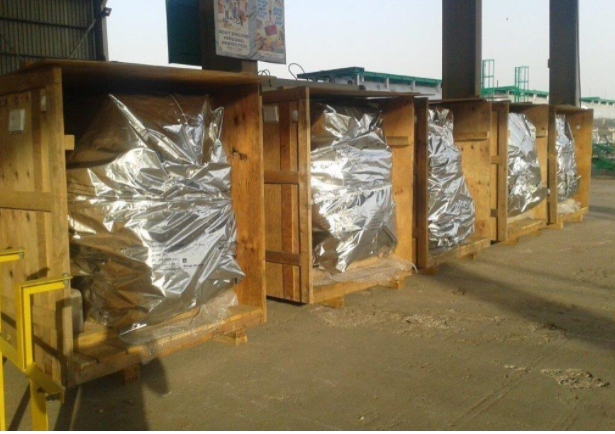
Be it corrugated boxes, bubble wrap, shrink wrap, vacuum packaging. Or any other kind of packaging, their main aim is to protect the product kept inside. While affordability, customization, and branding play an important role in the sales of a product. Keeping it safe and usable is vital for a business.
This is more true for food items, medicines, and other products. That have a small shelf life and need to be preserved. Elements like oxygen and moisture can speed up the growth of aerobic bacteria that can spoil the product. A great of ensuring this barrier is by using the vacuum packaging method for products.
What Is Vacuum Packaging?
By removing air and sealing the container, vacuum packaging creates a vacuum that protects volatile components and extends the product’s shelf life. By using flexible package forms, vacuum packaging can reduce the volume of the package as well. With no oxygen inside the packaging, the product stays fresh for a longer period of time making it easy for storage and transportation purposes.
Vacuum packaging can be done by using plastic bags, mason jars, bottles, or canisters. It has now become the industry standard for packaging food items like nuts, cereals, cheese, fish, coffee, cured meats, potato chips and more. For short-term storage, vacuum packaging helps keep vegetables, liquids, and meats fresh by slowing bacterial growth.
Different Between Shrink Wrapping And Vacuum Packaging
They both might feel similar but there’s a slight difference between shrink wrapping a product and packing it in vacuum.
Shrink wrapping involves covering a product with plastic film and heating it. The heat forces air out through tiny holes, allowing the film to fit snugly around the product while preventing a full seal.
Vacuum packaging uses suction to remove all air, fully sealing the package from the outside. This process modifies the internal atmosphere of the package and help in extending the life of the product.
Benefits Of Vacuum Packaging
- Increased Shelf Life
It has been found in studies that vacuum packaging can increase the shelf life of a product from 50%-400%. Removing oxygen from the package helps in preserving the product and protects it from freezer burn. It has become the chosen form of packaging for meats around the world.
- Reduced Product Loss
Increased shelf life means that the product stays fresh and usable for a longer period of time. This means a reduction in product loss and wastage which ultimately helps in increasing the bottom line.
- Seals Flavours
Another use of vacuum packaging is to seal in the flavours of a food product inside the packaging so that it tastes the same even after months.This technique cures meats using their natural juices and added spices and flavors.
- Multiple Packaging Options
Vacuum packaging is now available in several different packing options. Users can buy rolls of plastic film to seal products or buy bags with reclosable zippers, mason jars with a tin lid, easy-open tear notches and more.
- Protects From External Elements
Vacuum packaging not just prevents the products from going bad, it protects them from dirt, dust, water, insects, moisture, or any other kind of external contamination. It protects products against freezer burn as well.
- No Preservatives Required
The correct blend of inert gases and oxygen can naturally extend a product’s shelf life without chemicals.
Takeaway
If maintaining the integrity, taste, and freshness of a product is of paramount importance for your business, using the vacuum packaging method might give you a lot of benefits. With the help of proper materials and machines, you can vacuum pack products quickly and efficiently. It has become the standard method of packing fast-moving products like food items, dairy products, medicines, meat, and more.