


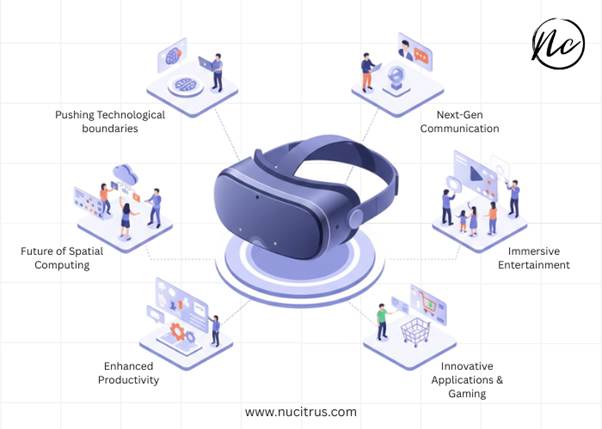
Apple’s 2024 launch of the Vision Pro caught a lot of people off guard. Nobody expected Apple to jump headfirst into spatial computing with such an ambitious headset, but they did—and they poured billions into making it happen. There’s a reason for that. It’s not just about the hardware; it’s about where computing is going. Apple wants to shape that future, and businesses everywhere—including custom software shops in Philadelphia—need to pay attention. We’re staring down the next big platform shift, and Apple’s not sitting this one out.
Securing the Next Computing Platform
Apple knows what it feels like to be late. Back when smartphones first took off, they missed the initial wave. Sure, they swooped in with the iPhone and changed everything, but they’re not planning on playing catch-up again. With Vision Pro, they’re staking out territory early. They want to set the rules for spatial computing before anyone else does.
Big players like Meta, Microsoft, and Google all want a piece of the mixed-reality pie. Apple’s approach feels different, though. They’re aiming high—premium hardware, tight ecosystem, the whole package. They want Vision Pro to be the default, the way the iPhone became the phone everyone thinks of.
And for developers, this is a whole new ballgame. Designing for spatial computing isn’t just tweaking old apps; it means rethinking everything from the ground up. For smart development teams, that’s a huge chance to get ahead—if they’re willing to dive in and start building for what comes next.
Ecosystem Expansion and Lock-In
Apple’s real power comes from how everything it makes just fits together. Vision Pro isn’t some standalone gadget. It takes what you can do on your Mac, iPhone, iPad, and even your Apple Watch, and brings it all into 3D. When people see how smoothly it all works, they stick with Apple—and, honestly, Apple finds new ways to make money, too, with apps, content, and services built for this new space.
Developers and businesses, includingIT company Philadelphia providers and national firms, recognize that spatial computing represents the next major platform requiring specialized development expertise. Early adoption positions development firms as leaders when spatial computing reaches mass market adoption.
Premium Market Positioning
Apple always goes after people who want the best and are willing to pay for it. Vision Pro costs $3,499, and they’re not pretending it’s for everyone right now. This is Apple showing off what’s possible, staking out the high ground. Over time, as they figure out how to make it cheaper and at scale, you’ll see more affordable versions pop up.
If this feels familiar, it’s because Apple did the same thing with the first iPhone. The price was high at launch, but that helped pay for development and cement Apple’s spot at the top. Eventually, as prices dropped, everyone wanted in.
Creating New Revenue Opportunities
But Vision Pro isn’t just about selling another device. It’s a door to a bunch of new businesses for Apple. Sure, there’s the hardware, but there’s also a whole world of spatial apps, immersive content, and tools for work. All of that brings in steady income through App Store fees and other services.
Businesses offering custom software development in Philadelphia and elsewhere see opportunities developing spatial applications for enterprise training, remote collaboration, design visualization, and customer experiences impossible on traditional screens.
Responding to Technological Maturation
Smartphone innovation has plateaued. Annual iPhone updates deliver incremental improvements rather than revolutionary changes. Apple needed the next major product category to maintain growth and the innovation narrative.
Vision Pro represents that next category, potentially as transformative as the iPhone was to mobile phones. Apple’s investment acknowledges that sustaining market leadership requires pioneering new product categories, not just iterating existing ones.
Enterprise and Professional Applications
While consumer applications generate headlines, Vision Pro targets enterprise and professional markets initially. Mobile app development service providers recognize demand for spatial applications in architecture (3D building visualization), healthcare (surgical planning and training), education (immersive learning experiences), and design (spatial prototyping and collaboration).
These professional use cases justify premium pricing while proving technology value before consumer mass market expansion.
Developer Ecosystem Investment
Apple invests heavily in developer tools, frameworks, and support for Vision Pro development. This investment aims to ensure a robust application ecosystem at launch, avoiding the “chicken-and-egg” problem plaguing previous VR/AR attempts with limited content.
For IT company Philadelphia developers and nationwide firms, Apple’s developer support lowers barriers to spatial computing development, enabling smaller firms to create innovative applications.
Long-Term Strategic Vision
Apple thinks in decades, not quarters. Vision Pro represents long-term positioning for computing’s evolution beyond screens. Even if initial sales remain modest, establishing technology foundations, developer ecosystems, and market positioning now enables Apple to capitalize when spatial computing reaches inflection points.
This patient, strategic approach characterizes Apple’s most successful product categories, from iPod to iPhone to Apple Watch.
Apple’s Vision Pro development represents strategic positioning for computing’s spatial future. Understanding Apple’s rationale helps businesses, developers offering custom software development in Philadelphia, and IT company Philadelphia providers preparing for this platform shift. Whether providing mobile app development services or exploring spatial application opportunities, recognizing Vision Pro’s strategic significance enables proactive positioning for the next computing revolution.
Frequently Asked Questions
Why is Apple Vision Pro so expensive?
The $3,499 price reflects cutting-edge technology, premium materials, and advanced manufacturing. Apple targets early adopters and professionals initially, with more affordable versions expected as production scales and technology matures.
What makes Vision Pro different from other VR headsets?
Vision Pro emphasizes mixed reality (blending digital and physical worlds) over pure VR, features industry-leading display quality, integrates seamlessly with Apple’s ecosystem, and prioritizes productivity alongside entertainment.
How does Vision Pro impact software developers?
It creates opportunities for mobile app development services and custom software development in Philadelphia and nationally to build spatial applications for enterprise, education, healthcare, and entertainment using Apple’s development tools.
Will Vision Pro replace iPhones or Macs?
Not immediately. Vision Pro complements existing devices, extending their capabilities into spatial computing. Long-term evolution may reduce reliance on traditional screens, but replacement timelines span decades.
Is Apple Vision Pro worth the investment for businesses?
For IT company Philadelphia providers and businesses in design, architecture, healthcare, or training, Vision Pro offers competitive advantages through immersive visualization, collaboration, and customer experiences unavailable on traditional platforms.
When will more affordable Vision Pro versions launch?
Apple hasn’t announced timelines, but industry analysts expect more accessible versions within 2-3 years as production scales, component costs decrease, and technology matures.