


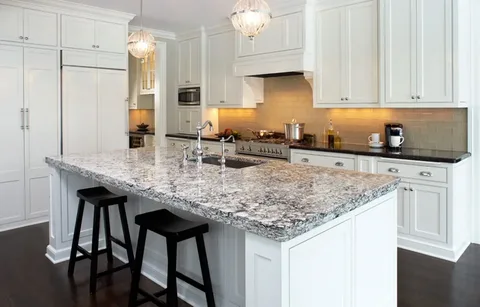
Quartz countertops have become one of the most popular choices for homeowners in recent years. Known for their sleek, modern appearance and practical benefits, quartz countertops offer a balance of beauty, functionality, and durability that make them a top contender for kitchens and bathrooms. In this article, we’ll delve into why quartz countertops are increasingly chosen by homeowners and designers alike.
What is Quartz?
Quartz countertops use a blend of natural quartz, resins, and polymers. Unlike natural stone options such as granite or marble, manufacturers produce quartz surfaces in controlled environments. This process gives them precise control over color, pattern, and texture. Manufacturers grind raw quartz into a fine powder, mix it with resins and pigments, and press it into durable, customizable slabs.
The Manufacturing Process
Manufacturers begin the process by selecting high-quality natural quartz crystals. They mix the crystals with resin and other materials to create a solid surface. This combination of stone and resin results in a countertop that is non-porous and highly resistant to staining, making it a low-maintenance option for busy households. The manufacturing process also allows for precise control over the final appearance, so homeowners can choose from a wide range of colors, patterns, and finishes.
Benefits of Quartz Countertops
Quartz countertops have gained popularity for several key reasons. These benefits make them ideal for those seeking durability, ease of maintenance, and aesthetic appeal.
Durability and Strength
One of the main reasons quartz is so popular is its exceptional durability. Quartz countertops are highly resistant to chips, cracks, and scratches. Since they are engineered using quartz stone, which is one of the hardest natural materials available, quartz countertops can withstand the wear and tear of daily use.
Resistance to Staining
Quartz countertops are non-porous, meaning they do not absorb liquids or stains as natural stone surfaces like granite or marble can. This makes quartz countertops much easier to maintain, as spills can be wiped up without worrying about permanent staining. Whether it’s coffee, wine, or oil, quartz countertops resist staining, making them an excellent choice for kitchens.
Heat and Scratch Resistance
While quartz countertops are durable, they are not entirely heat-resistant. Prolonged exposure to high temperatures can damage the surface, so it’s important to use trivets or heat pads to protect the countertop. However, quartz countertops are highly resistant to scratches, meaning that everyday kitchen tasks like chopping vegetables or using kitchen gadgets won’t mar the surface.
Aesthetic Appeal
Quartz countertops are available in a wide range of colors, patterns, and finishes, making them a versatile option for any home. Whether you want a classic, marble-like appearance or a more modern, sleek look, quartz can be customized to suit your design preferences. Unlike natural stones, quartz doesn’t have the same variations in pattern, so the appearance remains consistent across the entire countertop.
Wide Range of Colors and Styles
Quartz countertops come in a wide array of colors and patterns, from soft whites and creams to vibrant hues and dark tones. They can be made to mimic the look of marble, granite, or even concrete, giving homeowners the flexibility to choose the perfect style for their space. The availability of different finishes such as polished, honed, or matte—also adds to the design possibilities.
Customization Options
Unlike natural stone, which may have unique imperfections or veins, quartz countertops allow for precise design control. Homeowners can select the exact color, pattern, and texture they want for their kitchen or bathroom, ensuring that the countertops perfectly complement the overall aesthetic of their space.
Low Maintenance
One of the most significant advantages of quartz countertops is their low maintenance requirements. Since quartz is non-porous, it does not require sealing like granite or marble. This means that you don’t need to worry about regular resealing to maintain the surface’s resistance to stains or bacteria. Quartz is also resistant to mold and mildew, making it an excellent choice for areas like kitchens and bathrooms.
Easy to Clean
Cleaning quartz countertops is simple and straightforward. For most spills, a damp cloth or sponge and a mild cleaning solution are all that’s needed to wipe the surface clean. Because quartz is non-porous, it doesn’t harbor bacteria or mold, making it a hygienic choice for food preparation areas.
Eco-Friendly Option
Quartz countertops are an eco-friendly option for homeowners who are concerned about sustainability. While the production process does require some energy and resources, quartz countertops are made from abundant, natural materials and are often manufactured with recycled materials. Additionally, quartz is a long-lasting product, reducing the need for frequent replacements and minimizing waste in the long term.
Sustainable Manufacturing Practices
Many quartz manufacturers are adopting sustainable practices, such as using recycled materials or reducing their carbon footprint. This makes quartz an attractive option for homeowners who are looking to make environmentally conscious choices when remodeling their homes.
Drawbacks of Quartz Countertops
While quartz countertops have many benefits, they do come with a few drawbacks that homeowners should consider before making a final decision.
Heat Sensitivity
Although quartz is highly durable, it is not entirely heatproof. Exposure to extremely high temperatures can cause the surface to warp, crack, or discolor. It’s essential to avoid placing hot pots and pans directly on the countertop. Instead, use trivets or hot pads to protect the surface from heat damage.
Price Point
Quartz countertops can be more expensive than other materials like laminate or tile. The cost of quartz varies depending on the brand, color, and design, but it typically falls in the mid-to-high price range. While quartz is generally more affordable than marble or granite, it’s still a significant investment for many homeowners.
Not Completely Scratch-Proof
While quartz countertops are highly resistant to scratching, they are not entirely scratch-proof. Sharp objects, such as knives, can still damage the surface if they are not used carefully. It’s essential to use cutting boards and avoid dragging heavy objects across the countertop to maintain its appearance. Good countertop stores offer many styles and materials for every home. You get quality products and expert help when choosing the right countertop.
How Quartz Countertops Compare to Other Materials
When comparing quartz to other popular countertop materials, it’s clear why it has become such a popular choice for homeowners.
Quartz vs. Granite
Granite is a natural stone, which means that each slab is unique and has its own variations in pattern and color. While granite is highly durable, it requires regular sealing to protect it from stains and bacteria. Quartz, on the other hand, is non-porous and doesn’t need sealing, making it a low-maintenance option. Quartz also offers more consistent patterns and colors, while granite may have natural imperfections.
Quartz vs. Marble
Marble is known for its luxurious appearance and timeless beauty. However, marble is more prone to staining and scratching than quartz, and it requires regular maintenance to keep it in good condition. Quartz is more durable and easier to maintain, making it a better option for busy households.
Conclusion
Quartz countertops are a smart choice for homeowners. They offer durability, visual appeal, and low maintenance. They withstand daily wear and tear. They come in many styles and colors. This makes them suitable for both kitchens and bathrooms.
Quartz has a few drawbacks. These include heat sensitivity and higher cost. However, the benefits often outweigh the disadvantages. With proper care, quartz countertops can last for many years. They provide lasting beauty and reliable functionality for your home.