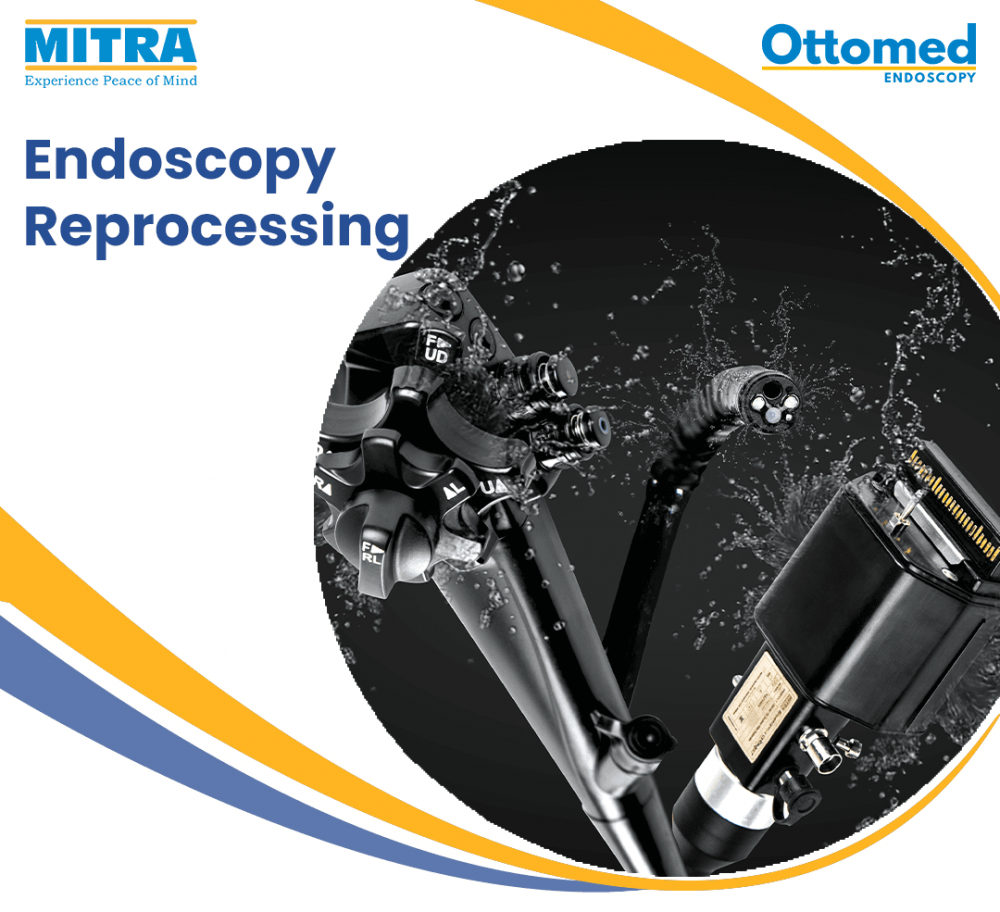
In most procedure rooms, the spotlight usually falls on scopes and cameras. But if you spend time with a clinical team, you’ll realize how much depends on what’s happening in the background. That’s where endoscopy software quietly does its job. It manages imaging, recording, and system control, often without being noticed. When it works well, everything feels smooth. When it doesn’t, even a routine case can feel unnecessarily complicated. At Ottomed, the focus is on building software that supports the workflow instead of interrupting it.
Why Endoscopy Software Matters in Daily Use
During a procedure, there’s no room for delays or confusion. Clinicians need quick access to images, stable display output, and the ability to record or review without pausing. That’s exactly where reliable endoscopy systems backed by strong software make a difference.
In practice, good software helps by:
- Keeping image quality consistent on screen
- Allowing easy capture and storage of procedure data
- Minimizing reliance on personal modifications during usage
Instead of focusing on packing in more functions, it’s about making sure that the main things operate fluently.
Features That Make a Real Difference
On paper, most systems may look similar, but in actual use, small details stand out. A well-designed endoscopy software should feel intuitive from the first use. Doctors and technicians shouldn’t need to spend time figuring out controls in the middle of a procedure.
When paired with an endoscopic tower, the software should support the following:
- Seamless switching between live view and recorded data
- Clear interface that doesn’t clutter the screen
- Stable performance without lag
Such things simplify the daily use of a device, particularly in a setting where there are many users.
What Sets Quality Endoscopy Software Apart
Not all endoscopy software is built with clinical realities in mind.Optimal solutions are developed in collaboration with medical professionals who understand the procedures that take place within actual procedure rooms. Compliance with healthcare data standards, reliable uptime, and minimal training requirements are indispensable in high-pressure environments. Otomed’s approach reflects this very understanding—each facility is tested based on the demands of real-world workflows, rather than solely on technical specifications. When software is designed with both the clinician and the patient in mind, it ceases to be merely a tool and becomes, instead, a genuine support system that elevates the standard of care delivered every day.
System Integration with Flexible Endoscopes
Modern setups are built around integration rather than individual components. Whether it’s imaging, light, or scope movement, everything needs to work together. Flexible endoscopes, for example, require precise image handling as they move through the body, and that’s only possible when the software keeps up in real time.
Ottomed designs its solutions so that endoscopy software, hardware, and scopes operate as one system. This reduces interruptions and allows clinicians to stay focused on the procedure rather than the equipment.
Conclusion
The role of endoscopy software may not always be visible, but it’s central to how smoothly procedures run. When aligned with a reliable endoscopic tower, well-built endoscopy systems, and responsive flexible endoscopes, it creates an environment where everything works as expected. Ottomed continues to develop solutions with this balance in mind, keeping technology practical, dependable, and easy to use in real clinical settings.