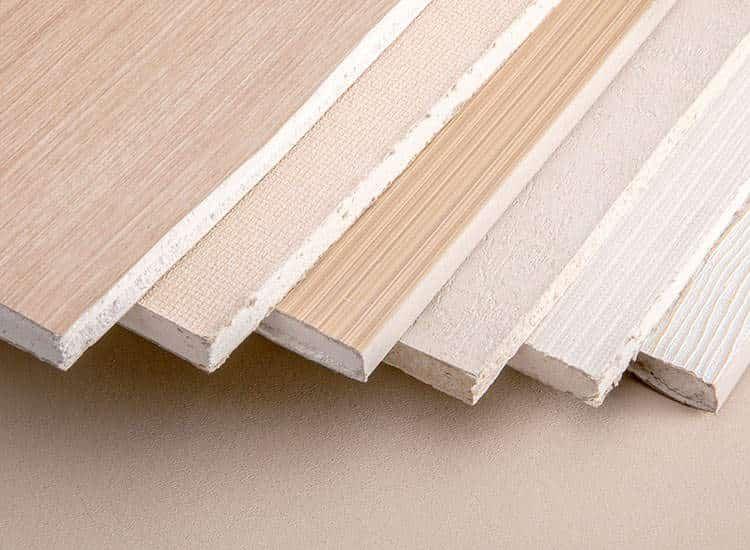
Most buyers look at plywood like a fixed item. They want a single sheet to serve every purpose. But that approach often leads to early damage. The truth is every type of space needs a different grade. That is why choosing plywood based on how it will be used is always better than going by price alone.
You do not use the same pan to boil tea and bake a cake. The logic stays the same with plywood sheets. Each task needs a material that fits that condition.
One Type Does Not Fit Every Room
A bedroom wardrobe does not face the same pressure as a kitchen cabinet. Bathroom shelves stay in touch with moisture. Study tables need more load strength. In all these cases, plywood sheets behave differently.
Low-cost plywood may save money at first. But if it bends or breaks later, you lose more. That is why choosing based on room use is the smarter option.
Understand the Term: Quality Plywood
When we say quality plywood, it means more than just a clean surface. It means proper layering. It means strong bonding. It means resistance to water or pests.
Quality plywood keeps its shape under heat or weight. It stays firm across seasons. It holds screws better. That is what helps your furniture stay steady across years.
What Happens When You Choose Wrong
Many people use general-purpose plywood everywhere. It looks fine in the beginning. But the problems start slowly.
Edges may start swelling. The frame may start leaning. Hinges may loosen. These are signs that theplywood was not fit for that use. Repairing these faults takes more effort than buying the right plywood at the start.
Match Plywood Sheets to Purpose
Not all rooms demand the same features. Each one needs a different plywood sheet.
- • Use moisture-resistant plywood for kitchens plus bathrooms.
- • Use termite-proof plywood for storage units plus lofts.
- • Use thick plywood for tables, beds or load-heavy frames.
- • Use calibrated sheets for modular furniture.
- • Use lighter plywood sheets for wall panels or designs.
This simple check saves both money plus stress later.
Do Not Pick Only by Rate
Many sellers offer cheap plywood at first glance. But these may not be fully treated. They may miss layers. They may crack when cut. That is why checking the core build matters.
Quality plywood comes with stamps, codes or certifications. These confirm what conditions the sheet can handle. Always ask for this before you buy.
Ask the Right Questions
Before you place an order, check a few basics. These help you choose well.
- • Where will the plywood be used?
- • Will it face sunlight, water or load?
- • Will it be fixed or moved often?
- • What finish will go over it?
- • How long do you expect it to last?
Once you answer these, your plywood choice becomes clear.
Quality Plywood Gives Value Beyond Price
Strong plywood keeps the furniture in shape. That saves time on repairs. That keeps the finish looking new. That holds screws and polish for longer. These things matter across daily use.
Buying quality plywood is not just about the sheet. It is about saving work later. It is about making the furniture useful for years.
Your Core Choice Shapes Everything Else
A good sofa or cabinet starts with the right core. If the plywood is wrong, nothing else holds well. Not the paint. Not the handle. Not the joint. That is why this first step matters most.
Match the plywood sheet to the job. Look beyond offers. Think about what the furniture will face each day. That gives the right direction.
Trust Brands That Think Like Builders
Some companies only focus on price. Others focus on use. The second group gives better value. They make quality plywood that fits real-life use. That is what lasts longer.
CenturyPly makes plywood sheets designed for actual homes. Their range matches kitchen needs, bathroom demands, and bedroom styles. That is why so many Indian homes continue to rely on them.