A medical emergency does not give you time to research. The decisions that matter most include which hospital to call, which route to take, and whether to wait or go immediately.
When you search a 24 hours emergency hospital near me, check for round-the-clock specialist access, on-site diagnostics, ICU cover, and the ability to escalate across departments without transferring the patient.
The Most Common Medical Emergencies in Delhi and What Do They Need?
The most life-threatening emergencies seen at the best hospital in Delhi include problems related to the heart, brain, abdomen, and kidneys. Each requires a different specialist and not every hospital that is open at night has all specialists available.
Cardiac emergencies, heart attacks and severe arrhythmias depend on how quickly a patient reaches a catheterisation lab. For stroke, the window for clot dissolving treatment is 4.5 hours from the time when symptoms onset. After that window closes, treatment options narrow significantly.
Abdominal emergencies such as bowel obstruction, perforation, or acute liver failure need both surgical and gastroenterology input. Urological emergencies including acute urinary retention, severe kidney stone complications, and infections in transplant patients require specialist urology cover, not just general emergency care.
Do not wait to confirm a diagnosis at home. Chest pain, sudden numbness, severe abdominal pain, or breathlessness that worsens are reasons to leave for a hospital immediately.
What Happens When You Arrive at a 24-Hour Emergency in Delhi?
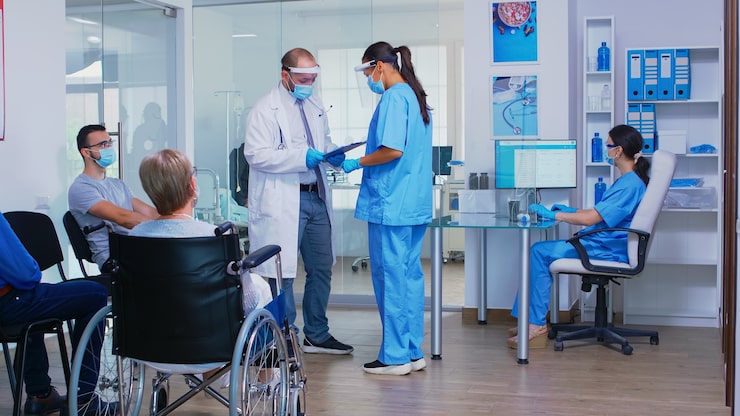
On arrival at the best hospital in Delhi a nurse assesses the patient in under a few minutes, thus, classifying the case as critical, urgent, or semi-urgent. Critical cases go directly to the ICU. While urgent cases are assessed by the emergency physician, and then relevant specialists.
This is where the difference between a general emergency facility and a multispeciality hospital becomes real. A patient with chest pain that turns out to be kidney complication does not need to be transferred, because the specialist is available in the same building.
On-site diagnostics like CT scan, MRI, blood tests, and ultrasound are available throughout the night making it possible for doctors to confirm a diagnosis and begin treatment without waiting.
What You Must Know Before a Crisis Hits?
The most useful preparation is to decide which hospital you would go, and have their emergency number saved. Do this before anyone is unwell. It removes one decision from the worst possible moment. Beyond that, three things help the emergency team help your family member faster:
- 1) Carry a medication list- Every drug the patient takes, with dosage. This prevents dangerous drug interactions during emergency treatment and saves the team from guessing.
- 2) Know the relevant medical history- Past surgeries, allergies, chronic conditions, and any recent test reports. In complex cases, this information changes what treatment is safe.
- 3)Bring the insurance card. Cashless treatment at empanelled hospitals begins at registration. The card and policy number prevent delays when the team is focused on the patient.
How to Choose the Right Emergency Hospital in Delhi?
The right emergency hospital is not always the nearest one. It is the one with the specialist cover, diagnostic depth, and ICU capacity that matches the most likely emergencies.
Distance matters, but capability matters more. A hospital that can manage the condition without a transfer is always the better choice over a closer facility that will redirect.
For families in South Delhi, and surrounding areas, Pushpawati Singhania Hospital and Research Institute (PSRI) is a multispeciality tertiary care hospital operating 24-hour emergency and critical care services . The hospital’s emergency department has access to specialist teams across cardiac sciences, neurosciences, gastroenterology and hepatology, urology, oncology, and orthopaedics all within the same facility.
Contact: +91 84 84 84 84 17
FAQ
1. How do I choose a 24 hour emergency hospital?
Choose the hospital that has 24×7 specialist availability, ICU support, and on-site diagnostics. The nearest hospital may not always be the best choice because it cannot handle the complex conditions.
2. What are the signs that I should go to an emergency hospital immediately?
Chest pain, sudden weakness, numbness, severe abdominal pain, or uncontrolled vomiting are some of the warning signs that should not be ignored.
3. Does every hospital in Delhi provide full emergency care at night?
Many hospitals stay open at night but they may not have specialist teams or advanced diagnostics available 24 by 7. A true emergency hospital has access to critical care, specialists, and diagnostic facilities under one roof that too round the clock.