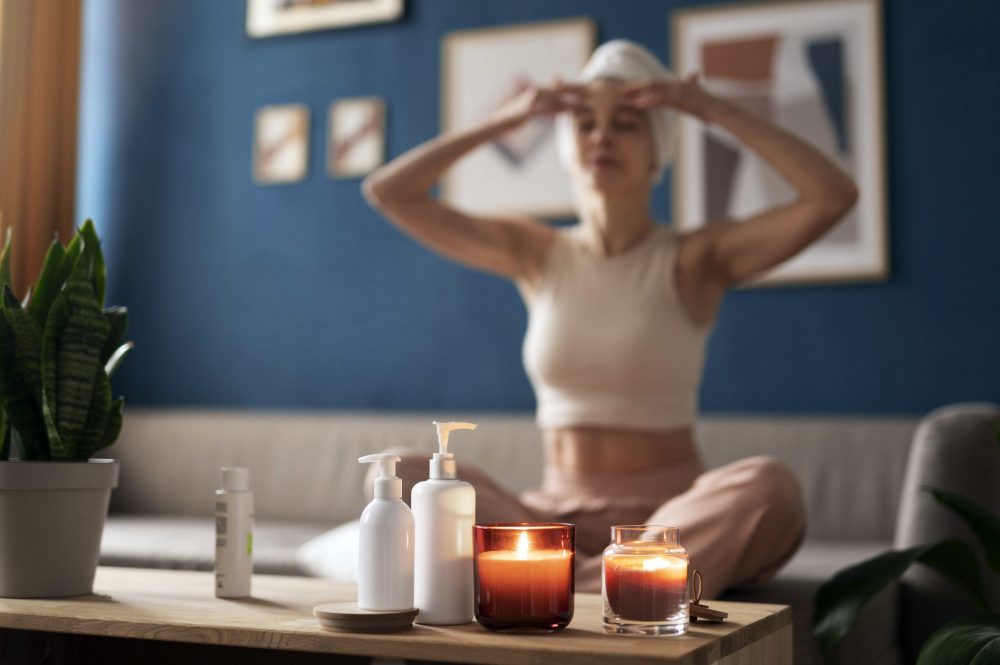
Somewhere during 2020, a lot of people figured out that their living room floor was a terrible place to do yoga. The couch was right there, the TV was on, and the dog kept walking across the mat.
So people started carving out space. A spare bedroom. Half a garage. Sometimes just a corner with a mat and an unspoken agreement with everyone else in the house to leave it alone.
What’s interesting is that the habit outlasted the lockdowns. Even with gyms and clinics fully reopened, people kept investing in their home wellness setups. The convenience factor is hard to beat once you’ve experienced it.
What’s Actually Driving This
Cost is the obvious one. A weekly massage runs $80 to $120 per session in most US cities. That’s somewhere around $4,000 to $6,000 a year. A decent massage table costs a few hundred dollars and lasts for years. Once you or your partner learn some basic techniques, the math gets pretty compelling.
There’s also the time factor. Driving to an appointment, sitting in a waiting room, driving home. For a 30-minute stretching or recovery session, the travel can take longer than the actual treatment. Having everything set up ten steps from your bedroom eliminates all of that.
But the one people don’t talk about as much is the psychological separation. Having a room where your laptop isn’t staring at you, where the function of the space is “take care of yourself” and nothing else. Your brain registers that. It’s the same reason working from home goes better with a dedicated office than it does from the kitchen table.
What People Are Putting in These Rooms
This varies a lot depending on what someone actually uses. The mistake most people make is buying a bunch of equipment they saw on Instagram and then never touching half of it. The rooms that get used consistently tend to be built around one or two core activities.
Recovery-focused rooms tend to have foam rollers, percussion massage guns, resistance bands and usually a treatment table. Some people go further with infrared sauna blankets or cold plunge tubs, but that’s a more committed investment.
Yoga and meditation setups are simpler. A good mat, blocks, a bolster, a speaker for guided sessions. Low-tech but intentional. These rooms are more about what you leave out than what you put in.
The rooms that revolve around bodywork, whether it’s a partner doing massage or a mobile therapist visiting weekly, are different. The treatment table is the centerpiece and it’s the one thing worth spending real money on. A wobbly folding table from a discount store works for the first month, but if you’re using it weekly the padding compresses, the legs wobble, and eventually it’s something you avoid. Companies like Alevo build tables designed for specific practitioner types that hold up to regular use. A lot of home setups end up upgrading once the cheap option wears out.
Setting One Up Without Overdoing It
The best home wellness spaces start small. Pick the one thing you’ll actually do three times a week and set up for that. Everything else can come later.
A few things that make a real difference regardless of what you’re doing in there:
Swap the overhead light for a dimmer switch or a couple of warm-toned lamps. This single change does more for the feel of a room than paint color, artwork or anything else you could buy.
Don’t let the room become storage. The moment it doubles as a place for Christmas decorations and old suitcases, you’ll stop going in there. Protect the space, even if it’s small.
If the room gets cold in winter, get a space heater in there. Sounds obvious but a freezing garage gym is a gym that doesn’t get used after October. Same goes for a fan in summer.
And put a bluetooth speaker in the room. Playing something ambient during a stretch session genuinely makes you stay longer. Probably the cheapest upgrade on this list and one of the most effective.
Is It Worth It?
Depends on how you use it. A $2,000 home gym setup that gets used four times a week pays for itself fast compared to a $50/month gym membership that you actually use twice. Same logic applies to wellness spaces.
The people who get the most out of these rooms are the ones who were already doing the activity somewhere else and just moved it home. If you’re getting monthly massages, doing yoga at a studio, spending time on post-workout recovery, giving those activities a dedicated space at home just removes the friction.
If you’re hoping the room itself will motivate you to start doing something new, that’s a harder sell. Motivation follows habits, and habits need to already exist before you build a room around them.