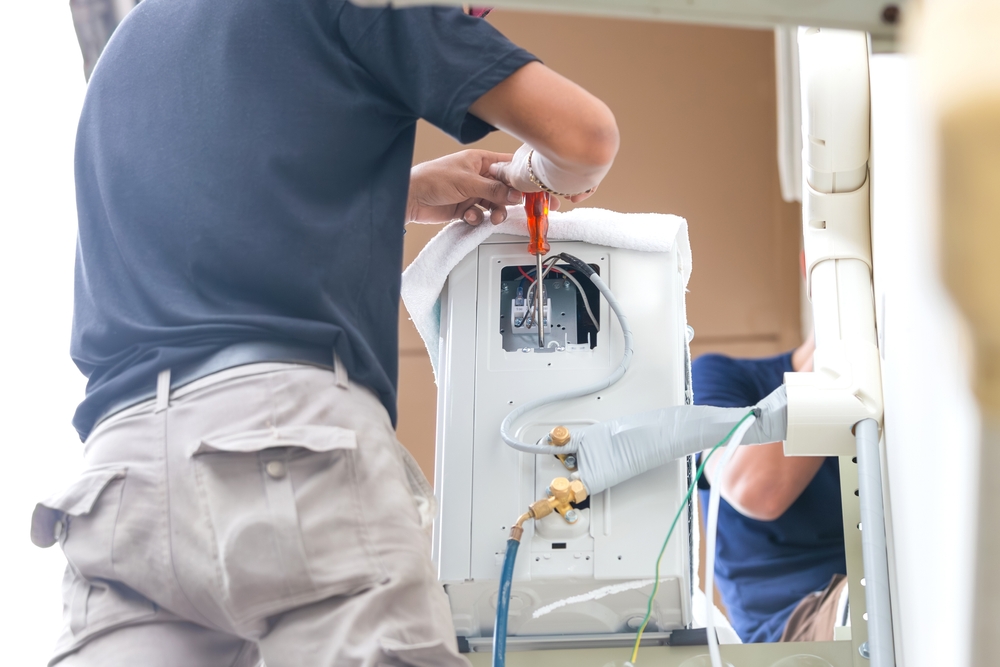
When the last hopeful gust of hot air blows out of your house furnace, you will feel an irresistible sense of urgency to replenish warmth—and a feeling of being comfortable—in your home. With the threats posed by gas leaks, especially fatal ones, you may be tempted to install the furnace yourself considering the quantity of DIY tutorials on the internet, extending from tiling backsplashes to constructing decks. The possibility of considerable foresight savings is the hook.
Nevertheless, the installation of a home’s central heating system is by no means a lax weekend home improvement project. It is a complex, high-stakes undertaking that integrates critical elements of mechanical engineering, electrical work, gas fitting, and building codes. The decision you make regarding your furnace installation sets the foundation for your family’s safety, your financial well-being, and your home’s long-term comfort—making it one of the most significant choices a homeowner can face.
Here, we lay out the key points hoping to enlighten you into the overview upon these really vital call.
The Allure of the DIY: Considering the Perceived Advantage
The most significant reason to install one’s furnace is financial. By eliminating labor costs, which can be considerable, one can save thousands of dollars. This might be strong enough for a homeowner who is highly skilled and well experienced.
A sense of control and accomplishment can be evoked through undertaking a DIY project. You operate on any schedule, get the exact system that you like, and share in the accomplishment of this major task. This is a valid consideration for the right person.
Before you start to ratchet the bolts, you must first identify exactly what you find yourself in. A typical installation includes the following:
-Sizing and Selection of the System: This is not a “one-size-fits-all” situation. A system that is incorrectly-sized will cycle inefficiently, causing hot spots and cold spots, extra wear and tear, and outrageous energy bills.
Shutting Down Utilities: How risky it is to safely turn off gas and electrical supply to the old unit?
Ductwork Modification: In order to assure that the air constantly moves, the newer furnace may require the adjustment of the existing ductwork.
Electrical and Gas Connections: This is the most dangerous phase. A minor mistake in the gas line connection results in a lethal gas leakage or carbon monoxide exposure. Consequently, poorly connected electrical wiring increases the possibility of a fire.
Venting and Combustion Air: Pipe brandifications of high-efficiency furnaces apply differently for many of the furnaces (PVC pipe) and must be perfectly thought-through for the safe expulsion of exhaust gases.
System Startup and Calibration: This includes setting the blower motor, gas pressure check, inspection of the heat exchanger and safety controls.
The Unprecedented Importance of Professional Furnace Installation
Despite the attraction of the DIY route, the case for hiring an HVAC technician with certification is well-established for safety, expertise, and lasting value.
1. Safety: The Single Most Unprecedented Factor
This is of utmost importance, first and foremost. This calls for the services of a professional. A qualified HVAC expert is familiarized with combustible gases, high-voltage electricity, and myriad mechanical parts that make your furnace operate securely. They perform appreciations of leakages and see to it that your furnace venting works fine, thus securing your family from invisible dangers like carbon monoxide. A mistake here cannot bring inconvenience; rather, let’s just assume how life-ruining it is!
2. Expertise and Proper Sizing
Furthermore, installation is not merely setting the unit up; it begins with critical load calculations. By way of such calculations, it is able to precisely ascertain the number of heating requirements for a home according to size, insulation material, window size, and climate. This way, one is able to optimize the new unit for an operation that is most energy-efficient, thereby maintaining a consistent level of ςcomfort without wasting energy.
3. Understanding Codes and Permit
Most cities will have some form of permit if the installation involves installing a new furnace. With a technician who holds a license, permits will not be a problem, and the work should be compliant with all the necessary building and safety codes. Doing the installation yourself incorrectly can void your manufacturer’s warranty and lead to significant financial penalties. If you don’t resolve installation problems properly before putting the property on the market, they could create serious future complications.
4. Long-Term Reliability and Efficiency
A furnace is a long-term investment, and proper installation ensures it operates as intended throughout its lifespan. Improper installation can reduce system efficiency by up to 30%, which means you could end up paying five to ten times more in utility costs over the next 15–20 years to make up for the lost efficiency. Professionals can detect improperly installed systems through air balancing tests. Since poor installation often causes frequent cycling and underheating, only someone with full service and technical expertise can correct the issues.
5. Warranty Coverage
Nearly all furnace manufacturers clearly state that their warranty remains valid only if a licensed, certified professional installs the unit. Installing a furnace yourself immediately voids this valuable protection. For example, if a critical component like the heat exchanger fails after three years, you would have to pay the full replacement cost—a bill that could easily exceed any labor savings from the DIY installation.
Choosing the right option for your home and loved ones
So when does DIY make practical sense at all? Only a few highly experienced professionals in HVAC, plumbing, or electrical fields can perform self-installation, installing a system entirely on their own at home. As for the majority of property owners, from amateurs do-it-yourself to handy overall, risks clearly far outweigh rewards.
The furnace is the lifeline of your home when those winter days attract extreme cold. The next best thing after an efficient furnace is to ensure that a professionally licensed contractor handles its installation, even though it may cost some money.
Selecting a Good Professional for Furnace Installation
Having settled for a professional installer (and it is absolutely the thing to do), begin your search for the right contractor.
Ask for Bids: Don’t bite—in fact ask at least for three estimates, written and detailed.
Check the company’s credentials by confirming that it is licensed, bonded, and insured. Also, look for certifications from organizations such as NATE (North American Technician Excellence), which indicate advanced expertise.
Process: A good contractor should talk about performing a load calculation and surely walk you through their installation, including the handling of ductwork, venting, and disposal of the old unit.
Check Reviews and Referrals: The testimonies and firsthand experiences of past clients posted online invariably are a very good basis for judging how good or bad a company is at servicing and its work quality.
Everything in Black and White: The quote should be all-inclusive with more or less everything: the model of furnace proposed, the labor costs, a declaration of warranty, and the projected time scale.
Conclusion
The DIY spirit exhibits excellent prowess in a few areas. Thus, we do not endorse furnaces as one of these. The price of heating equipment and installing it by oneself does not match the potential health hazards, endangering life and property, the performance of the heating system being terribly inadequate for the needs, for ever foregoing the warranty of the manufacturer. This is an up-front investment in comfort and safety that a skilled installation will definitely accomplish, and so in home air conditioning is the best option by a long way.