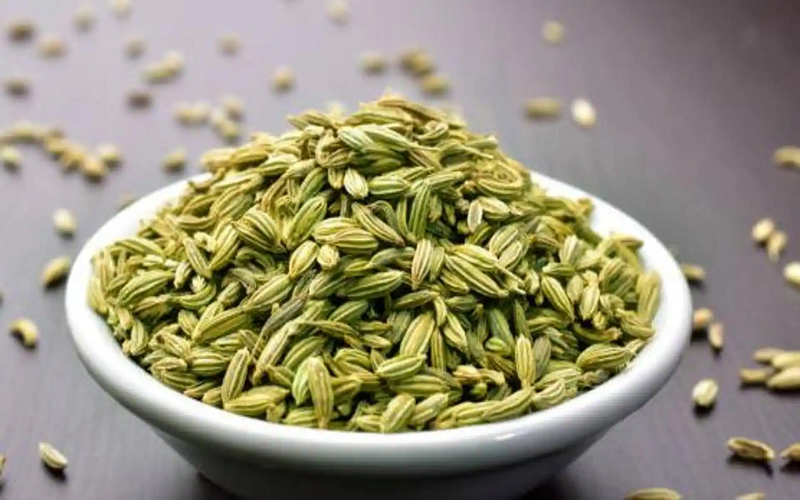
Fennels seeds of the highest quality do not grow on trees. Overseas buyers expect fennel seeds to have bright green color, strong aroma, high essential oil content, and long shelf life. This quality comes from careful attention to every stage of the farm-to-shipment process. Each step in the supply chain determines the purity and performance of fennel seeds for spice mix producers, FMCG brands, pharmaceutical formulations, extractors, and traders. Whether for export or local markets, maintaining high quality requires managing the process from field to packaging and logistics.
Cultivation: The Foundation of Quality
Quality begins at the farm. To grow consistent fennel seeds, farmers must follow uniform growing processes instead of harvesting randomly from market supplies. Using high-grade, non-GMO seeds, responsible pesticide management, and natural irrigation produces robust crops with better aroma and taste. Soil examination, crop monitoring, and careful guidance during growth ensure fennel plants remain free from weeds and other impurities. Consistent farming, in turn leads to even grain size, bright colour and strong aroma features of premium quality fennel seeds.
Harvest at right Stage to keep Aroma and Oil:
The excessive or deficient harvest, determines quality. Fennel seeds contain high concentrations of volatile oils in the fruit, giving them a sweet, perfumed aroma and digestive benefits. Field must be harvested when plants are at full maturity to assure maximum herbicide activity. This timing preserves the essential oil content, which determines the commercial value of fennel seeds in food and medicinal industries. Transportation must be immediate, as prolonged exposure to water or high-humidity fields can discolor the seeds and reduce their flavor.
Post-Harvest Handling for Clean and Safe Seed
After harvest, fennel seeds require careful processing to minimize contamination. Dirt, clarezas, residuals of plants and stones, pieces etc. The presence of apricot horner ken seeds can negatively impact both the safety and visual quality of the product. Transporting fennel seeds in covered vehicles, unloading them in sanitized spaces, and storing them away from moisture preserves their natural freshness. Sterile post-harvest processing is crucial, as even the best crop loses value if handled incorrectly.
Advanced Clean with Hand sorting for Export Quality
It is modern processing technology which ensures good quality export-worthy fennel seeds. Seeds go through a few levels of cleaning and separation to get rid of various impurities. Air classification removes light particles, gravity takes out identified materials, magnets remove any stray metal content and high tech colour sorters take away seeds that are not the correct shade of green. This process turns raw product into bright, clean and uniform fennel seeds that comply with international hygiene and quality standards.
Grading Based on Industrial Requirements
Fennel seeds exporters generally focus on bold size and rich green color to achieve maximum visual appeal and aroma. Food processors and supply chains typically prefer medium-grade fennel seeds for spice blends. Pharmaceutical and extract manufacturers use dust-free, ultra-clean seeds. They process these seeds for oil distillation or further formulation. Grading considers grain size, moisture percentage, aroma, and purity. This ensures the material meets the exact requirements of all purchasers.
Packaging That Locks in Freshness
Once fennel is cleaned and graded, the next quality determining framework is packaging. Exposure to air, direct sunlight and water will lessen the smell and cut down shelf life. To prevent this, packaging should be food-grade and moisture-proof.Fennel seeds are packed in multi-layer PP bags, jute bags, vacuum PVC bags, 25 kg kraft paper bags, or 1-ton tote packs to meet export or customer requirements. The packaging prevents oxidation and protects the seeds from sunlight. This preserves their natural color, delicate flavor, and aroma.
Climate Controlled For Maximum Shelf Life
The quality of fennel seed also has to do with the storage of packed material after packing. Warehouses must be protected from water, rodents and direct sunlight and have temperature control. When bags are placed on pallets in bulk, air can circulate underneath the bags and they do not touch the ground so there is less risk of contamination. Regular stock rotation ensures that old batches stay fresh until shipped preserving stable aroma and natural green colour.
Global Certification Testing and Documentation
Fennel seeds cannot cross international borders without meeting strict safety and purity standards. Laboratory analysis checks moisture, essential oil content, pesticide residues, microbial contamination, and physical purity. Clear labeling helps fennel seeds exporters confirm that the seeds meet their required specifications.
On time shipping with Export Logistic without Seam
Most excellent to good fennel seeds also become so off type as to have little or no market value if kept in storage. Effective export logistics comprise proper documentation, customs clearance, supervised container stuffing, pallet stacking and sealing of goods to be shifted. Door-to-port and door-to-door delivery are all available in environmental trade, which can provide easier supply for importers, food chain stores and wholesale buyers. The cultivation plan and inventory control allow stable supply and lower the market price volatility.
Conclusion
Providing top-quality fennel seeds to our customers, from farm to containerized shipment, requires strict control at every stage of the supply chain. When your industry demands uniform seed quality, traceability and farm-to-shipment management ensure consistent results. Fennel seeds exporters can rely on this process to deliver the same excellent quality with every shipment.