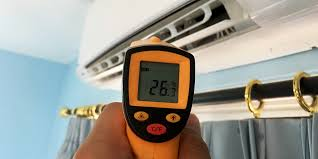
We often consider air pollution to be an outdoor problem envisioning smog filled city skylines or exhaust from heavy traffic. However the reality is that the air inside our homes offices and schools can often be two to five times more polluted than the air outside. Since most people spend approximately for their lives indoors the quality of that air has a direct and profound impact on our health mood and productivity.Indoor air quality testing is the professional process of measuring this environment providing a clear picture of what we are breathing and how to improve it. By shifting from guesswork to data driven insights we can transform our indoor spaces into true sanctuaries of health.
Understanding the Importance of Indoor Air Quality Testing for Health
The primary reason to prioritize indoor air quality testing is the protection of human health. Many indoor pollutants are invisible and odorless meaning they can linger for months without being noticed. These silent intruders can cause immediate symptoms like headaches dizziness and fatigue often referred to as sick building syndrome. For individuals with existing conditions like asthma or allergies poor air can lead to frequent flare ups and respiratory distress. Long term exposure to certain contaminants such as radon or high levels of volatile organic compounds has even been linked to more serious chronic diseases. Testing provides the necessary baseline to identify these risks before they become life altering health issues.
Identifying Common Pollutants Through Indoor Air Quality Testing
When a professional conducts indoor air quality testing they are looking for a specific set of common culprits that frequently hide in modern buildings. One major category is Volatile Organic Compounds which are gases released from everyday items like new carpets furniture cleaning solvents and even air fresheners. Another concern is particulate matter which consists of tiny dust smoke or pollen bits that are small enough to enter the bloodstream through the lungs. Testing also checks for biological hazards like mold spores and bacteria which often thrive in damp areas or neglected ventilation systems. Finally monitors look for dangerous gases like carbon monoxide and radon ensuring that the chemical balance of your air remains within safe breathable limits.
How the Process of Indoor Air Quality Testing Works
The journey to cleaner air typically begins with a professional assessment that is simple and non invasive. A specialist will perform a visual walkthrough to identify obvious trouble spots such as water damage or poor ventilation. Following this they deploy advanced sensors and sampling tools to collect air and surface data over several hours or days. This is a crucial step in indoor air quality testing because air circulation is often uneven. A room near the kitchen might have different pollutants than a basement or an upstairs bedroom. The collected samples are then analyzed in a laboratory resulting in a detailed report that outlines exactly what was found and provides professional recommendations for improvement.
The Impact of Indoor Air Quality Testing on Workplace Productivity
In a professional setting the benefits of indoor air quality testing extend beyond physical health to the bottom line of the business. Research has shown that employees working in offices with high quality air and proper ventilation perform significantly better on cognitive function tests. When carbon dioxide levels are too high a common issue in crowded meeting rooms people tend to feel drowsy and struggle to concentrate. By investing in regular air quality audits employers can reduce absenteeism boost employee morale and create an environment where the team can remain focused and energetic throughout the workday. It is an investment that pays for itself through increased efficiency and a healthier corporate culture.
Simple Steps to Supplement Indoor Air Quality Testing
While professional indoor air quality testing gives you the what and where there are many simple human scale habits you can adopt to maintain that quality daily. One of the most effective methods is natural ventilation. Opening windows for just ten minutes a day can flush out accumulated stale air and odors. Additionally keeping indoor plants like peace lilies or snake plants can help naturally filter out small amounts of toxins. It is also important to stay on top of maintenance tasks such as replacing filters every three months and using a vacuum with a high efficiency filter to catch fine dust. These small actions combined with periodic professional testing ensure that your indoor environment remains fresh and vibrant year round.
Choosing the Right Partner for Indoor Air Quality Testing
To get the most value from your assessment it is important to work with a partner who understands both the science and the human side of the environment. A high quality indoor air quality testing provider will not just hand you a sheet of numbers. They will sit down with you to explain what those numbers mean for your family or your employees. They should offer customized solutions whether that involves installing a dehumidifier to prevent mold or upgrading your ventilation system to handle higher occupancy. By choosing a transparent and experienced specialist you gain more than just data you gain a roadmap to a healthier life.
Conclusion Breathing Easier with Regular Testing
Ultimately indoor air quality testing is about taking control of the environment where you spend the vast majority of your time. We are often very careful about the water we drink and the food we eat yet we take the air we breathe for granted. By making air quality a priority you are investing in your long term well being and the health of everyone who enters your space. Whether you are a homeowner wanting a safe haven for your children or a manager looking to support your staff knowing the truth about your air is the first step toward a clearer fresher and more productive future.