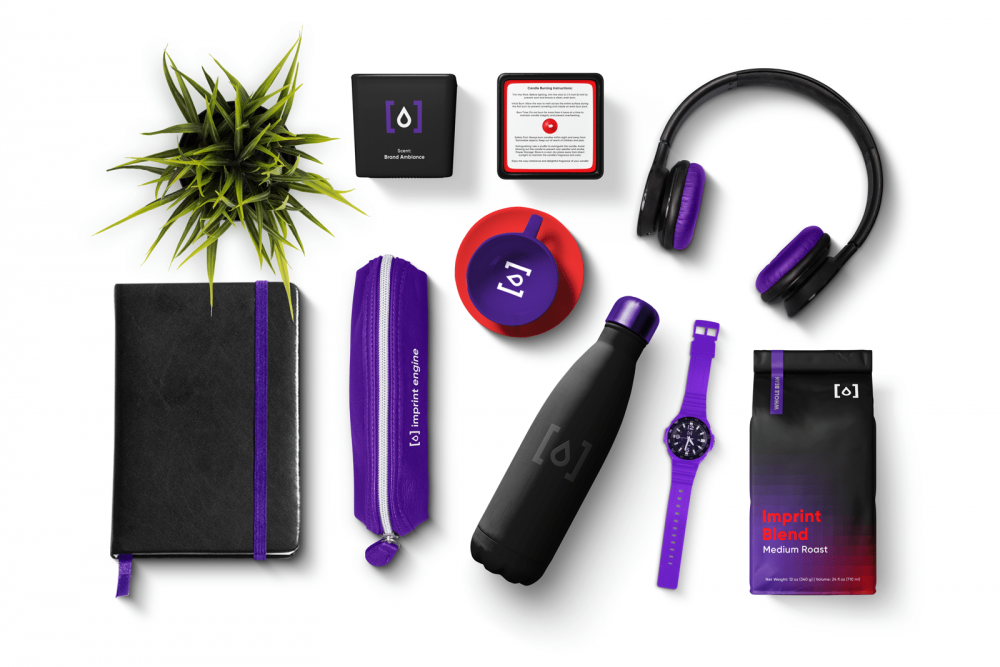
In a competitive business landscape, it is crucial to find strategic ways to promote your brand. Small businesses sometimes find it difficult to stay ahead in the market, even though many of them use online advertising and digital marketing. One tool that remains powerful is merchandising.
As a small business, you have to manage all the inventory, serve customers, and handle day-to-day operations. Mastering the skill of merchandising can have a visible impact on sales. Merchandising can engage more customers and provide a memorable experience, and build customer and brand loyalty.
What is Merchandising in Business?
Merchandising is the art of promoting and presenting your products to customers in a way to attracts them and encourages purchases. It is about the placement of your products, whether online or offline, to fulfill the requirements and expectations of the consumers.
Merchandising is used for both retail and e-commerce marketing. In retail marketing, businesses use carefully organized, eye-catching shelves to help customers easily find their desired products. In e-commerce marketing, it is about providing a seamless customer experience through strategic tools and services, such as intuitive navigation and personalized promotions.
Types of Merchandising Every Business Should Know
Merchandising is not a single strategy that can be applied to multiple brands; rather, it is a blend of strategies designed to achieve specific business goals. Whether you’re optimizing your layout or enhancing your e-commerce marketing strategy, there are many merchandising options to help your products be presented and increase sales.
- Retail Merchandising:
It is the placement of products on shelves in physical stores. This includes prominently displaying high-demand products and placing impulse goods (e.g., keychains, candy) near checkout areas.
- Omnichannel Merchandising:
It enables purchasing from any customer touchpoint, whether in a physical or online store, such as a website, apps, or social media. This allows consistent branding and seamless alignment across all the channels.
- Product Merchandising:
It involves selecting and promoting a specific product, offering discounts and highlighting key features and benefits, or offering it in exclusive bundles.
- Visual Merchandising:
It creates eye-catching visual displays in physical or online stores. Using lighting, color, signage, or product arrangements to make it appealing and engaging.
- Cross-Merchandising:
It includes promoting complementary products with the main products. An example can be placing a phone case next to smartphones in physical shops. Corporate gifts suppliers Dubai often have this offer to bundle wrap multiple options, so they display them together.
- Digital/E-commerce Merchandising:
Optimizing the online stores to make consumers feel confident while shopping. Personalized recommendations, search functionality, and product category optimization are part of digital merchandising.
Key Strategies to Make a Big Impact on Small Businesses
Merchandising focuses on visually presenting products and on strategic product storytelling to create an engaging, cohesive customer experience. The main goal in improving the customer experience is to drive sales and stay competitive. The following techniques will help you make a big impression on your small business through merchandise.
- Craft a Strategic Layout and Flow
Your store layout defines how a customer moves through your entrance, which ensures visibility of key items. The flow of stores depends on the type: a grid layout for a large amount of inventory, a loop layout for a wide variety of items, and free-flow for small shops, to create a sense of exploration.
- Establish a Powerful Visual Display
Visual merchandising is a powerful 24/7 advertising tool for your products, which can be displayed in windows to entice customers to come inside. It can include product arrangement that tells a story that fits people’s lifestyles. For example, a beach day shelf can have sunblock, a hat, or sunglasses. Same for online, arrange in bundles or categories.
- Compelling Placement of Products
It is a placement of a product where it can drive sales. The main goal is to encourage additional sales by placing a high-demand item at eye level for customers and on the website home page for online customers to see naturally. You can utilize the checkout counter areas for small impulse goods.
- Improve Customer Experience
A seamless customer experience can automatically build customer loyalty. Add background music, a fresh scent, and allow customers to touch your products. Use clear, concise signs and highlight the benefits. Maintain product quality and keep your shelf clean. For e-commerce, use a clean, sophisticated theme.
Benefits of Branded Merchandise
Branded merchandise is a way to promote your business using your brand’s logo or title, like mug printing. Custom merchandise with a logo is often used for the company’s products and services.
- Enhance Visibility
Brand merch with a logo, whether it’s a t-shirt, tote bag, or keychain, provides exposure to a wider audience as people use it daily. They may become your brand ambassadors, and as people become familiar with your brand, recognition increases.
- Develop a Strong Impression
Unlike forgettable digital ads, brand merchandise stays with people as they wear it, whether they are clients, employees, or customers. A positive experience is associated whenever they think of your brand, and it builds customer loyalty and trust.
- Cost-Effective
Promotional merchandise is cost-effective, especially for small or mid-sized businesses. TV or digital ads may be expensive and intangible, while brand merch can help reach the right audience, especially at events and trade shows.
- Increase Customer Engagement
Incorporating the items that are useful and appealing to consumers can be valuable and exciting. Customers are more likely to take tangible items and build a deeper connection, enabling them to share the experience with others.
- Versatility and Creativity
You have multiple creativity options for the promotional merchandise. You can customize your brand message on your item, whether apparel or tech gadgets, to stationery or drinkware, there are compelling opportunities.
Final Thoughts
In this digital marketing world, the power of merchandise cannot be underestimated. Picking up the right merchandise and using it strategically can open up various opportunities and increase sales. From retail to digital merchandising, each of them is designed for specific business types to promote their products.
Techniques to utilize merchandise are necessary to understand. Set the right flow and layout that match your brand, develop powerful displays and set them in categories, put high-demand items on eye level, and enhance customer experience to build a connection with them.
Opting for promotional merchandise can also help to advertise your products by printing your logo on tangible items. It not only boosts visibility but also leaves a lasting impression, improves the customer experience, offers multiple creative options, and is cost-effective. Small businesses can easily choose the right merchandise for their brands to make a big impression.