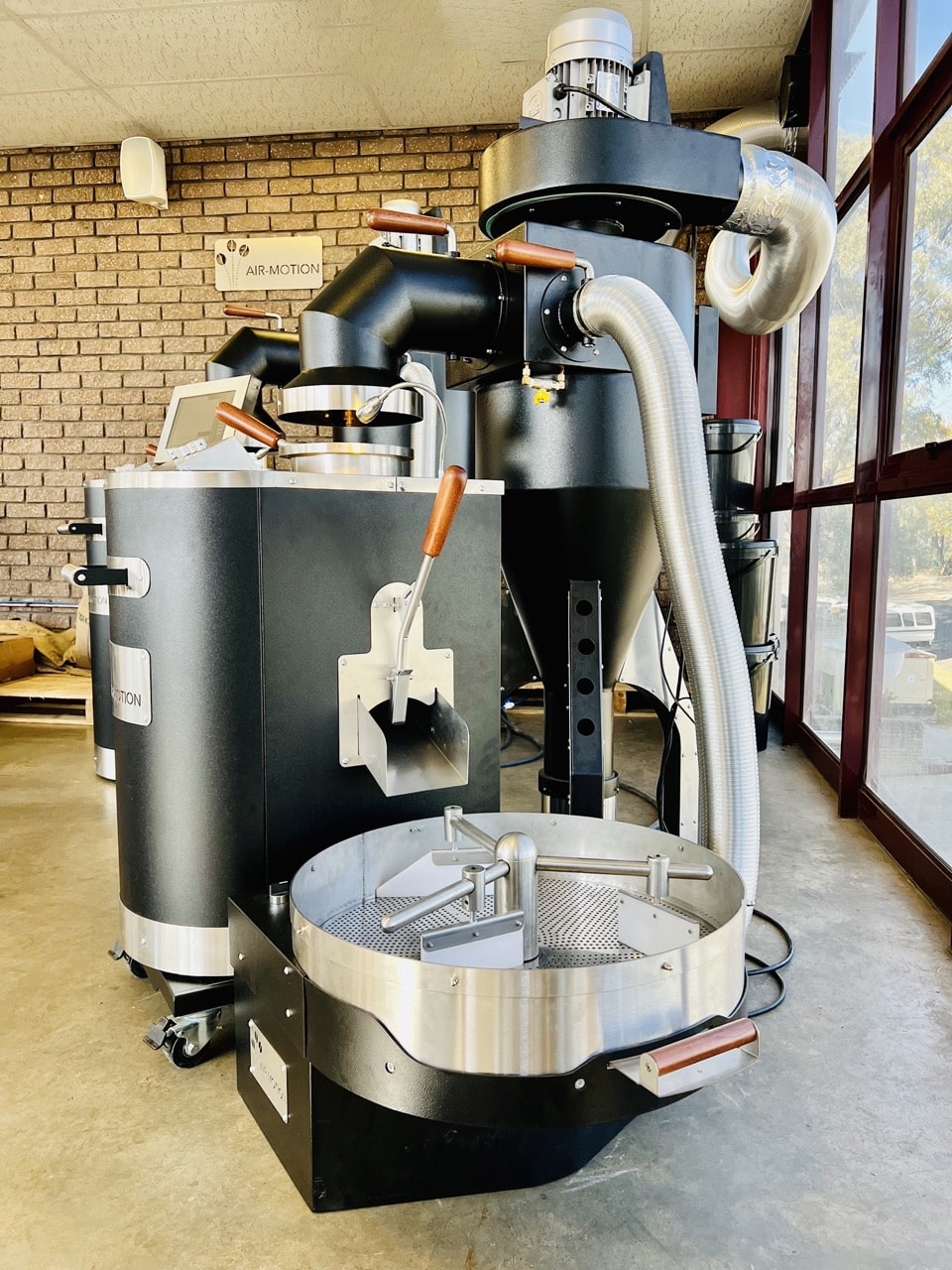
Early roasting setups often feel good enough. The machine heats up, beans roast, and results appear acceptable. Over time, small frustrations start to surface. Profiles drift, repeatability slips, and adjustments feel limited. These moments usually trigger a closer look at the equipment itself.
This blog looks closely at why that difference exists and how a 3kg air coffee roaster signals a shift from basic output to controlled production. The gap is not cosmetic. It is structural, operational, and cumulative. Keep reading, because the separation becomes clearer once performance details are examined rather than assumed.
Why Do Entry-Level Machines Feel Simple But Restrictive?
Entry-level machines are built to remove barriers. Controls are minimal, systems are forgiving, and the learning curve feels gentle. At first, this simplicity builds confidence. Over time, the same simplicity becomes a ceiling. Heat changes arrive late, airflow stays fixed, and repeatable results depend heavily on instinct.
An air roaster for coffee at a higher tier introduces more control points, not to complicate roasting, but to give structure to decision-making. That structure becomes valuable once curiosity turns into consistent goals.
How Does Heat Responsiveness Change At This Scale?
Heat behavior is one of the first differences noticed when moving up. Entry-level machines often rely on slower, broader heat adjustments. When beans react quickly, the system struggles to keep pace. A 3kg air coffee roaster responds more immediately to input changes. Heat rises smoothly, settles predictably, and adjusts without overshooting.
This responsiveness allows development to unfold gradually rather than being corrected midstream. Over multiple batches, this control builds trust in the process instead of forcing constant intervention.
Why Does Airflow Stop Being Passive?
In basic machines, airflow exists but rarely changes. Beans move, but uneven exposure often goes unnoticed until results vary. In a more advanced coffee roaster air system, airflow becomes an active variable.
Beans remain evenly suspended, allowing heat to reach all surfaces consistently. This reduces tipping, scorching, and uneven development. With better airflow control, roasting shifts from managing problems to shaping outcomes with intention.
How Does Consistency Replace Guesswork?
Entry-level roasting often feels different every time. Minor changes in load, timing, or environment can produce noticeable differences. A 3kg air coffee roaster reduces these variables through stable mechanics and predictable behavior.
Sensors, airflow balance, and controlled heat delivery create a repeatable environment. This consistency allows learning to accumulate. Each batch builds on the last instead of starting fresh.
Why Does Feedback Feel Clearer And Faster?
Feedback is how skill develops. In basic machines, feedback arrives late or feels vague. Changes do not always lead to expected results. With a higher-quality air roaster for coffee, cause and effect become easier to trace.
Adjusting airflow or heat produces visible, timely responses. This clarity shortens the learning curve and supports more confident experimentation without risking entire batches.
What Role Does Build Quality Play Over Time?
Build quality rarely matters on day one. It becomes noticeable months later. Entry-level machines may flex, drift, or lose calibration under regular use. A 3kg air coffee roaster is built for stability.
Panels align cleanly, components hold their settings, and performance stays consistent. This durability supports frequent roasting without constant recalibration, allowing focus to remain on development rather than maintenance.
How Does Roast Development Feel More Controlled?
In smaller machines, development can feel rushed or uneven. Adjustments arrive late, forcing compensation rather than guidance. A more advanced coffee roaster air setup allows development to unfold gradually.
Heat and airflow stay aligned with bean behavior. This control supports a wider range of roast profiles without stress. Development feels deliberate rather than reactive, even as batch after batch moves through the system.
Why Does Cooling Become Part Of Quality Control?
Cooling often receives little attention early on. Slow or uneven cooling can blur final results. A 3kg air coffee roaster typically integrates faster, more uniform cooling that stops development precisely when intended.
This protects clarity and preserves the work done during the roast. Over time, reliable cooling becomes just as important as consistent heating.
How Does Workflow Become Calmer And More Focused?
Basic machines demand constant attention. Adjustments feel urgent, and timing feels tight. With improved systems, workflow slows down in a good way. Inputs are planned, changes are measured, and monitoring feels steady.
An air roaster for coffeeat this level supports focus instead of urgency. This calmer rhythm reduces fatigue and improves decision quality across longer roasting sessions.
What Makes This Size Practical For Growth?
Smaller machines reach their limits quickly once expectations rise. Production volume, testing needs, and consistency demands expose weaknesses. A 3kg air coffee roaster sits at a practical midpoint.
It supports development work, limited production, and repeatable profiles without overwhelming complexity. This size allows growth while maintaining control, making it a natural step forward rather than a leap.
How Does Confidence Replace Uncertainty?
Confidence grows when results repeat. Entry-level machines often leave doubts behind each batch. Was it timing, heat, or chance? With better control and stability, answers become clearer.
A coffee roaster air system at this level turns roasting into a guided process rather than a hopeful outcome. Confidence replaces uncertainty as patterns emerge and repeat.
Conclusion
The difference between starting and progressing is rarely about ambition alone. Equipment plays a quiet but powerful role.
A 3kg air coffee roaster marks the point where control, consistency, and understanding begin to align. It separates basic operation from intentional roasting, offering a foundation that supports learning, stability, and growth.
When the process becomes predictable without becoming rigid, roasting moves into a more thoughtful and rewarding phase with a 3kg air coffee roaster at its center.