Changing your flooring is one of those decisions that seems simple at first. You pick a colour, choose a finish, and schedule installation. In reality, the floor you select will influence how your home feels every single day. It affects sound, warmth, cleaning routines, and even how large a room appears to be.
Before committing, it helps to slow down and compare styles properly. Not just visually, but practically. What works beautifully in a showroom may feel completely different once installed in your home. Flooring performance should always be evaluated against the manufacturer’s technical sheets, including wear-layer thickness, moisture-resistance ratings, and structural stability standards.
Investing in quality flooring is not just about aesthetics; it is about structural reliability and long-term performance.
What Should You Look at Before Falling for a Style?
Most people begin with appearance. That makes sense. Flooring is a large visual surface, so tone and texture matter.
However, step back and consider:
- How much natural light enters the room
- Whether pets or children will use the space
- If underfloor heating is installed
- How often you realistically want to maintain it
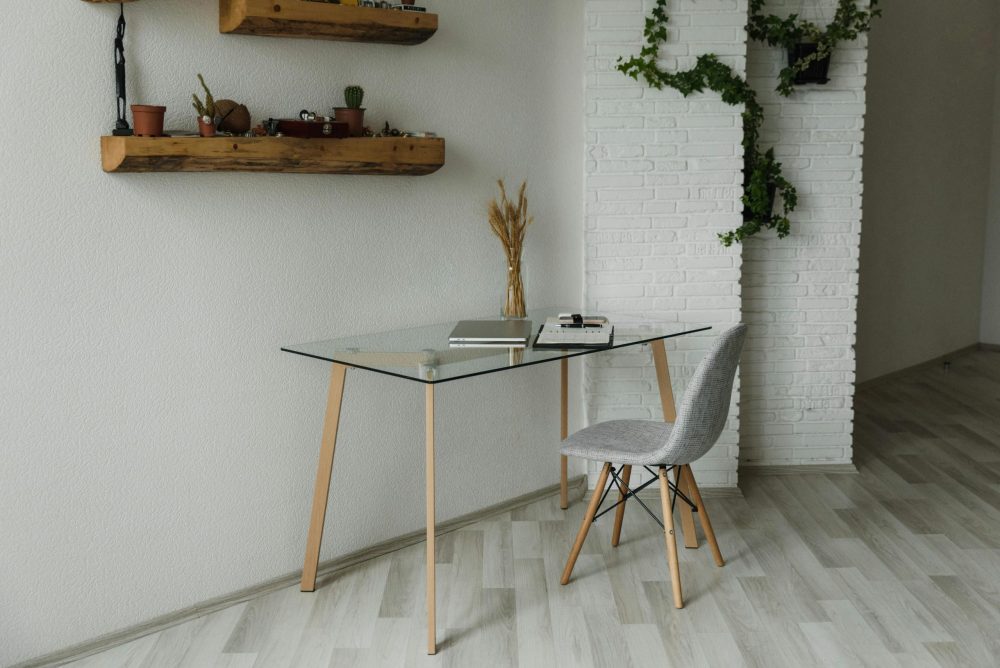
For example, white flooring can make smaller rooms feel brighter and more open. But in high-traffic areas, you will need to consider how often it will need cleaning. Lighter tones show dust differently than mid-tone finishes.
In coastal regions, many homeowners explore Mersey flooring options that are better suited to local humidity conditions. Climate plays a bigger role than people realise.
How Do Solid and Engineered Wood Really Compare?
Wood remains a popular choice because of its warmth and natural character.
If you plan to buy wood flooring, it’s essential to understand the difference between solid and engineered boards.
Solid wood is cut from a single piece of timber. It can be sanded and refinished multiple times, which makes it long-lasting. However, it naturally expands and contracts with changes in temperature and moisture.
Engineered wood, on the other hand, has a hardwood surface layer with a stable core beneath. This layered construction reduces movement. Many modern households prefer engineered boards because they perform better over underfloor heating systems. Both options offer authenticity. The difference lies in structure and long-term stability.
According to industry installation guidelines, engineered boards with a 3mm or thicker wear layer can offer decades of performance when properly maintained. Professional installers consistently recommend checking subfloor moisture levels before fitting timber-based materials to prevent long-term expansion issues.
Is Laminate a Practical Alternative?
Laminate has improved significantly over the years. It is no longer just a budget substitute. High-quality laminate mimics wood grain convincingly and offers strong scratch resistance.
Options such as white laminate flooring are especially popular in contemporary interiors. They reflect light well and create a clean, fresh look without the maintenance demands of solid timber.
For busy homes, laminate can feel less stressful. Spills are easier to manage, and surface durability is often higher than people expect.
Still, it is important to compare thickness levels and wear ratings before making a choice.
Do You Prefer Clean Modern or Warm Rustic?
Style is personal. Some homeowners prefer smooth, minimal finishes. Others want visible knots and texture.
If your taste leans towards character and depth, rustic oak flooring offers natural variation and grain patterns that feel lived-in and welcoming. It pairs beautifully with neutral walls and textured fabrics.
In contrast, sleek finishes, such as white flooring, support Scandinavian-inspired or modern interiors. They create visual space and allow furniture to stand out.
When reviewing Mersey flooring collections, ask to see full-size samples. Small swatches can be misleading. Place boards on your floor at different times of day to observe how lighting changes the colour.
How Much Maintenance Are You Comfortable With?
Be honest about your routine. Every material has care requirements.
If you intend to buy wood flooring, understand that natural wood may need occasional refinishing over the years. Protective coatings help, but scratches can still appear in high-traffic zones.
Laminate options, including white laminate flooring, generally require less maintenance. Regular sweeping and light mopping are usually enough.
Textured finishes, such as rustic oak flooring, can disguise minor marks better than ultra-smooth surfaces. That small detail can make a difference in family homes.
What About Cost Beyond the Boards?
The material itself is only part of the total investment. You also need to factor in:
- Subfloor preparation
- Underlay materials
- Installation labour
- Long-term care
Sometimes engineered boards provide better value than solid timber once fitting and stability are considered.
Comparing multiple Mersey flooring suppliers can also reveal differences in warranties and aftercare support. A slightly higher upfront cost may result in better durability and fewer issues later.
Conclusion
After narrowing down your options, take these final steps:
- Order samples and test them in your space.
- Review manufacturer specifications carefully.
- Ask about warranty coverage and wear layers.
- Confirm compatibility with heating systems.
- Think about resale appeal in the long term.
Whether you prefer the brightness of white flooring, the texture of rustic oak flooring, or the practicality of white laminate flooring, comparing styles thoroughly protects your investment.
Flooring is not just about today’s trend. It is about how you want your home to feel in five years. Choosing the right material today prevents costly replacement decisions in the future. Taking the time to evaluate materials, finishes, and maintenance requirements ensures you choose something that works for your lifestyle, not just your Pinterest board.