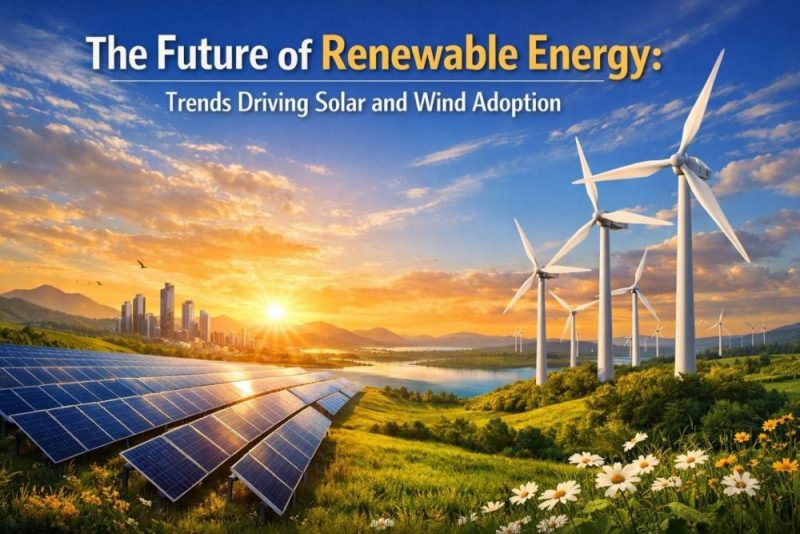
The Global Shift Toward Renewable Energy
The current global energy landscape is undergoing a revolution due to the pressing need to solve the problem of climate change and minimize the amount of carbon footprint generated through burning fossil fuel sources like coal, oil, and natural gas. Rising global temperatures and atmospheric carbon footprints are driving nations toward adopting alternative energy sources such as solar and wind power in an effort to minimize emissions from these sources.
Many countries have set net-zero emissions goals that target a period before 2050 or 2070. The other factor that is contributing to the adoption of renewable energy sources is the development in technologies that are making these sources competitive compared to traditional fuels. Another aspect fuelling the transition to green energy sources is the increased demand for energy due to factors such as urbanization, population growth, and the electrification of the transport and industrial sectors. Finally, international agreements like the Paris agreement together with geopolitical risks associated with dependency on energy imports from hostile nations are pushing nations to adopt renewable energy.
Technological Innovations Driving Solar Energy Efficiency
The developments in technology have immensely contributed to making solar energy generation more efficient, affordable, and scalable. The first step involves the improvement in solar PV cell efficiency, where new monocrystalline silicon panels produce more energy than conventional silicon-based panels. Furthermore, the new generation of perovskite solar cells promises even higher levels of efficiency with lower production costs. Besides that, economies of scale and automation in solar panel manufacturing have reduced the global price of solar panels, making them more affordable worldwide.
Moreover, the emergence of bifacial solar panels capable of collecting energy from the front and rear sides increases the amount of produced energy. By using artificial intelligence and Internet of Things, it is possible to monitor the operation of solar plants as well as predict future maintenance. Engineers install floating solar farms on the surfaces of rivers, dams, and other water bodies to reduce land consumption.
Building Integrated Photovoltaics (BIPV) are solar power systems that integrate directly into buildings, such as roofs, facades, or glazing applications, to generate electricity while forming part of the building structure. Such technology involves replacing the building materials with renewable sources of energy production, and it does not consume any more land.
Advancements in Wind Power and Offshore Wind Farms
Wind energy has experienced remarkable improvements in technology, making it a major pillar of the global shift towards renewable energy. The first breakthrough involves the creation of wind turbines that produce more energy per unit. This makes the production of energy efficient while making the process less costly per megawatt. Wind farms have become an increasingly popular source of renewable energy since winds at sea can produce much higher energy than winds on land because of the wind speed. The adoption of floating wind technology has helped explore deep-sea wind energy sources that were previously considered difficult to utilize. Also, there are developments in the design of turbine blades, where engineers have used lighter-weight composites to make the blades highly aerodynamic.
Additionally, wind forecasting systems that are computer-based are now used to increase efficiency and predictability of energy generated from wind. Expanding wind farms are also now venturing into regions previously considered unfeasible on account of terrain and wind conditions. Finally, hybrid systems combining wind and solar energies have been used to provide more reliable energy.
Government Policies, and Energy Storage Solutions
Government policies are an important catalyst for increasing the use of renewable energy by creating enabling conditions both economically and politically. There are subsidies, tax benefits, and feed-in tariffs that many governments provide in order to support renewable projects so that they become economically attractive. The other policy tool is Renewable Purchase Obligations, which make the industry and utility companies use a certain proportion of energy produced through renewables. Carbon pricing and cap and trade systems also play a role in making the fossil fuel-based energy sources lose their attractiveness through imposing a cost on polluting activities. Other government initiatives are investments in national renewable energy missions, better energy transmission systems, and deployment of large-scale renewables.
Energy storage methods play an equal role in ensuring that renewable power sources operate efficiently. The use of lithium-ion batteries as energy storage has increased significantly, making energy supply more efficient and reliable by reducing any fluctuations. Experts expect innovations like solid-state and sodium-ion batteries to be safer and more efficient than existing battery types. Large-scale energy storage systems will regulate changes between energy production and consumption. Energy storage using hydrogen technology is another method that ensures energy is stored effectively. Pumped storage using water is one of the effective means to store large amounts of energy.
Conclusion
Renewable energy is making the shift from being an alternative energy source to becoming the core energy system of the world. Technologies relating to solar and wind sources are improving day after day to become more efficient and affordable for everyone. Robust government regulations coupled with increased investments by the private sector are driving this global shift in the energy sector. Energy storage technology is playing a pivotal role in overcoming intermittency issues, thus providing consistent energy flow.