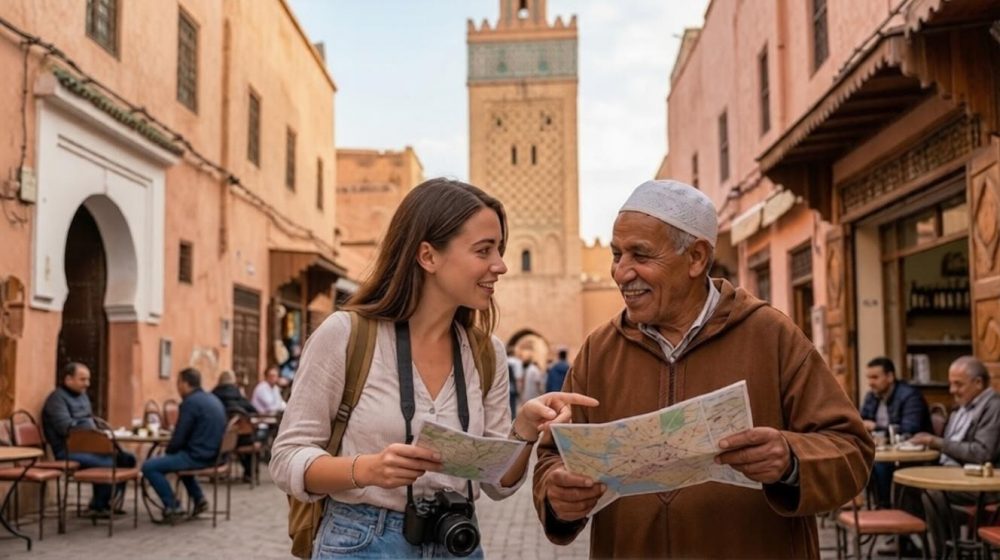
Every traveler has been there. Tabs open everywhere, the same ten restaurants appearing on every website, and a creeping suspicion that half those five star reviews were written by someone getting a free meal out of it. Nobody talks enough about how hard it actually is to find genuine local travel advice before visiting somewhere new — and yet almost every experienced traveler has figured out their own way around it.
Here is what actually works.
The Problem With Googling Everything
Type any city name into Google and what comes back is basically a leaderboard of whoever paid the most to be there. The top results are not the best options — they are the most promoted ones. Big difference. Travel blogs sitting just below that are not much better either. A lot of them were put together by someone who spent three nights in a sponsored hotel, followed a press trip itinerary from start to finish, and called it a city guide.
None of that makes them completely worthless. For getting a general sense of a place they do the job. The issue is that travelers who stop there end up with a trip that looks exactly like everyone else’s. Same spots, same food, same feeling at the end that something was missing without being able to explain what.
People Who Actually Live There Know Things Google Does Not
This one sounds so straightforward that most people nod along and then go straight back to scrolling travel websites anyway.
Someone who has spent a few years in a city develops a completely different relationship with it. Their coffee order is known at a place two streets from their apartment. They know which day the good vegetable stall shows up at the local market.
They have walked the same neighbourhood enough times to notice what changed and what stayed the same. That kind of familiarity takes time to build and no travel writer spending a long weekend there picks it up.
Facebook groups for expats, Reddit threads dedicated to specific cities, neighbourhood forums where residents sort out day to day life — all of these carry that kind of knowledge and most of them are open to questions from people planning a visit. The trick is asking something worth answering. A question like “decent place for breakfast near the old port that is not full of tourists” lands differently than “best restaurants please.” One signals that the person asking actually wants to know. The other looks like it could have been typed by anyone.
That difference in approach is what separates a useful answer from a generic one — and it is one of the most straightforward ways to get genuine local travel advice that has not been filtered through anyone’s marketing department.
Niche Communities Are Sitting on a Goldmine of Local Knowledge
Nobody thinks to look here. That is the whole point.
Online spaces built around hobbies, shared interests, cooking, language learning, photography — whatever the topic — are full of people who happen to live in cities all over the world. They are not there to give travel advice. They are there because they care about something specific. But people talk about their lives in these spaces. They mention where they grabbed lunch before the meetup. The recommend a neighbourhood they have been spending time in lately. They complain about a market getting too crowded recently — which tells you the market exists and is worth visiting before it gets worse.
A platform like free astrology chat for example might have a regular member living in Lisbon who casually drops the name of a Sunday market near their place into a completely unrelated conversation. That one mention — thrown out with zero agenda — is more useful than an entire listicle about Lisbon because there is genuinely nothing behind it. No brand deal, no affiliate link, no reason to say it except that it is actually good.
Showing up in these spaces with a genuine question, asked politely and with some actual context, almost always produces genuine local travel advice that the algorithm would never surface on its own.
How the Question Gets Asked Matters As Much As Where
Walking into any community and posting “What should I do in Barcelona?” is the fastest way to get ignored—or to receive nothing more than a Wikipedia-style summary. Locals respond to curiosity that feels real.
A few things that consistently work better —
Bring some context. Mention what kind of trip it is, roughly what the budget looks like, whether crowds are tolerable or something to avoid. Locals can actually point somewhere useful when they know what they are pointing toward.
Ask about what to skip. This question almost always gets honest answers. People who live somewhere tend to have opinions about tourist traps. They are usually happy to share them somewhere that is not a public review platform. Knowing what to avoid is half the value of genuine local travel advice. Most travelers never think to ask for it directly.
Social Media Has More Local Knowledge Than It Lets On
The default way most people use social media for travel research — searching a city name and scrolling through influencer posts — is close to the least useful approach possible. Try searching for a specific street, a local market name, or a particular neighbourhood instead. What you usually get are recommendations from people who actually live there, rather than from people just passing through with a content calendar.
Comments sections on local business pages are another spot worth checking. Actual customers leaving actual thoughts with no particular reason to perform for an audience.
Wrapping Up
There is no single magic source for genuine local travel advice. But there is a clear pattern in where it tends to live. Past the first page of search results, inside expat communities, buried in niche forums. Scattered across social media searches that most travelers never think to run. The research takes a bit more effort than typing a city into Google. What comes back is a version of the place that most visitors never get to see.
That gap is worth closing before the trip — not after.