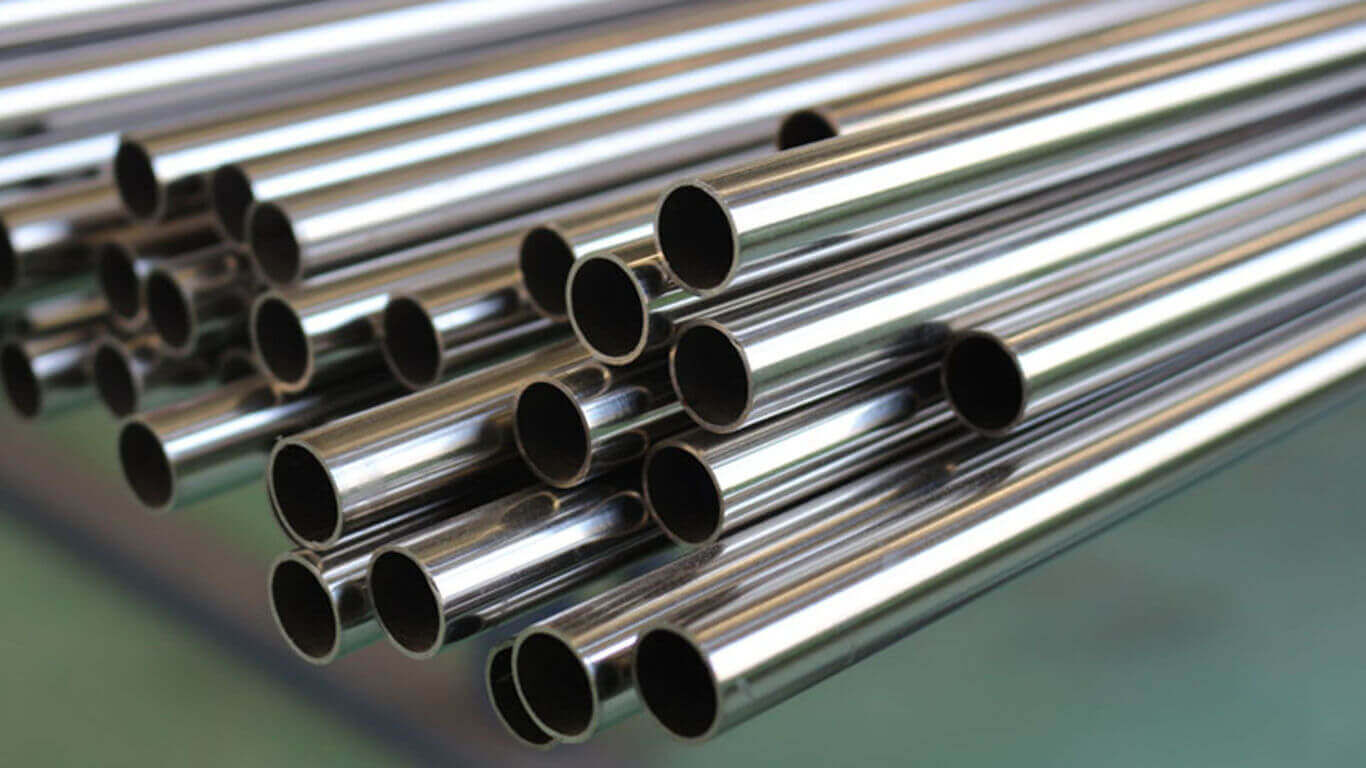
Stainless steel tubes are hollow sections used in many industries for fluid transfer, structural support, and mechanical systems. They are available in different sizes, grades, and shapes to match specific operating conditions and design needs.
Industries rely on SS tubes because they hold up well under harsh conditions like extreme temperatures, corrosive environments, and high pressure. High-strength stainless steel tubes are used in critical applications where reliability matters, from chemical plants to offshore platforms. The combination of durability, corrosion resistance, and versatility makes them a practical choice across many sectors.
What Are Stainless Steel Tubes?
Stainless steel tubes are hollow sections made from steel alloys with at least 10.5% chromium. This chromium creates a thin oxide layer on the surface that protects against rust and corrosion. Tubes are available in round, square, rectangular, and custom shapes.
Pipes and tubes are not the same. Engineers size pipes by internal diameter because flow capacity matters most. They size tubes by outer diameter and wall thickness, as accurate dimensions matter more. Professionals typically use tubes in precise work, like instrumentation, medical devices, and structural frames. Workers mainly use pipes to carry liquids or gases.
Properties of Stainless Steel Tubes
Corrosion Resistance: The chromium in stainless steel forms a passive layer that protects against rust, moisture, and chemical attack, making SS tubes suitable for outdoor, marine, and chemical environments.
High Strength and Durability: Stainless steel can handle force, pressure, and heavy loads without bending or breaking. It keeps working well even in tough conditions for a long time.
Heat and Pressure Resistance: Some stainless steel grades stay strong even at high temperatures and pressures, so they work well in boilers, heat exchangers, and other industrial equipment.
Hygienic and Easy to Clean: The smooth, non-porous surface does not harbour bacteria or contaminants. This is important in food processing, pharmaceutical, and medical applications.
Aesthetic Appearance: Stainless steel has a clean finish that works well in visible architectural applications without needing paint or coating.
Types of Stainless Steel Tubes
Seamless Stainless Steel Tubes
Made by piercing a solid steel billet, these have no welded joint. Stainless steel seamless tubes are stronger under high pressure and are commonly used in oil and gas, power generation, and similar applications.
Welded Stainless Steel Tubes
Formed by rolling flat steel strips and joining the edges with a weld. More affordable than seamless tubes and suitable for moderate-pressure applications.
ERW Tubes
Manufacturers make Electric Resistance Welded tubes by fusing strip edges using electrical resistance heat, without filler material. They offer consistent wall thickness and engineers use them in structural and automotive applications.
Round, Square & Rectangular Tubes
Where round tubes move liquids or support frameworks, square and rectangular ones appear most often in building tasks requiring even pressure spread across straight edges. Flat-sided profiles gain preference when alignment matters just as much as strength during assembly processes.
Common Grades of Stainless Steel Tubes
SS 304 is the most common stainless steel tube grade. It has 18% chromium and 8% nickel, which gives it good corrosion resistance. It is widely used for general applications such as food equipment, kitchen fittings, and architectural work.
SS 316 includes molybdenum, which boosts its resistance to chlorides and strong chemicals. This makes it a better choice for marine conditions, pharmaceutical machinery and chemical processing systems where exposure to saltwater or aggressive media is likely.
Duplex stainless steel has a dual-phase microstructure that gives it greater strength than common grades such as 304 or 316, while still maintaining solid corrosion resistance. It is widely used in oil and gas pipelines, pressure-containing vessels, and desalination facilities.
Applications of Stainless Steel Tubes
Stainless steel tubes are used across many industries because they perform reliably in different environments involving pressure, chemicals, heat or hygiene requirements.
Oil & Gas Industry
Used in pipelines, downhole equipment, and heat exchangers. They handle high pressure and resist corrosion from crude oil, gas, and related chemicals in both onshore and offshore setups.
Chemical Processing
Grades like SS 316 are used here because they resist chemical attack and do not contaminate the process fluid when exposed to acids, solvents, and high temperatures.
Construction & Architecture
Square and rectangular SS tubes are used in structural frameworks, railings, and facades. They are strong, low-maintenance, and provide a clean finish suited to modern design.
Food & Beverage Industry
Used in processing lines, storage tanks, and transfer systems. The surface is non-reactive, easy to clean, and meets food safety standards.
Automotive Sector
Used in exhaust systems, fuel lines, and structural components. They handle heat, vibration, and exposure to road chemicals without degrading quickly.
Marine Applications
SS 316 tubes are used in boat fittings, offshore structures, and desalination equipment for their resistance to chloride-induced corrosion in saltwater.
Benefits of Stainless Steel Tubes
Stainless steel tubes usually last much longer than options like carbon steel or plastic. This means you need fewer replacements over time. They also need little maintenance because they do not require painting or coating under normal conditions, which helps lower operating costs.
Although the initial price can be higher than that of some other materials, the overall life-cycle cost is often lower due to fewer failures and less maintenance. Stainless steel tubes are also fully recyclable, so the material keeps its value at the end of its service life. They can be used in many areas, including food processing lines, chemical plants, building facades, and offshore structures, by choosing the right grade and form.
How to Choose the Right Stainless Steel Tubes
The application and its requirements are important. Consider what the tube will carry, the environment, and the pressure or load. This will quickly narrow down the suitable grade and tube type. For high-pressure or critical services, seamless tubes are usually preferred. For structural uses, welded or ERW tubes are often enough.
Choose the grade based on corrosion resistance needs. SS 304 works for most general uses. SS 316 is better for saltwater or aggressive chemicals. For higher strength with good corrosion resistance, duplex grades are a good option. Always select size and wall thickness based on real operating conditions, not just minimums. Also, choose a reliable supplier that provides accurate dimensions, certifications, and full material traceability.
Conclusion
Stainless steel tubes provide a reliable mix of corrosion resistance, strength, and low maintenance for many industrial and structural applications. Choosing the right stainless steel grade and tube type for the job boosts performance and helps lower costs over time. Working with a reliable stainless steel tube manufacturer also ensures steady quality and proper paperwork, which is especially important for critical or highly regulated applications.