SS multistage pumps achieve longer service life with proper maintenance, controlled operating conditions, and routine inspections. Avoiding dry running, minimising cavitation, and preventing corrosion are essential to maintain performance and ensure durability in demanding industrial applications.
Understanding SS Multistage Pumps
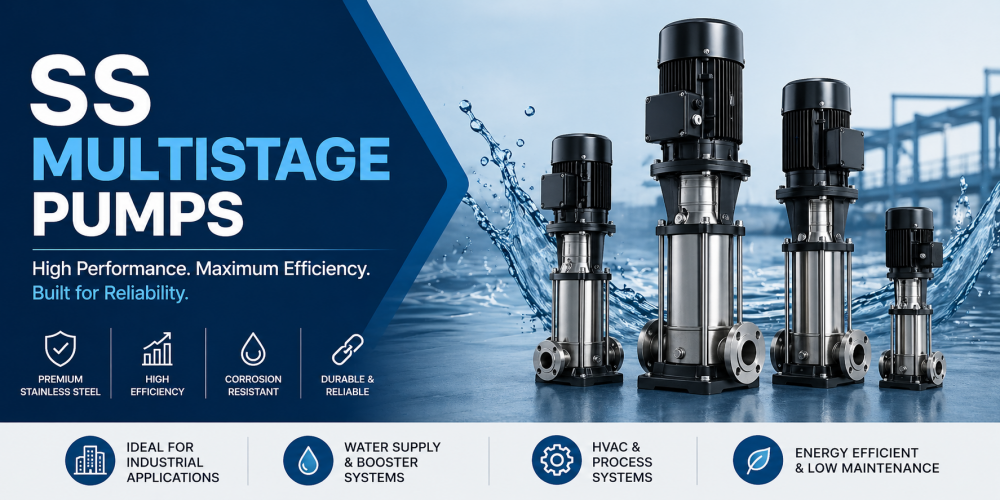
Fluid gains pressure as it passes through the impeller-and-diffuser assemblies. This multi-stage pressure allows the pump to deliver water at heights and pressures a single impeller couldn’t. Engineers rely on this design for extreme vertical transport. Stainless steel is chosen because it doesn’t rust, is clean, and durable. The uses of Stainless steel multistage pumps in HVAC circulation, water supply, food and beverage processing, and reverse osmosis systems due to their longevity and efficiency.
Regular Maintenance Practices
Routine inspection prevents small problems from becoming expensive failures. Regular checks keep the pump performing reliably, while neglect often leads to hidden wear that shows up as sudden failure. One that’s ignored degrades quietly until it stops working.
Inspect for Wear and Tear
Seals, bearings, and impellers all wear over time. Worn mechanical seals allow leakage that accelerates corrosion. Damaged bearings generate heat and vibration that spread to other components. Inspect these parts at regular intervals and replace them before they reach failure point rather than waiting for a breakdown.
Lubrication of Moving Parts
Bearings in externally lubricated pump designs require correct lubricant at the intervals the manufacturer specifies. Under-lubricated bearings generate friction and heat that shorten their service life significantly. Over-lubrication causes its own problems. Follow the specification and stick to the schedule.
Clean the Pump Components
Scale, biofilm, and debris clog pump casings and impellers over time. This ruins flow efficiency and speeds up corrosion. Clean your internal components regularly to remove these deposits before they cause flow restriction or surface damage. Don’t wait until performance drops noticeably. Taking action now keeps your industrial systems running.
Check Alignment and Mounting
A pump that is even slightly misaligned with its motor will generate vibration, leading to premature wear of bearings and seals. Over time, this can cause serious damage to internal components. Check alignment during installation and at regular maintenance intervals, especially after any pipework changes.
Proper Installation Techniques
Correct installation at the start prevents a category of problems that no amount of maintenance can fix afterwards.
Ensure Proper Alignment
Pump and motor shafts must be aligned within the manufacturer’s tolerance before commissioning. Misalignment transmits mechanical stress through the coupling to both shafts continuously, wearing bearings and seals from day one.
Use Correct Piping Setup
Pipework connected to the pump should not transmit its own weight or thermal expansion load to the pump casing. Pipe stress causes casing distortion that misaligns the internal stages and accelerates wear throughout the pump.
Install in Suitable Environment
Avoid placing SS multistage pumps where they’ll be exposed to direct sunlight, extreme ambient temperatures, or environments that exceed the pump’s rated operating range. Consistent conditions extend component life.
Operating Best Practices
How a pump is operated day to day affects its lifespan more than most users realise.
Avoid Dry Running
Running a multistage pump without fluid through it damages mechanical seals and impellers within minutes. Dry running is one of the most common causes of premature pump failure. Install a dry-run protection device or low-flow cutout if the application carries any risk of suction supply interruption.
Operate Within Recommended Limits
Every pump has a flow, pressure, and temperature range. Operating near or above those limitations strains components beyond their design life. Choose a pump that matches the operating point and leave room.
Monitor Noise and Vibration
Changes in pump noise or vibration are early warning signs of developing problems: worn bearings, cavitation, impeller damage, or mechanical imbalance. Address unusual sounds promptly. A pump telling you something is wrong is worth listening to.
Importance of Water Quality
Abrasive particles and suspended substances quickly degrade impellers and interior surfaces. Scale from hard water narrows flow pathways and burdens the motor. A properly configured inlet strainer or pre-filtration system protects the pump and extends internal inspection intervals. This arrangement removes wear-accelerating particles. Taking these proactive steps ensures your equipment performs reliably. It also reduces the energy costs associated with a struggling, scale-clogged and overworked motor.
Common Mistakes That Reduce Pump Lifespan
- Ignoring maintenance: routine inspection feels unnecessary until the pump fails during production.
- Overloading the pump: running beyond the design duty point stresses every component simultaneously.
- Using incorrect spare parts: Non-genuine parts often wear out faster because they don’t meet the original tolerances and material specifications, even though they fit well.
- Delayed repairs: a small leak or minor vibration left unaddressed becomes a major failure within weeks in continuous-duty service.
When to Repair or Replace Parts
Instead of waiting for failure, replace mechanical seals when leaking begins. Replace shaky or hot bearings before they seize. Replace impellers with evident erosion or damage to restore efficacy. When recurring repairs approach the expense of a full overhaul, a total refurbishment or pump replacement is usually cheaper. Smart maintenance eliminates costly and sudden equipment failures.
Tips to Maximize Efficiency and Durability
- Use genuine parts: manufactured to original tolerances and material specifications.
- Schedule periodic servicing: Unplanned breakdowns cost more than planned shutdowns for service and inspection.
- Maintain service records: a log of inspections, part replacements, and performance data reveals patterns and lets you predict failure before it occurs.
Conclusion
Extending the lifespan of SS multistage pumps is a matter of consistent, planned attention rather than reactive repair. Routine inspection, correct operation within the design envelope, proper installation, and good water quality together account for most pump failures that could have been avoided. The cost of preventive maintenance is a fraction of the cost of replacing a pump or managing unplanned downtime. Invest in the maintenance programme and the pump will return the investment across years of reliable service.