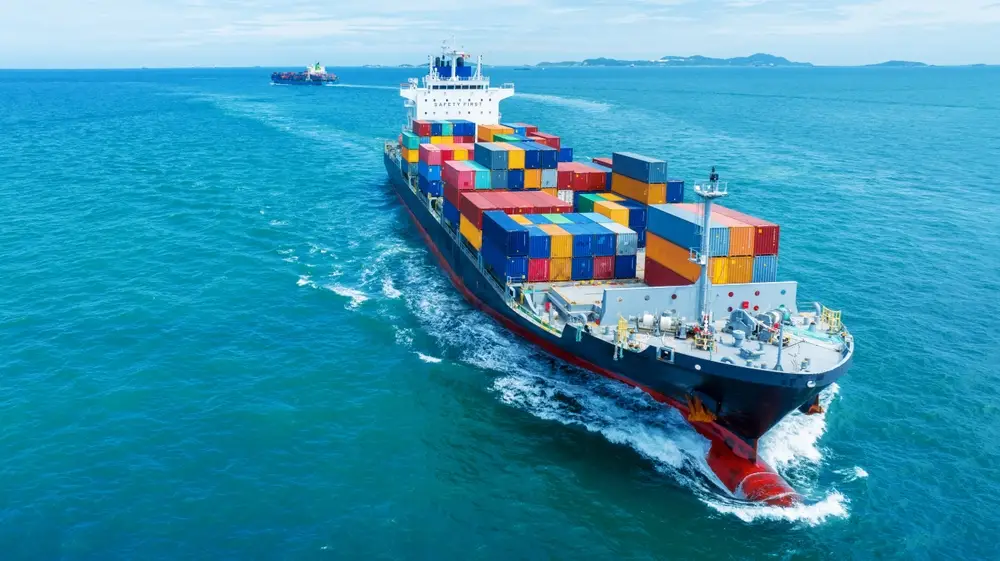
Every time a shipment leaves your facility it is taking on risk the moment it hits the road, rail, air or ocean. Things like weather, accidents, theft and mishandling can turn a delivery into a financial problem for your business. For businesses that move high-value goods regularly losing one shipment can cause problems that take weeks to sort out.
In 2026 supply chains are still dealing with a lot of pressure from directions, such as global instability, rising theft rates and transit routes that are not always predictable. Relying on carrier liability to cover your losses in this environment is not a strategy for your business. It is a gamble. Understanding what cargo insurance costs what drives that cost and how to keep it reasonable is worth your time before the next shipment goes out.
Why Carrier Liability Alone Is Not Enough
This is the part that catches a lot of businesses off guard. Freight carriers do provide liability coverage. It is heavily restricted by transport law and industry regulations. In cases where they pay out it is based on the weight of the shipment, not its value.
So if a container of electronics worth $500,000 gets destroyed standard carrier liability might cover a fraction of that. The rest comes out of your pocket. That is a big problem for your business. Add to that the reality of supply chains with handlers, warehouses, different transport modes and multiple border crossings.. The chances of something going wrong somewhere along the way go up considerably. Cargo theft alone accounts for billions in losses across trade. Dedicated cargo insurance exists to close those gaps so your business is not absorbing losses that should never have been your risk to carry.
What Actually Drives the Cost of Cargo Insurance
Cargo insurance is not priced on a rate. Every policy gets calculated based on the risk profile of your shipments. Here is what insurers are actually looking at:
The value of what you’re shipping. This is the factor. Premiums are calculated as a percentage of the value. A $500,000 container of luxury goods is going to cost more to insure than a $20,000 shipment of materials.
What is in the shipment. Some goods carry risk than others. Electronics, pharmaceuticals, fragile equipment and perishables all land in the higher-risk category. They are more theft-prone more likely to get damaged or both.
How it is being transported. Each mode of transport has its risk profile. Ocean freight deals with weather and long transit times. Air freight is fast. It involves intensive handling. Road transport brings its set of risks, such as accidents, theft at rest stops and route delays.
Where it is going. Geography matters more than people expect. Routes through regions with high cargo theft rates or zones prone to natural disasters will push premiums higher.
How well it is packaged. This one is within your control. Solid, reinforced packaging and proper palletisation reduce the likelihood of handling damage. Insurers know it. They will take that into account when they calculate your premiums.
What to Expect to Pay for Cargo Insurance in 2026
Exact figures depend on your operation. Industry benchmarks give you a useful starting point. For low-risk goods most businesses pay somewhere between 0.3% and 0.5% of the shipment value. For higher-risk categories, such as materials, consumer electronics and high-value pharmaceuticals that rate can climb to 1% or more.
To put that in numbers insuring a $200,000 shipment of goods might run you anywhere from $600 to $2,000 depending on your deductible the coverage type and the specific terms of the policy.
The Main Coverage Types of Cargo Insurance Worth Knowing
You have options when it comes to how protection you actually buy:
1. All-risk coverage
This is the option. It covers loss or damage from any cause with a short list of specific exclusions spelled out in the policy.
2. Named perils coverage
This only covers the risks listed in the contract, such as fire, collision, storm damage and so on.
3. Warehouse-to-warehouse coverage
This covers your goods from the moment they leave the origin facility all the way through to the destination including every handling stage in between.
Practical Ways to Keep Cargo Insurance Costs Down
Insurance is an expense but there are legitimate ways to manage it without cutting corners on coverage:
- Invest in your packaging. Materials and stricter handling protocols mean fewer damage claims.
- Be selective about your carriers. Partnering with freight providers that have safety records and real security infrastructure lowers your risk profile in the eyes of insurers.
- Consider a deductible. If your business has the cash flow to absorb losses without filing a claim raising your deductible can noticeably reduce what you pay monthly.
Protect your claims history. Insurers reward businesses that manage risk well and file claims.
Working With the Right Advisor
Knowing what coverage you need is one thing. Finding the policy at the price across a market full of carriers and options is another. That is where having a specialist in your corner makes a difference.
TWFG Insurance works directly with businesses to assess their cargo exposure compare options across rated carriers and build coverage that actually fits how they operate.
Final Thoughts
Cargo insurance is not a line item to minimize. It is what keeps a shipment from becoming a serious financial problem for your business. Understanding what drives the cost of cargo insurance choosing the coverage type and actively managing your risk profile are the things that let you protect your goods without overpaying to do it.
In a supply chain environment that’s still unpredictable that protection is worth having.. Worth getting right. Cargo insurance is what keeps your business safe from problems. Cargo insurance is what keeps your shipments safe. That is very important, for your business.