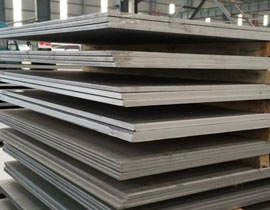
Stainless steel plates are the most commonly used products in almost every industry. From building structures to making kitchen tools, these materials are important because they don’t rust easily and last a long time. When looking for the right material, you will mostly come across two specific grades: SS 304 and SS 316. Even though they might look the same, they perform very differently depending on their application. When picking the right grade, you need to think about the environment, the application, and the budget of your project. When you work with a reliable Stainless Steel Plate supplier, you can be sure that you will get the right grade for your project.
What is stainless steel 304 Plate?
The SS 304 plate is the most common type of austenitic stainless steel. It is often called “18/8” steel because it contains 18% chromium and 8% nickel. It is known for being versatile and affordable. This grade offers good resistance to rust and is easy to shape or weld. Most general-purpose applications use this metal. It works well for construction, food tools, and home appliances where conditions stay relatively mild.
What is stainless steel 316 Plate?
The stainless steel 316 plate is an upgraded version of the 304 grade. It has added molybdenum, which makes it very resistant to corrosion. It protects the plate from pitting, which is a type of localised corrosion that happens in salty or chemically aggressive environments. This makes it the standard choice for marine applications, chemical plants, and pharmaceutical labs where hygiene and chemical resistance are the top priorities.
Key Differences Between SS 304 and SS 316 Plates
Understanding the differences between these two metals helps save money and prevent structural failures. Here are the ways in which they differ.
1. Chemical Composition
304 and 316 mainly consist of chromium and nickel. 316, however, also contains about 2% to 3% molybdenum. That small amount of molybdenum provides the material with excellent corrosion resistance, especially in chloride and marine environments.
2. Corrosion Resistance
316 is much better at resisting corrosion. In marine environments or when dealing with de-icing salts, 304 will eventually start to show brown rust spots. 316 stays clean much longer in those salty or acidic conditions.
3 Strength & Durability
Both of these metals are very strong and can handle a lot of physical stress. However, 316 can hold up better in extremely high temperatures or in harsh environments. It stays in environments where 304 might start to degrade over time.
4. Cost
The price is a big factor for many projects. Since 316 has molybdenum and usually a higher nickel content, it costs more to produce. 304 is more affordable and is usually preferred if budget is the main concern and extra protection isn’t the top priority.
5. Applications
304 is commonly used for general-purpose applications like indoor furniture or standard industrial parts. 316 is preferred for demanding applications, like equipment in marine environments or machines that process strong acids and chemicals.
| Feature | SS 304 Plate | SS 316 Plate |
| Corrosion Resistance | Good | Excellent |
| Molybdenum | No | Yes (2-3%) |
| Cost | Lower | Higher |
| Common Use | General Purpose | Marine & Chemical |
| Environment | Mild / Indoor | Harsh / Outdoor |
Applications of SS 304 vs SS 316 Plates
The common applications of SS 304 and SS 316 plates are mentioned below. Working with a reliable Stainless Steel Plate Manufacturer ensures that the chemical balance in these grades is accurate for these specific uses.
SS 304 Applications
- Kitchen equipment: Applications like sinks, pots, and pans use 304 because it is easy to clean and safe for food.
- Food processing units: Most machines that handle food use 304 to prevent contamination without being too expensive.
- Structural applications: Used in buildings for supports or decorative panels that aren’t exposed to heavy pollution.
- Storage tanks: Standard tanks for water or non-corrosive liquids usually rely on 304 plates.
SS 316 Applications
- Marine equipment: Boat fittings, coastal railings, and underwater parts need 316 to survive the harsh salt environments.
- Chemical processing plants: Tanks and pipes that contain corrosive chemicals need the molybdenum in 316 to prevent leaking.
- Pharmaceutical industry: This industry requires high levels of cleanliness and resistance to strong cleaning agents. 316 is the standard choice for this.
- Offshore structures: Oil rigs and platforms in the middle of the ocean use 316 because the environment is very aggressive.
Which One Should You Choose?
Picking the right metal can feel tricky, but these points make it simple:
- Choose SS 304 for general use: If your project is indoors or in a dry, land-locked area, 304 is usually enough of protection and will save you money.
- Choose SS 316 for high corrosion environments: If there is any salt spray, heavy industrial pollution, or direct contact with chemicals, 316 is the preferred choice.
- Check your budget: If you can’t afford 316, you might have to use 304. However, it might need more maintenance or earlier replacement.
- Think about the long-term: Sometimes paying more for 316 now is cheaper than replacing rusted 304 plates every few years.
Conclusion
Both SS 304 and SS 316 plates are high-quality materials. They both offer strength and a clean look for your projects. The best choice always depends on the applications and the environment. If the environment is dry and clean, SS 304 is the preferred choice. If it will be exposed to salt or acids, SS 316 is the better investment. Picking the right grade today ensures your work stays strong for many years. To find the best materials, always consult with a trusted Stainless Steel Plate supplier.