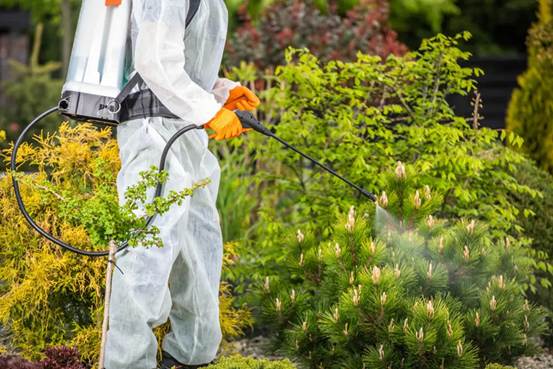
Having a good lawn means ensuring that it is regularly watered and mowed; however, this will not suffice without ensuring that the lawn, soil, and grass are free from any insects that pose harm. Lawn pest control is an important activity that needs to be performed for this purpose. If you have ever asked yourself what lawn pest control entails, this term describes the removal of pests that destroy lawns, turfs, and soil systems while at the same time ensuring safety outdoors.
This technique utilizes preventive maintenance and eco-friendly insect management processes to make sure that your lawn remains pest-free all year round.
Lawn Pest Control Explained
By definition, lawn pest control is an important method of managing insects, larvae, and other pests that harm the health of the grass and the soil. Such pests range from grubs, ants, chinch bugs, beetles, fleas, and armyworms to others. All these pests attack your grass, thereby weakening the roots of the grass.
Unlike insecticides, lawn pest control focuses not only on killing insects but also on maintaining the health of the grass ecosystem by ensuring healthy soil. It also involves eliminating any sources that attract pests and administering pesticides that do not harm beneficial creatures such as earthworms.
Some pest control firms have designed specialized services to manage pests on lawns.
Importance of Managing Your Lawn Pest Problem
An intact lawn may quickly deteriorate because of uncontrolled pests. The pests feed on grass roots, foliage, and organic matter.
Some of the reasons why you should manage your lawn pests include the following:
● Prevent browning or killing of the grass by damaging its roots
● Ensure healthy soil that maximizes nutrient absorption
● Prevent the spread of other destructive insects within your premises
● Maintain curb appeal and increase the market value of your property
● Prevent the costly restoration of your lawn
Managing your lawn will prevent further deterioration, even when it’s healthy.
Common Types of Lawn Pests That Need to Be Controlled
When learning about what lawn pest control entails, one must be aware of the types of pests found in lawns:
1. Grubs
The grubs are larvae of beetles that feed on the grass roots resulting in dead patches of grass that can easily be lifted.
2. Armyworms
Armyworms are caterpillars which eat the grass blades with their ferocious nature leading to destruction within a short period of time.
3. Chinch Bugs
Chinch bugs are pests that suck the sap from grass, leaving yellow and brown spots.
4. Ants
Ants do not necessarily damage grass, but they can affect soil composition and lead to an uneven lawn.
5. Fleas and Ticks
Fleas and ticks cause damage to lawns, but also represent a risk to pets and people.
Knowledge about these pests allows selecting proper treatments to control them.
Methods Utilized in Lawn Pest Control
The approach taken in lawn pest control combines preventive and proactive measures. Based on the situation, experts may employ chemical, biological, or natural approaches.
Preventative Lawn Maintenance
Prevention is the best way to fight lawn pests compared to elimination. It includes:
● Correct mowing and watering techniques
● Thatch removal
● Soil care using fertilizer
Pesticides Application
If the infestation is severe, it may be necessary to apply pesticides to destroy pests fast. Pesticides application is done cautiously to prevent affecting useful insects.
Eco-Friendly Measures
Modern methods increasingly rely on environmentally friendly solutions. Such include:
● Neem oil spraying
● Nematode inoculation
● Natural soil conditioners
Indicators That Your Lawn Needs Pest Control
Early detection of signs is essential in saving your lawn from extensive damage. The following are some indicators that your lawn needs pest control:
● Presence of uneven spots of yellow or brown-colored grass
● Loose grass that can be rolled up easily (damaged roots)
● Insects crawling on the surface of the lawn
● Tunnels and holes on your lawn
● Frequent bird attacks on the grass (eating insects beneath the grass)
It is advisable to seek pest control as soon as possible to prevent future damages.
Advantages of Seeking Professional Lawn Pest Control
Even though you have several home remedies for lawn pests, there are numerous advantages associated with seeking professional pest control companies.
Some of these benefits include:
● Identifying the type of pest affecting your lawn
● Developing an appropriate treatment strategy for the pests
● Proper use of pest control products
● Development of preventive methods
● Preventing lawn destruction
Many homeowners opt to seek help from pest control firms when handling their lawns.
Lawn Pest Management Versus General Pest Management
It is imperative to note that lawn pest management differs from other general pest management processes carried out indoors. Unlike general pest management, which is geared toward eradicating any insects found in the interiors of your house, lawn pest control deals with outdoor environments like gardens and turf.
Some broad services may include Commercial Pest Control services in outdoor environments such as business premises, parks, and recreational grounds. However, lawn pest management is more specific to maintaining healthy grass and soil ecosystems.
Tips to Keep Your Lawn Safe from Pests Naturally
Here are a few tips to naturally keep your lawn free from insect pests:
● Ensure that you water the turf early in the day
● Avoid over fertilization, which attracts pests
● Maintain grass at the right height
● Rake away debris from the turf
● Invite natural predators
Conclusion
What is lawn pest control, then? It is an overall system aimed at ensuring that pests do not harm your lawn and creating a healthy environment for it through prevention, inspection, and treatment. Whether you opt for organic means or professional assistance, lawn pest control is crucial for keeping your lawn beautiful and healthy.
It only takes knowing about insect behavior, applying preventive measures, and consulting a specialist if necessary to keep your lawn thriving and free of pests all year round.