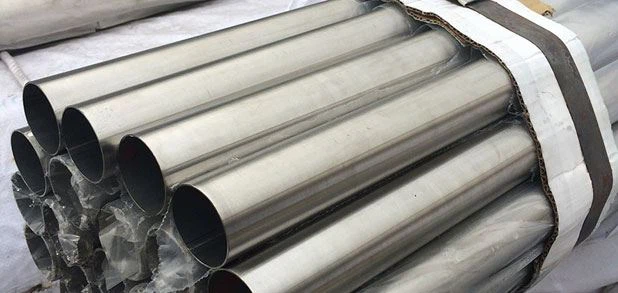
Selecting the right materials for oil and gas operations is about managing heat and corrosion. 321 stainless steel pipes are a common choice for these environments because they handle high temperatures better than standard grades. If you need high temperature piping solutions, choose this grade. It is an austenitic steel that stays stable even when the heat goes up. The oil and gas industry has equipment that runs 24/7 in harsh conditions. In such conditions, using a material that does not degrade quickly is a practical necessity.
These pipes are about maintaining structural integrity over long periods. Engineers choose them because they reduce the risk of failure in time-sensitive systems. This post will look at what these pipes are, why they work so well in refineries and plants, and where they are typically installed.
What Are 321 Stainless Steel Pipes?
321 stainless steel is a variation of the 304 grade with titanium addition. It is a titanium-stabilised austenitic stainless steel. This element stops chromium carbide precipitation. This usually happens when the steel is exposed to temperatures between 427°C and 816°C. When that precipitation occurs, the steel becomes vulnerable to corrosion along the grain boundaries. The titanium in 321 reacts with the carbon instead, which keeps the chromium where it belongs and keeps the metal strong.
The most common standard you will see for these pipes is ASTM A312. It covers seamless, straight-seam welded, and heavily cold-worked welded austenitic stainless steel pipe made for high-temperature and general corrosive service. Because of this stabilisation, 321 is the preferred choice for environments where the temperature stays consistently high or where the metal needs to be welded without annealing.
Key Benefits of 321 Stainless Steel Pipes
There are several reasons why this grade is used. It is decided on the basis of the metal’s behaviour under stress and heat.
- Excellent high-temperature resistance: Most metals degrade as they get hotter. 321 maintains its mechanical properties at temperatures of more than 400°C. It handles continuous exposure to heat without warping or cracking.
- Resistance to intergranular corrosion: As mentioned, the titanium stabilisation is the big benefit here. In other steels, welding can create weak spots where corrosion starts. In 321, the titanium binds with the carbon to keep the area around the welds as corrosion-resistant as the rest of the pipe.
- Good mechanical strength: It has higher creep and stress rupture properties compared to 304. This is important in piping systems where the internal pressure is high, and the temperature is also elevated.
- Oxidation resistance: It resists scaling up to 815°C. In oil and gas, where pipes are often exposed to oxygen and high heat simultaneously, this prevents the pipe walls from thinning out over time.
- Long service life: Because it handles the sensitisation range (the temperature zone where other steels fail) so well, these pipes tend to last a lot longer in exhaust systems and heat exchangers.
- Suitable for harsh environments: It holds up well against various organic and inorganic chemicals found in oil processing.
Why Used in Oil & Gas Industry
The oil and gas industry is difficult on equipment. You have a combination of extreme temperatures and very high pressures. Many processes, like thermal cracking or refining, require pipes to move fluids that are very hot. If a pipe fails, it is a safety and environmental hazard.
Corrosive environments are another factor. The gases and chemicals involved in refining can eat through standard carbon steel or even some lower grades of stainless steel quite quickly. 321 pipes are used because they offer a balance. They are tough enough to handle the pressure and chemically stable enough to handle the corrosive elements. They provide a level of reliability that is needed when you are running a refinery or an offshore platform where maintenance is difficult and expensive.
Applications in Oil & Gas Sector
You will find 321 pipes in several specific areas within the sector.
- Refineries: This is the most common place. Pipes used in distillation units and catalytic cracking units need to handle high heat and chemical stress.
- Petrochemical plants: These plants often deal with high-temperature chemical reactions where 321 is needed to prevent intergranular corrosion.
- Heat exchangers: Pipes in heat exchangers are constantly dealing with thermal cycling (heating up and cooling down). 321 is good at handling this without cracking.
- Boiler systems: In the power generation side of oil and gas facilities, boiler tubes and steam lines often use 321 for its creep resistance.
- Offshore and onshore pipelines: While many main lines use carbon steel, the sections near compressors or processing equipment where heat builds up often switch to 321 stainless.
High Temperature Piping Solutions
When people talk about high temperature piping solutions, they are looking for a material that can withstand high temperatures. Standard 304 stainless is great for many things, but it starts to struggle once you get into the 425°C to 800°C range. At those temperatures, 304 becomes sensitised, meaning it loses its corrosion resistance. 316 is better for marine corrosion, but it still has the same heat limitation as 304.
SS 321 performs much better in high heat because the titanium prevents that loss of corrosion resistance. It allows the pipe to stay in service for years in conditions that would cause other pipes to scale, flake, or eventually burst. This makes it a very practical solution for exhaust manifolds, flare stacks, and any part of a refinery that glows during operation.
Why Choose a Reliable 321 Stainless Steel Pipes Manufacturer
Along with buying the right material, you also have to make sure the pipe was made correctly. A reliable 321 Stainless Steel Pipes manufacturer will follow strict quality standards. This is important because if the titanium-to-carbon ratio is off, the pipe won’t be stabilised properly.
A good manufacturer provides proper certifications, like Mill Test Reports (MTRs), so you know what the metal contains. They also focus on precision manufacturing. In oil and gas, pipes need to fit perfectly. Whether you need seamless pipes for high-pressure lines or welded pipes for larger diameter exhaust systems, the manufacturer should be able to provide custom sizes and specifications. Timely delivery is also a factor. If a plant is down for maintenance, you need the materials on-site exactly when they are promised.
Conclusion
321 stainless steel pipes are a very specific tool for a very specific job. They are built to handle the high-heat zones of the oil and gas industry where other materials would simply give out. By using titanium to stabilise the steel, these pipes offer a way to avoid intergranular corrosion and maintain strength at temperatures up to 816°C.
Whether you are designing a new refinery or replacing old heat exchanger tubes, using ASTM A312 TP321 is often the most cost-effective long-term move. It reduces the need for frequent replacements and keeps the system running safely. If your project involves high temperatures and high pressure, ensure you source your materials from a supplier that understands the technical requirements of the oil and gas sector.